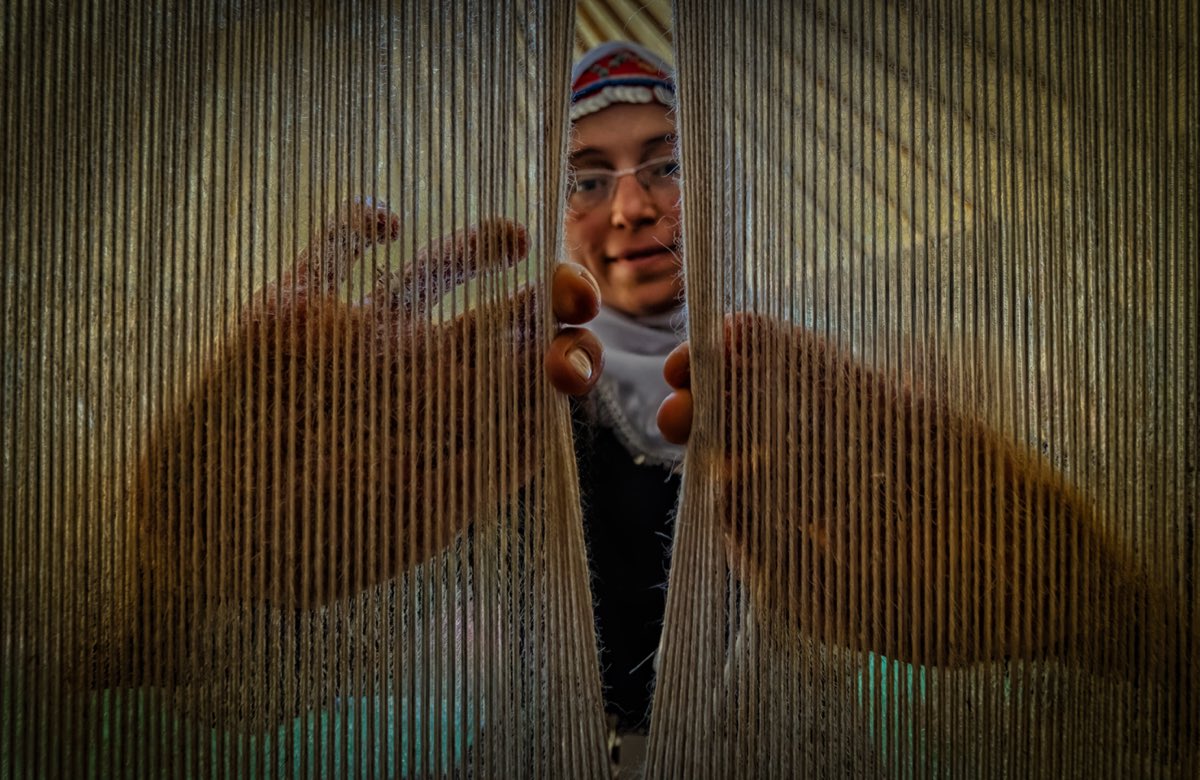
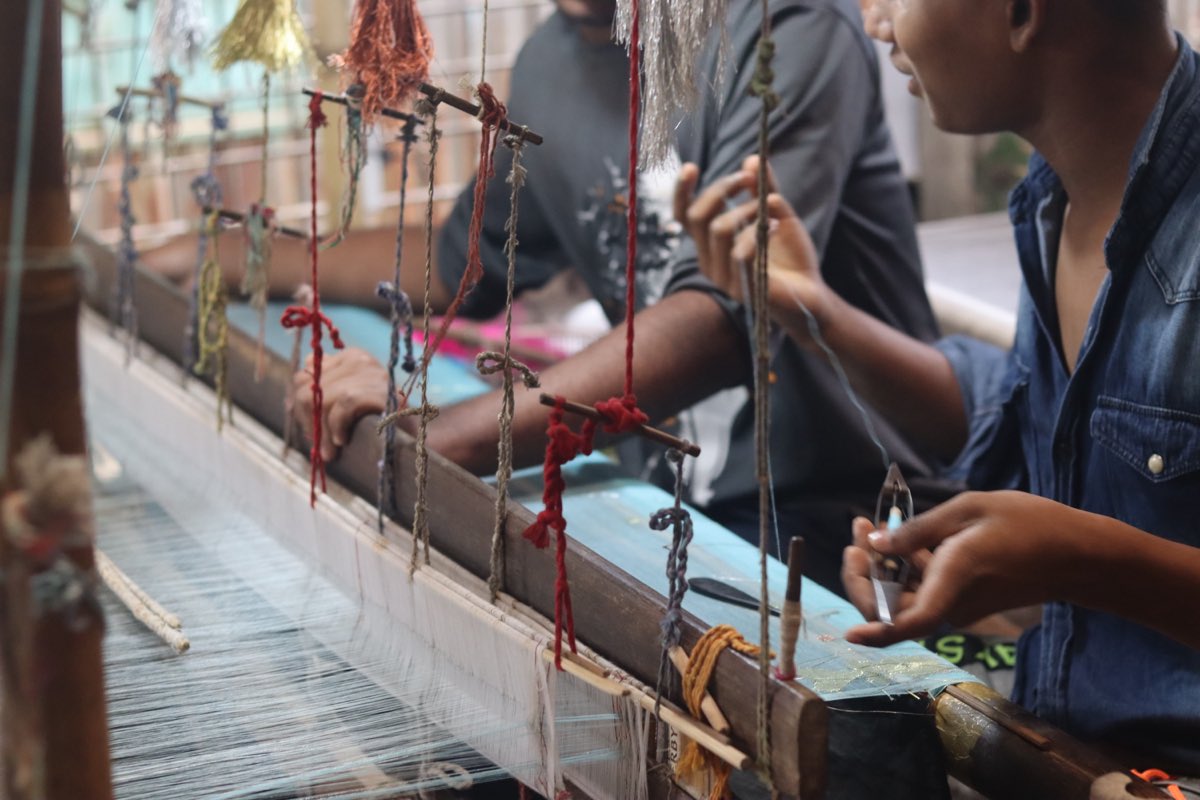
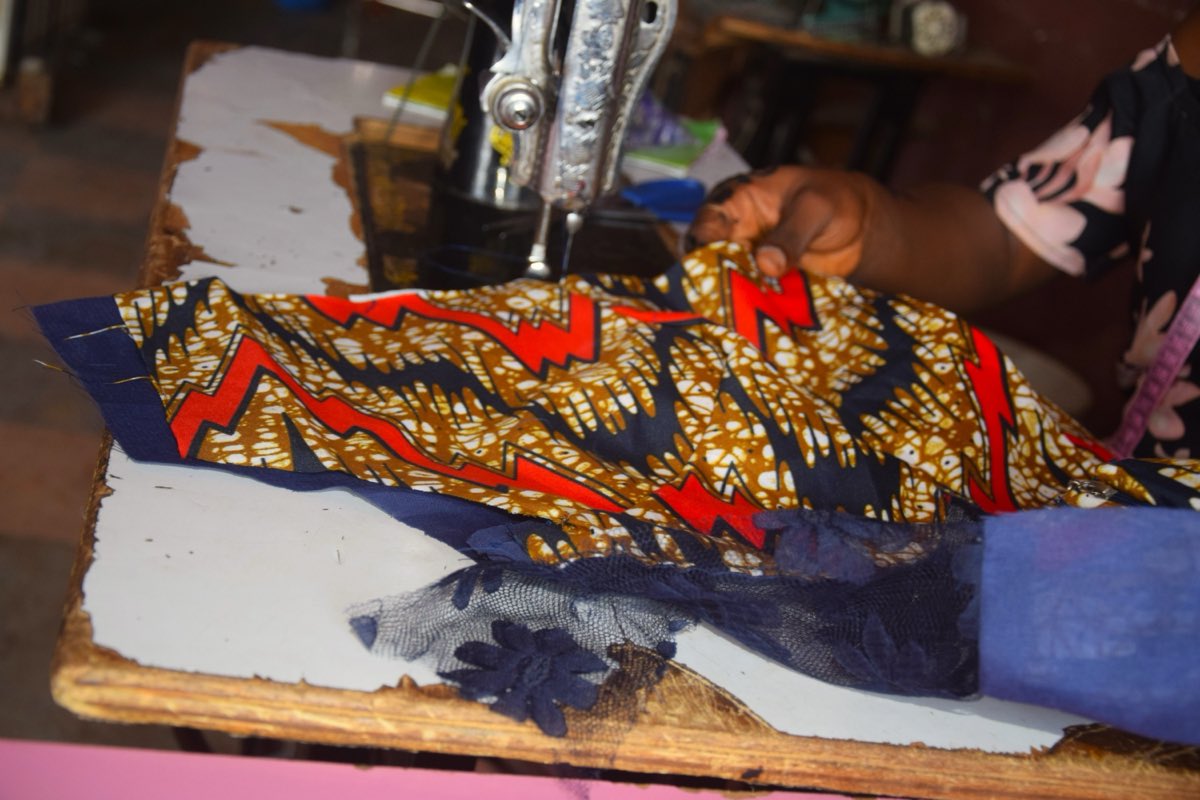
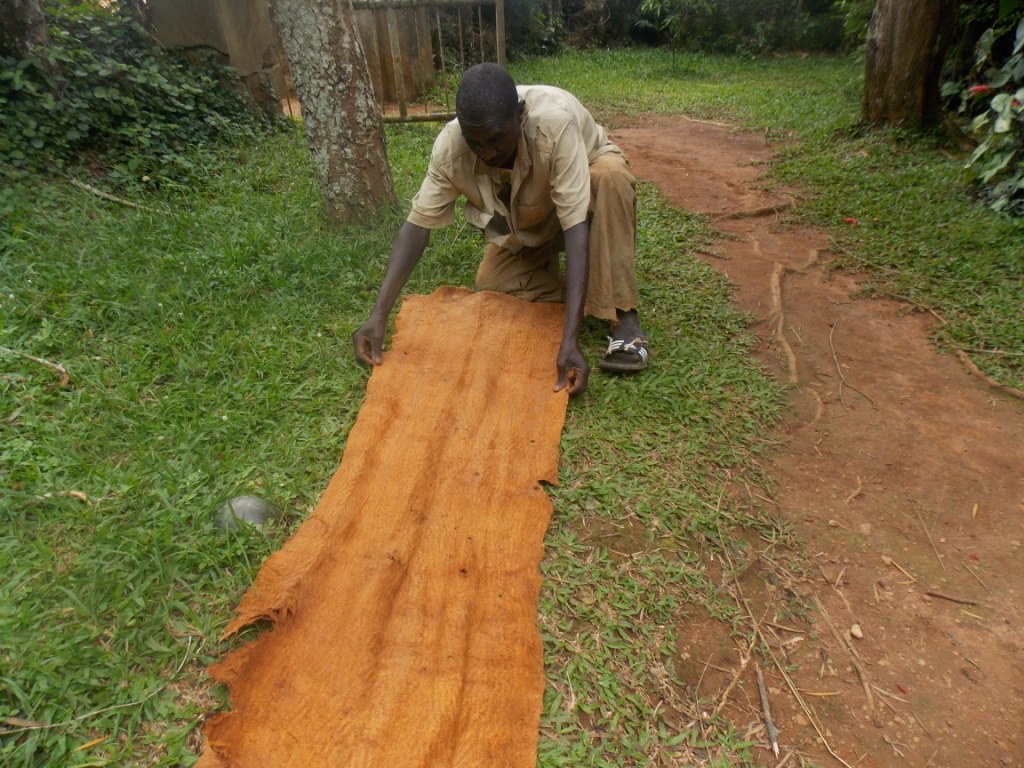
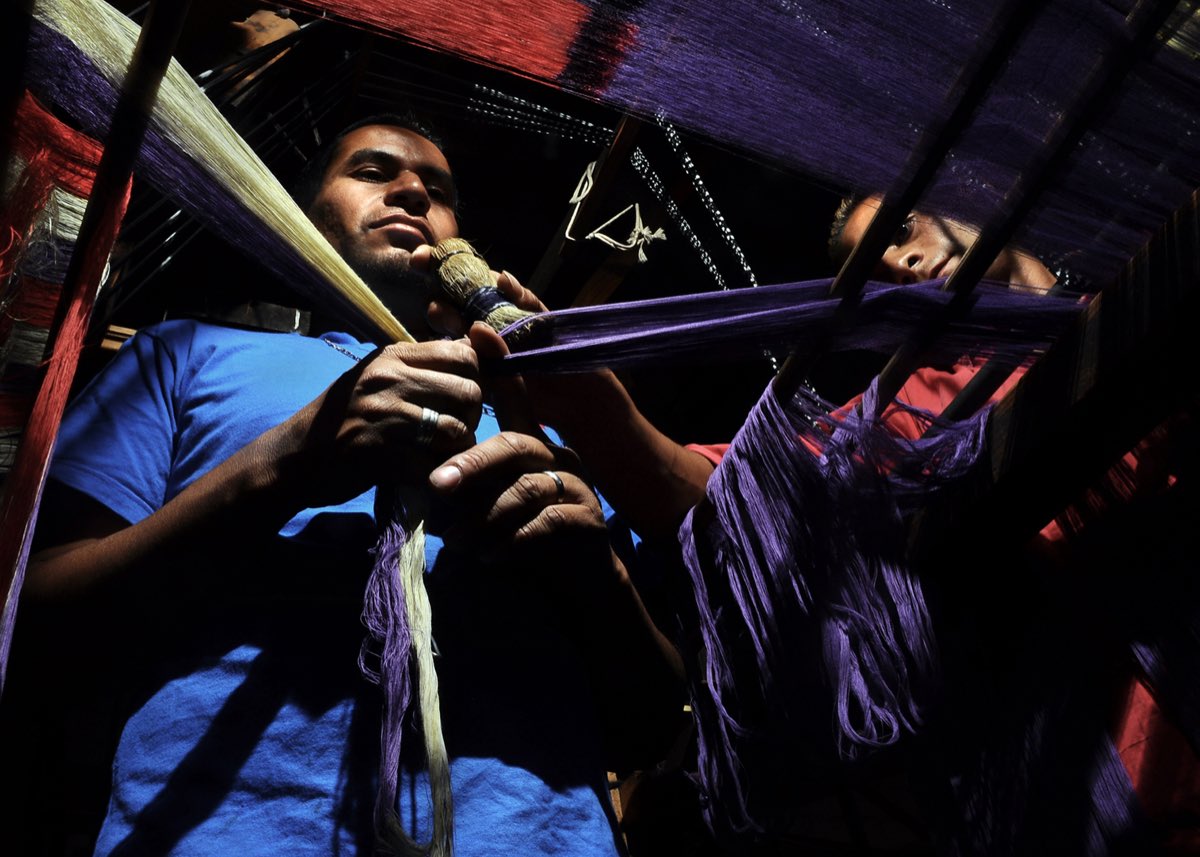
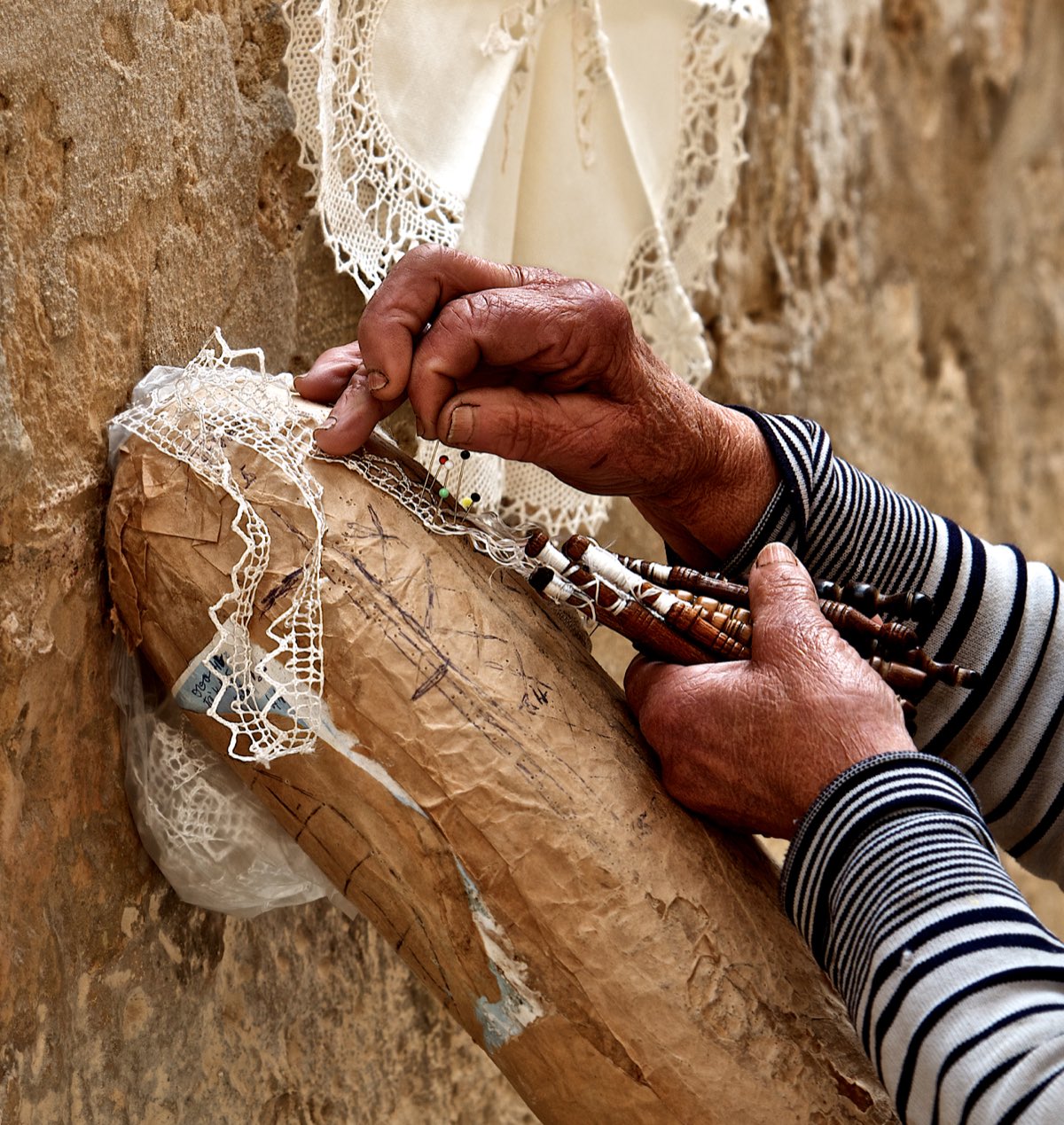
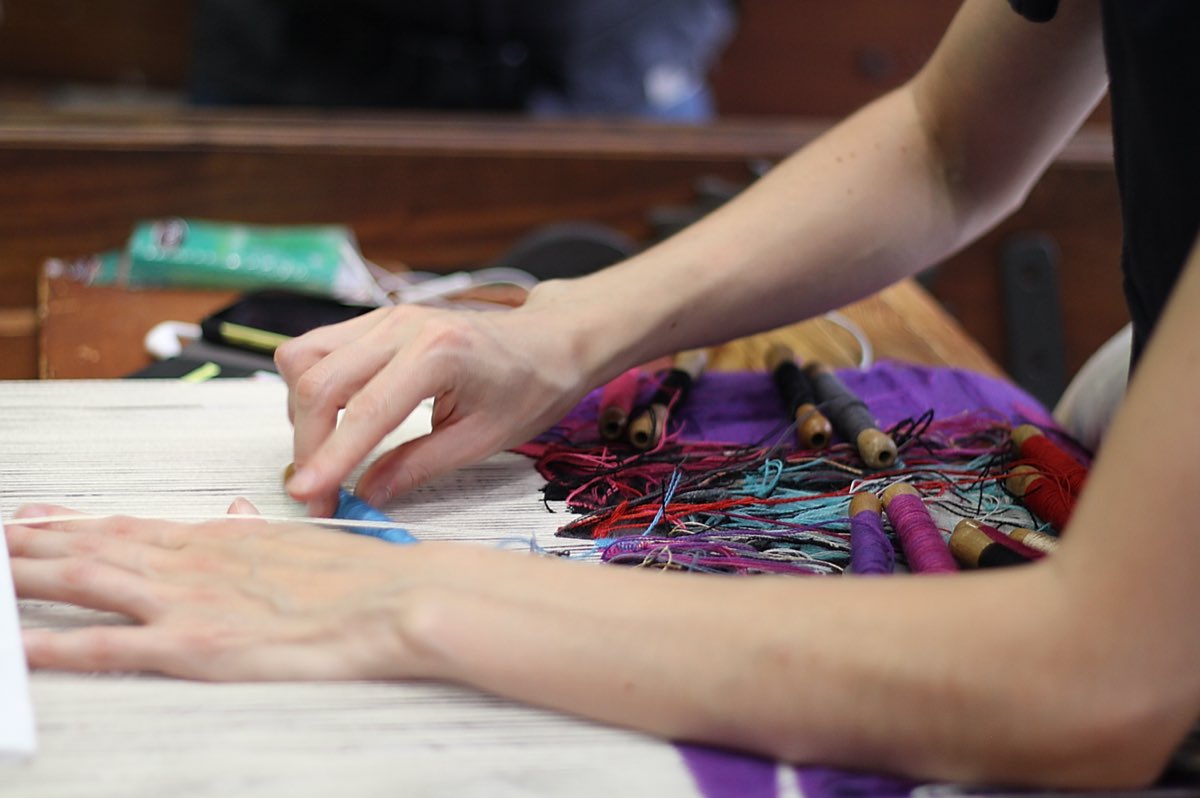
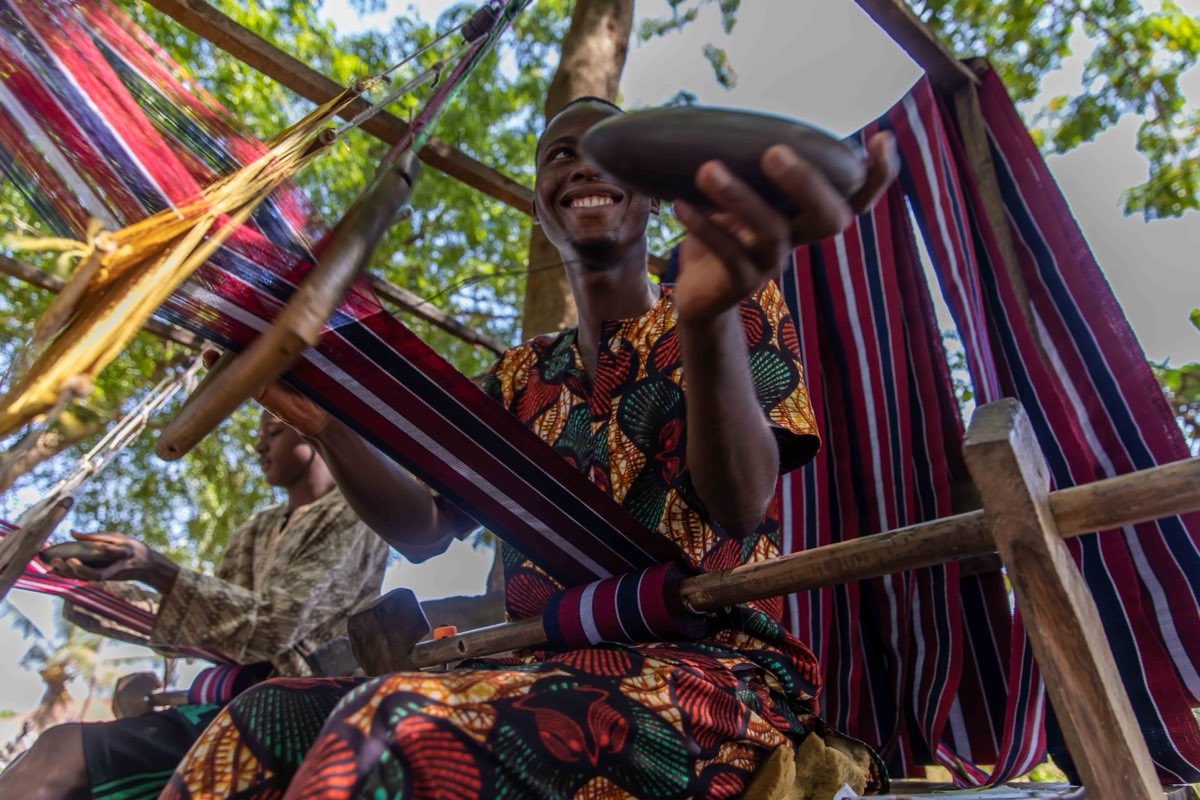
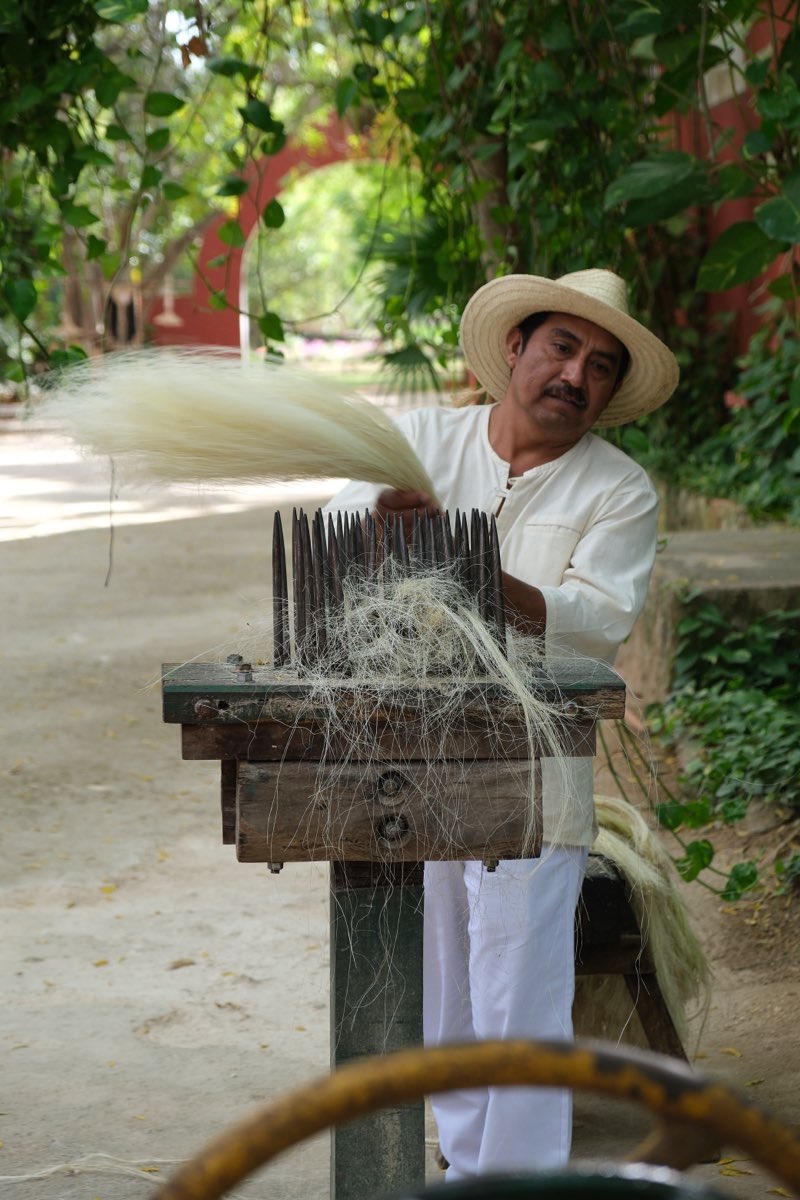
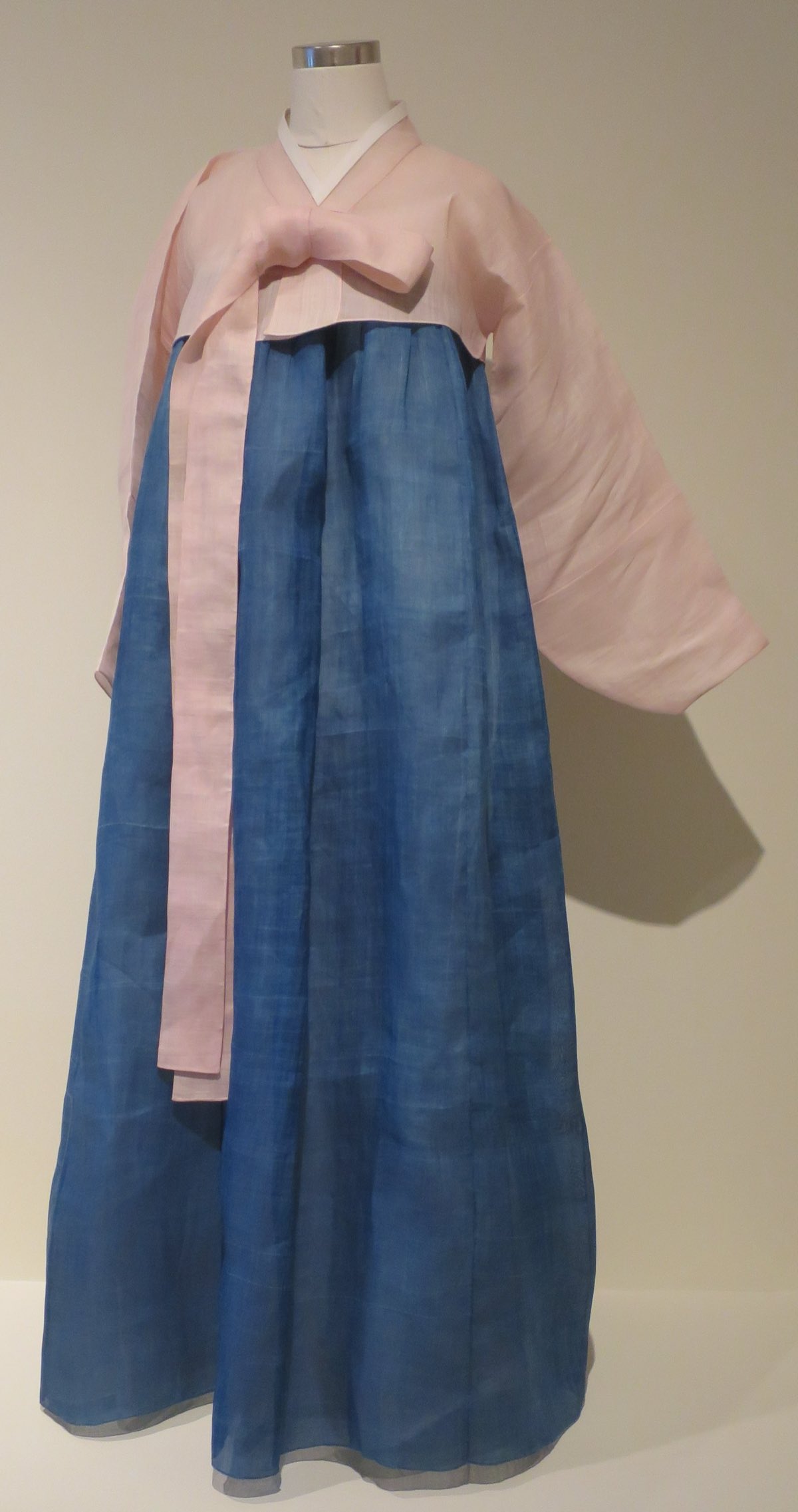
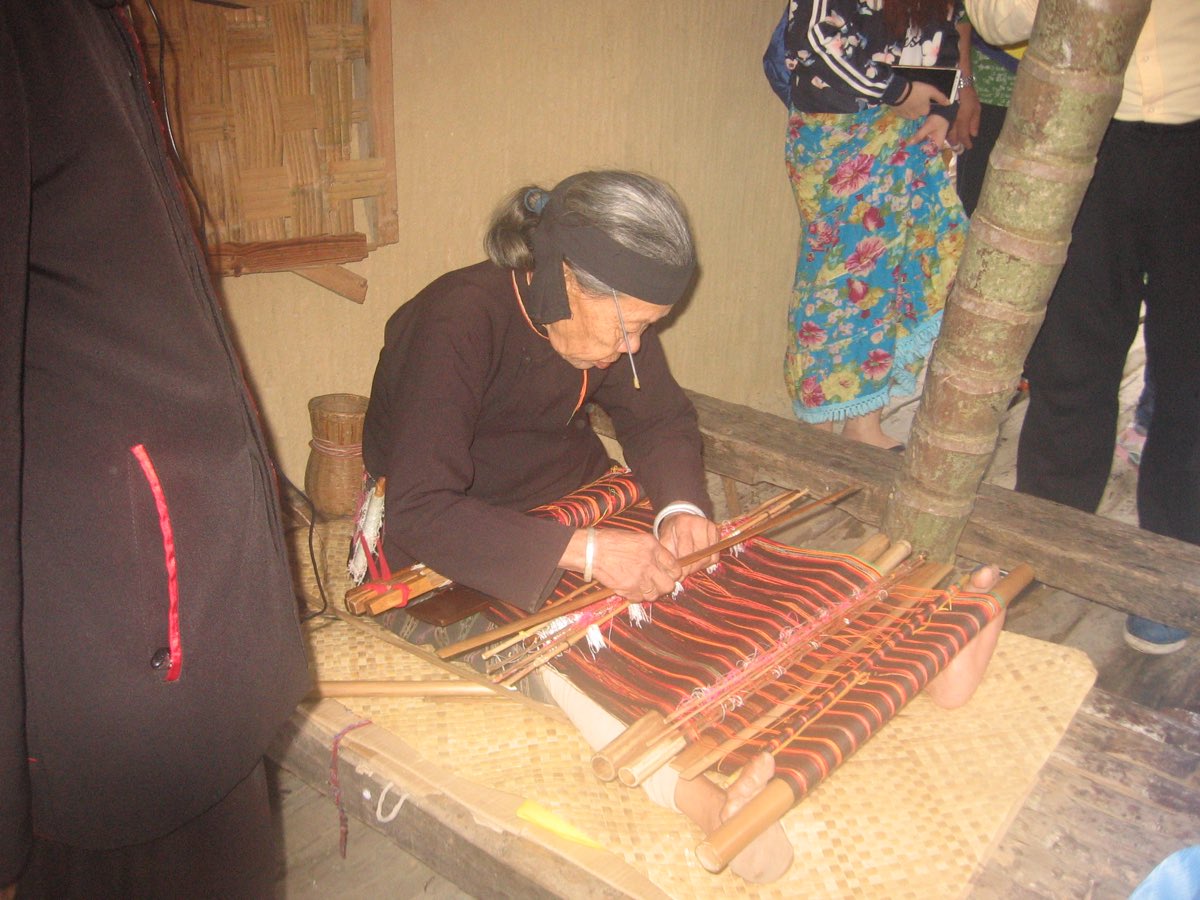
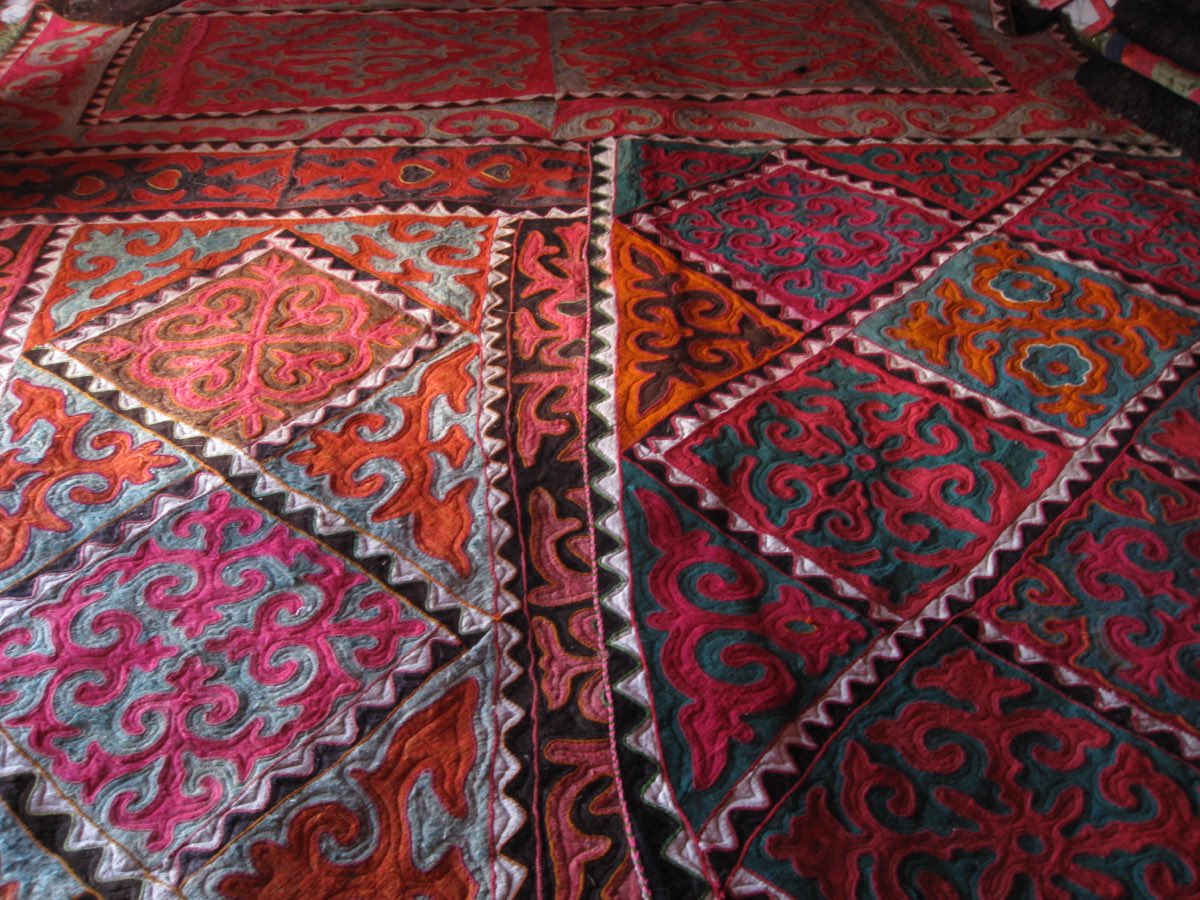
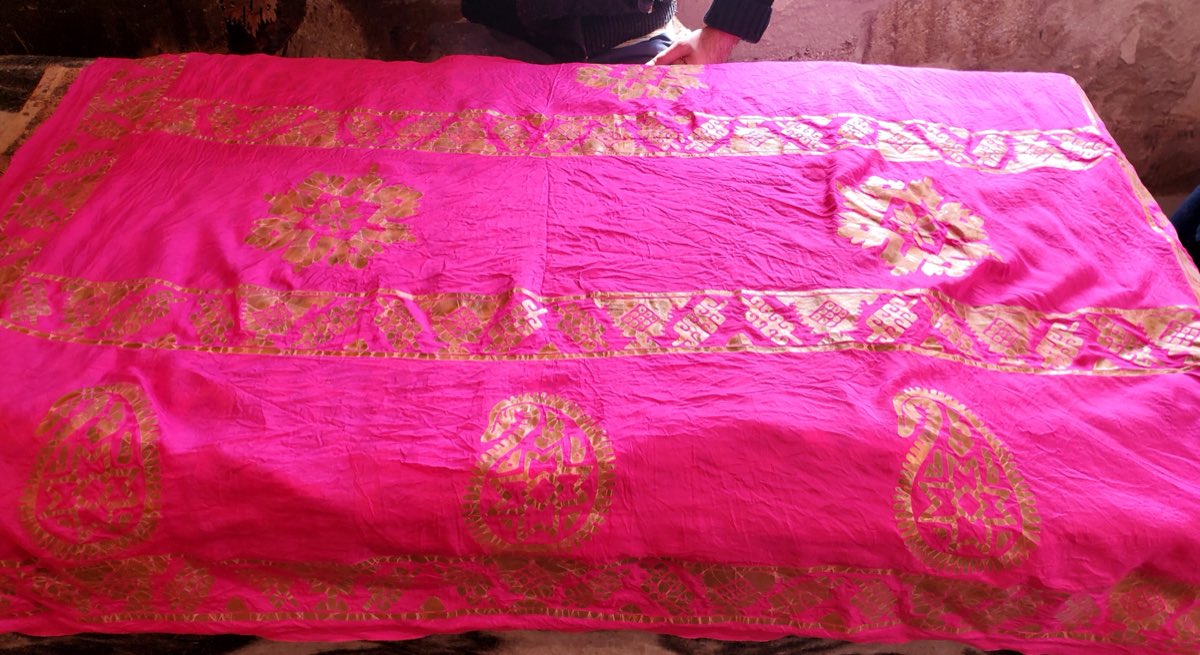
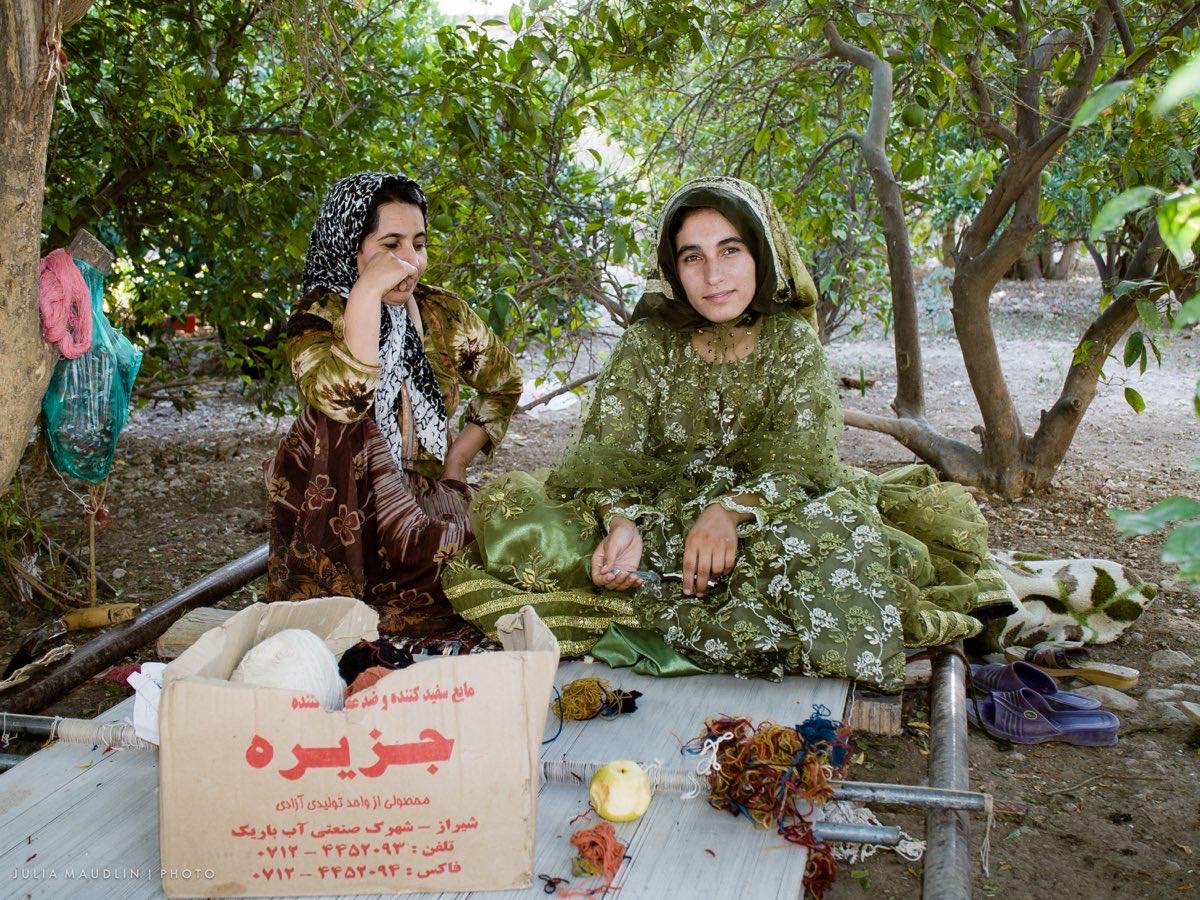
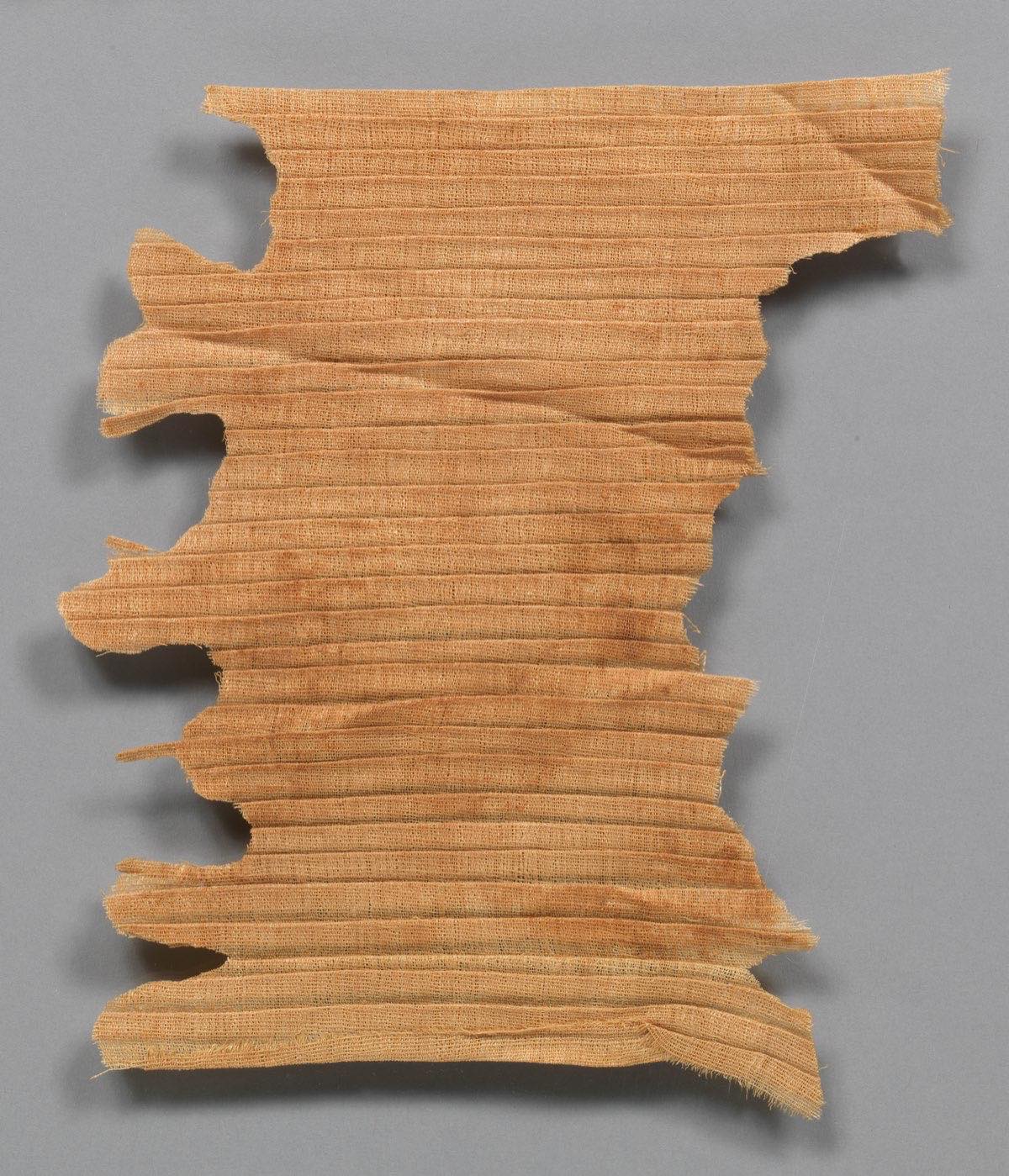
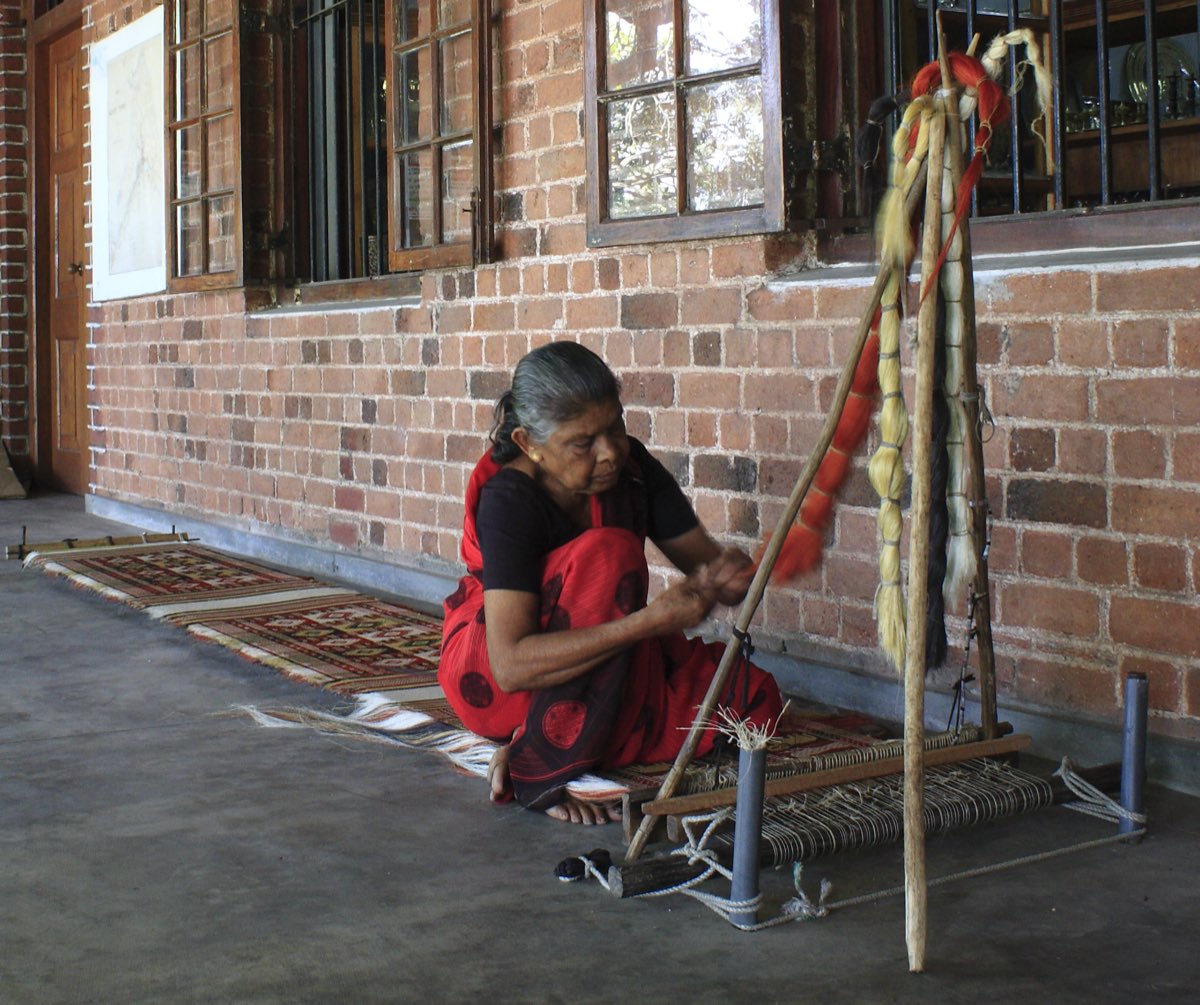
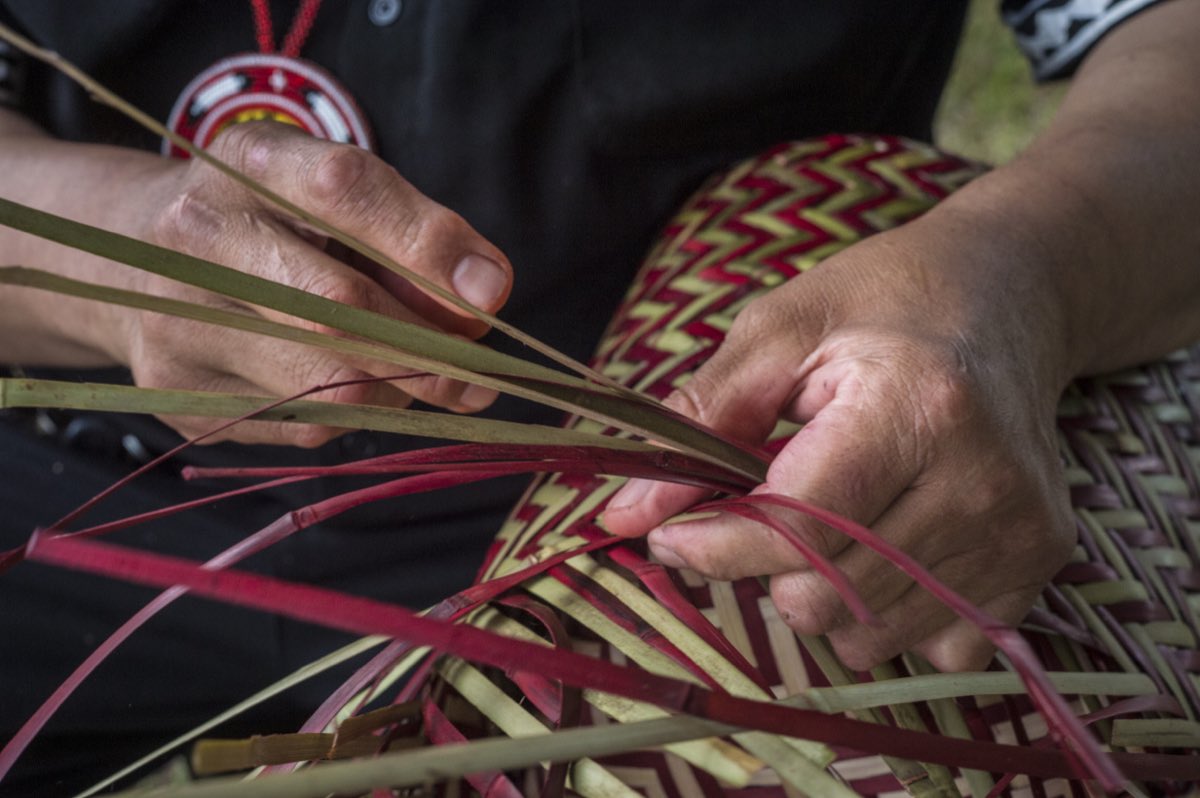
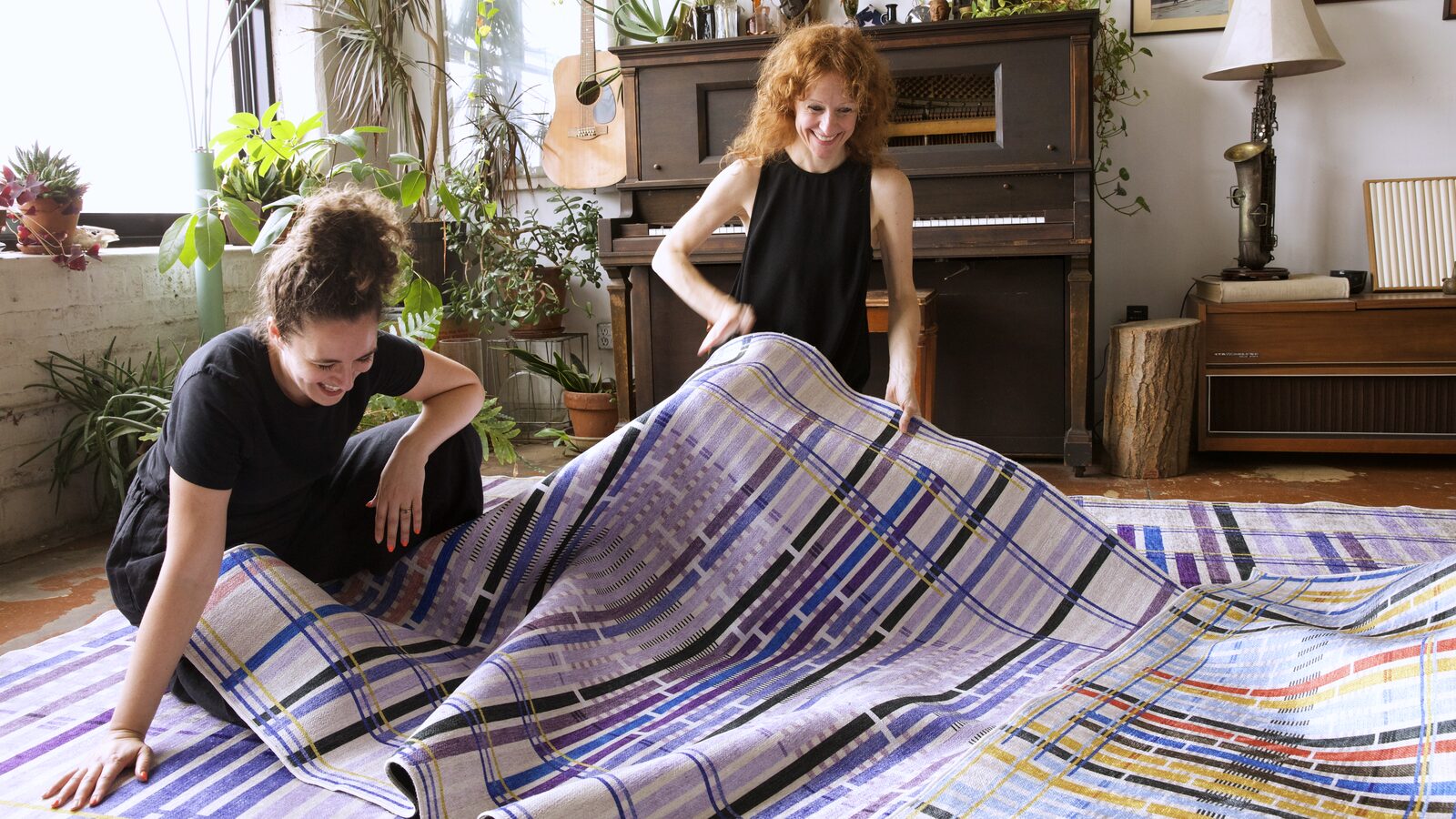
Some of these crafts are almost gone — knowledge passed hand to hand for centuries, now down to a handful of makers. Data artist Giorgia Lupi took 59 of them, drawn from UNESCO's record of endangered heritage, and wove each into a thread of color you can read — so the stories live somewhere you'll see them every day.
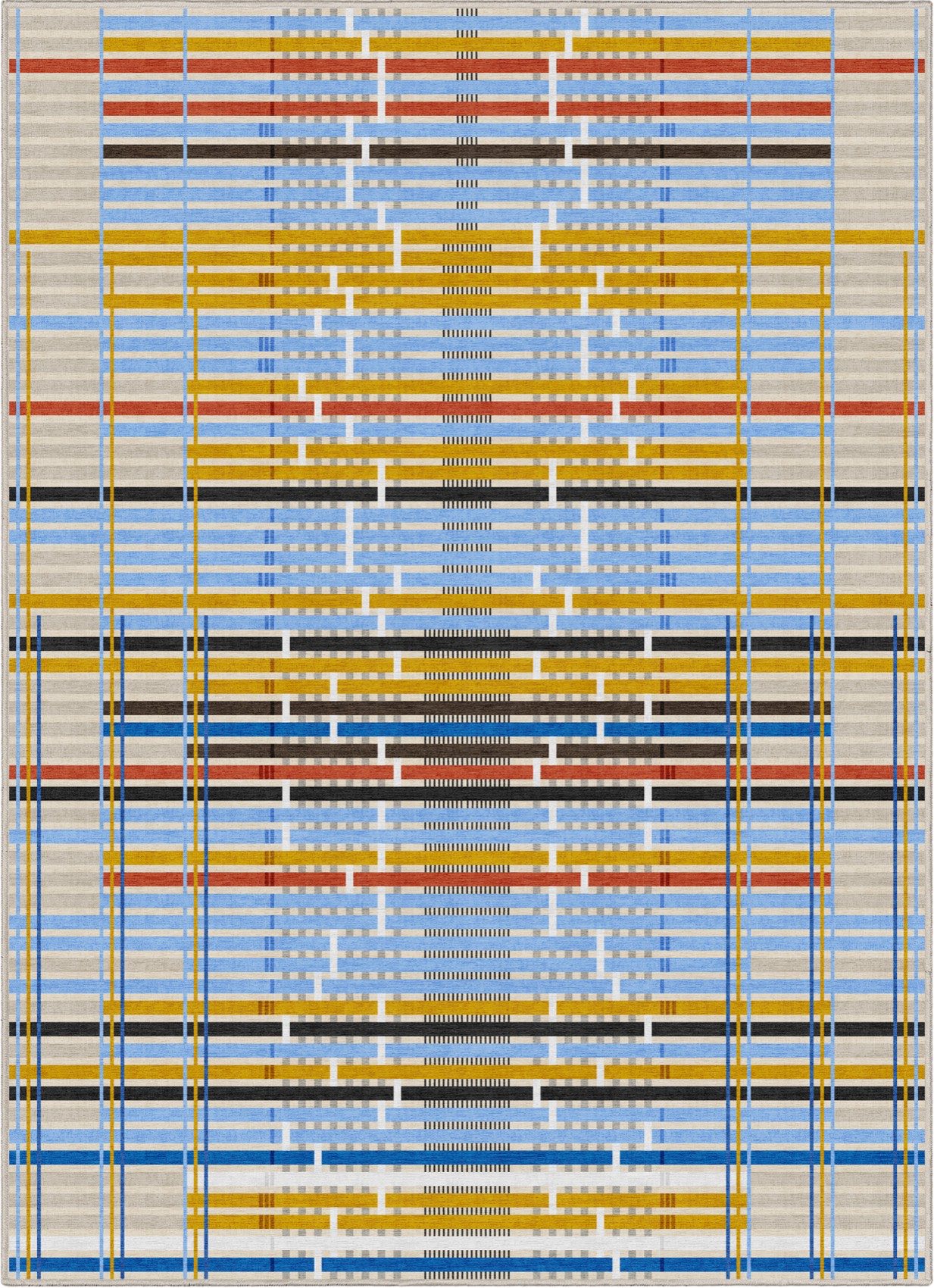
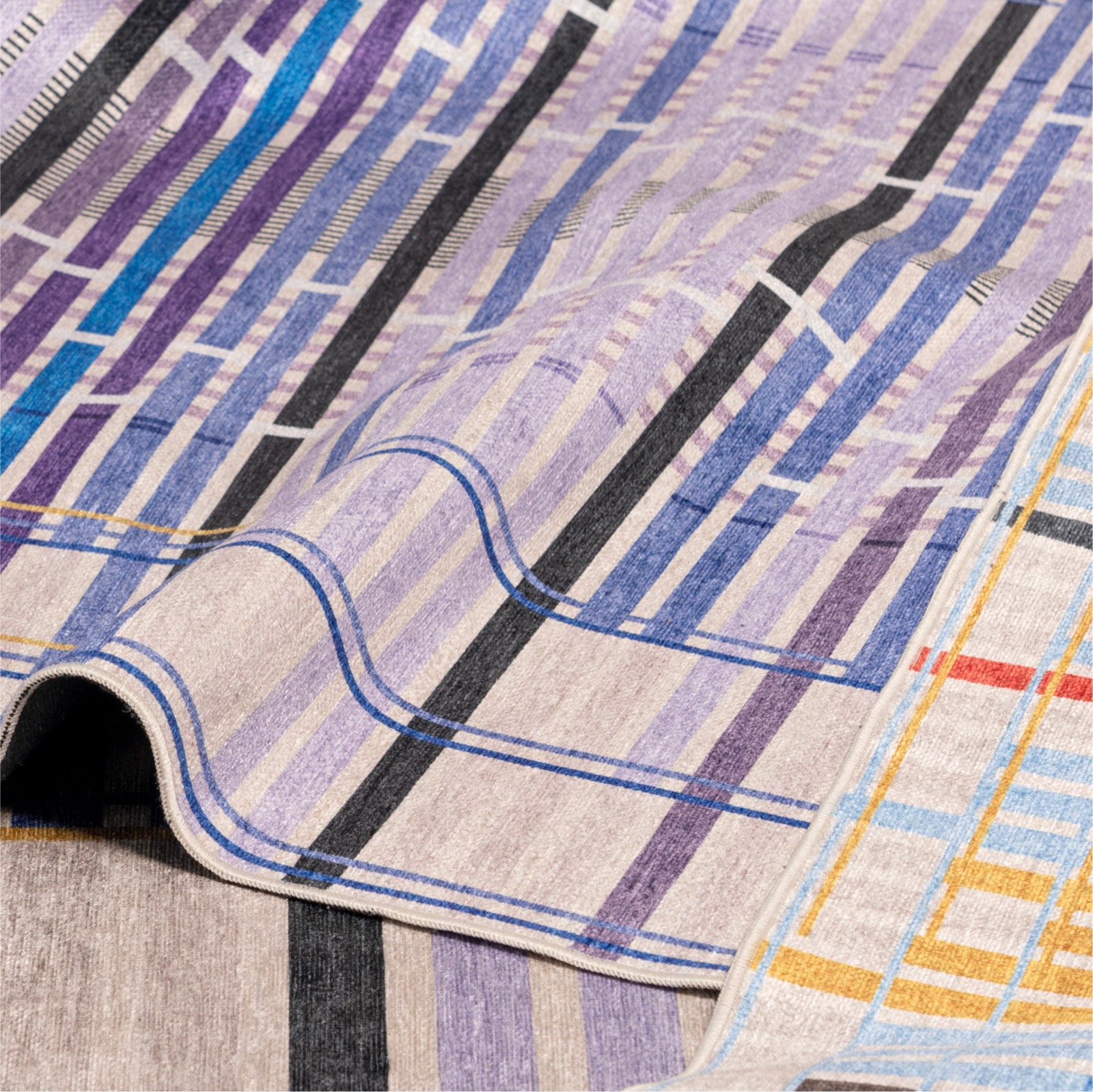
The pattern is the data — 59 endangered crafts, woven into one rug.
endangered crafts
59
Every band on the rug is one of them — a real technique at risk of being lost.
continents
6
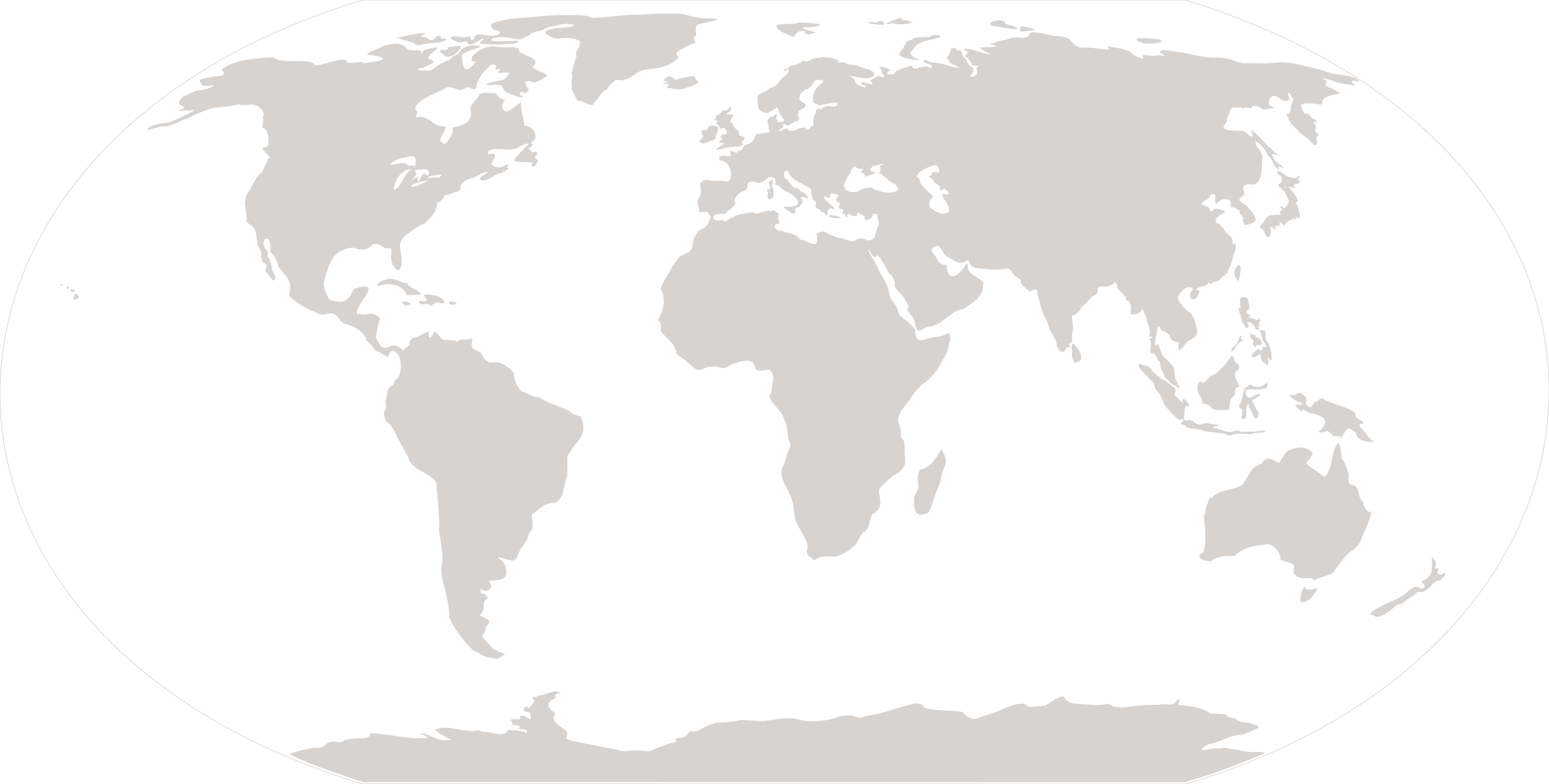
From the Andes to Okinawa — traditions from almost every corner of the world.
intangible heritage
UNESCO
The UN's living archive of crafts, skills, and traditions in danger of disappearing.
colorways · multiple sizes
2
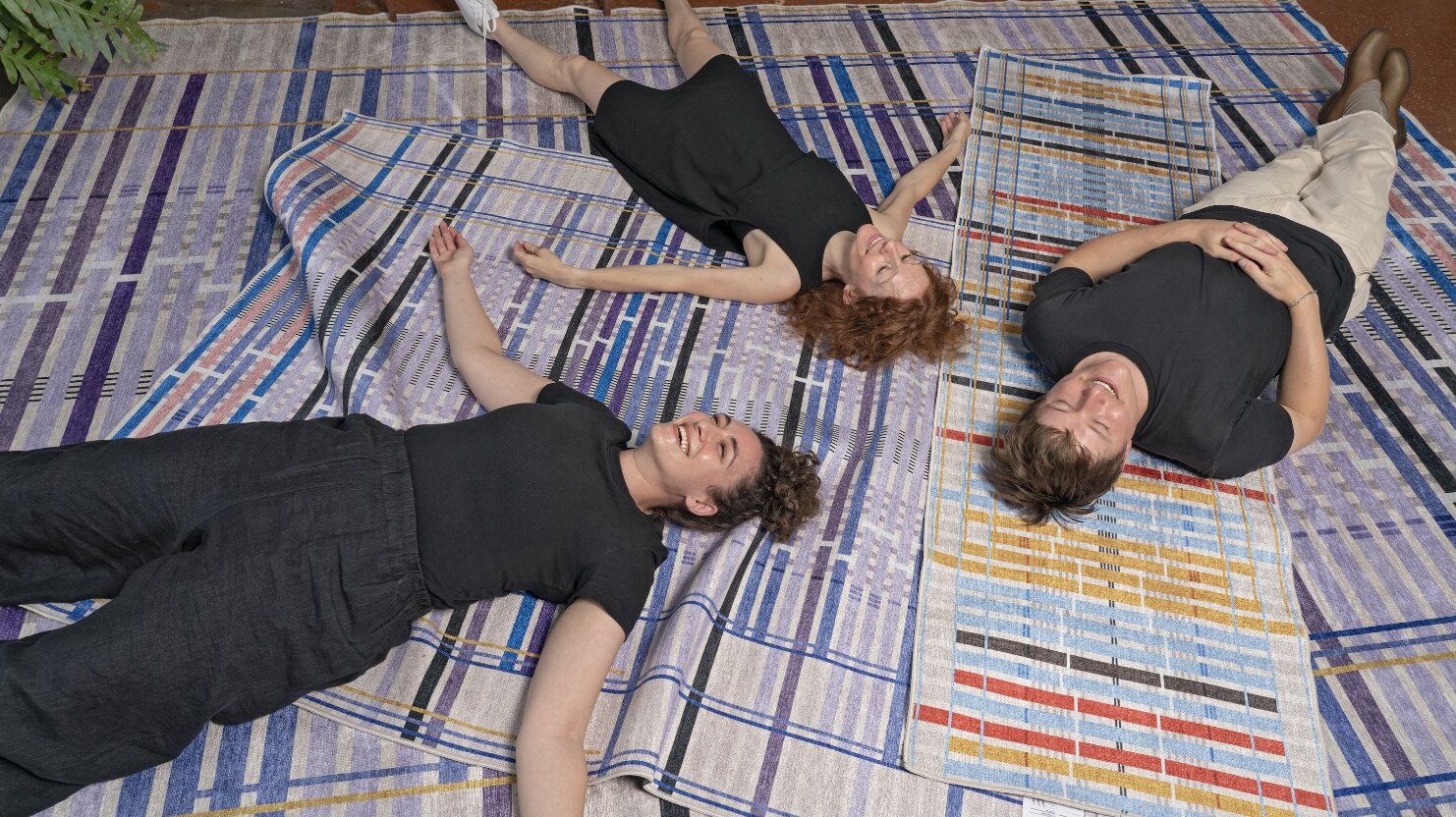
Multi (bright) and Lavender (quiet) — same data, two moods, in a range of sizes.
Some things shouldn't disappear quietly.
Every year the world loses a few more of the crafts it took centuries to learn — a way of weaving, a way of dyeing, a knot known to only a handful of hands. War, migration, a changing climate, the rush of mass production: the reasons differ, but the ending is the same. Most of these traditions will never reach a museum. Most of us will never even hear their names.
Well Woven makes rugs for real life. We don't think a rug has to only cover a floor; it can also keep something. So when data artist Giorgia Lupi came to talk with us about her work, a bigger idea took shape: weave the crafts the world is losing into something a family actually lives on — so the stories stay in the room, out in the open, every day.
That's what Unraveling Stories is. Not a pattern — a small act of remembering, in a thing you can walk on.
“These rugs are not just decorative pieces, but pieces of history to own.”
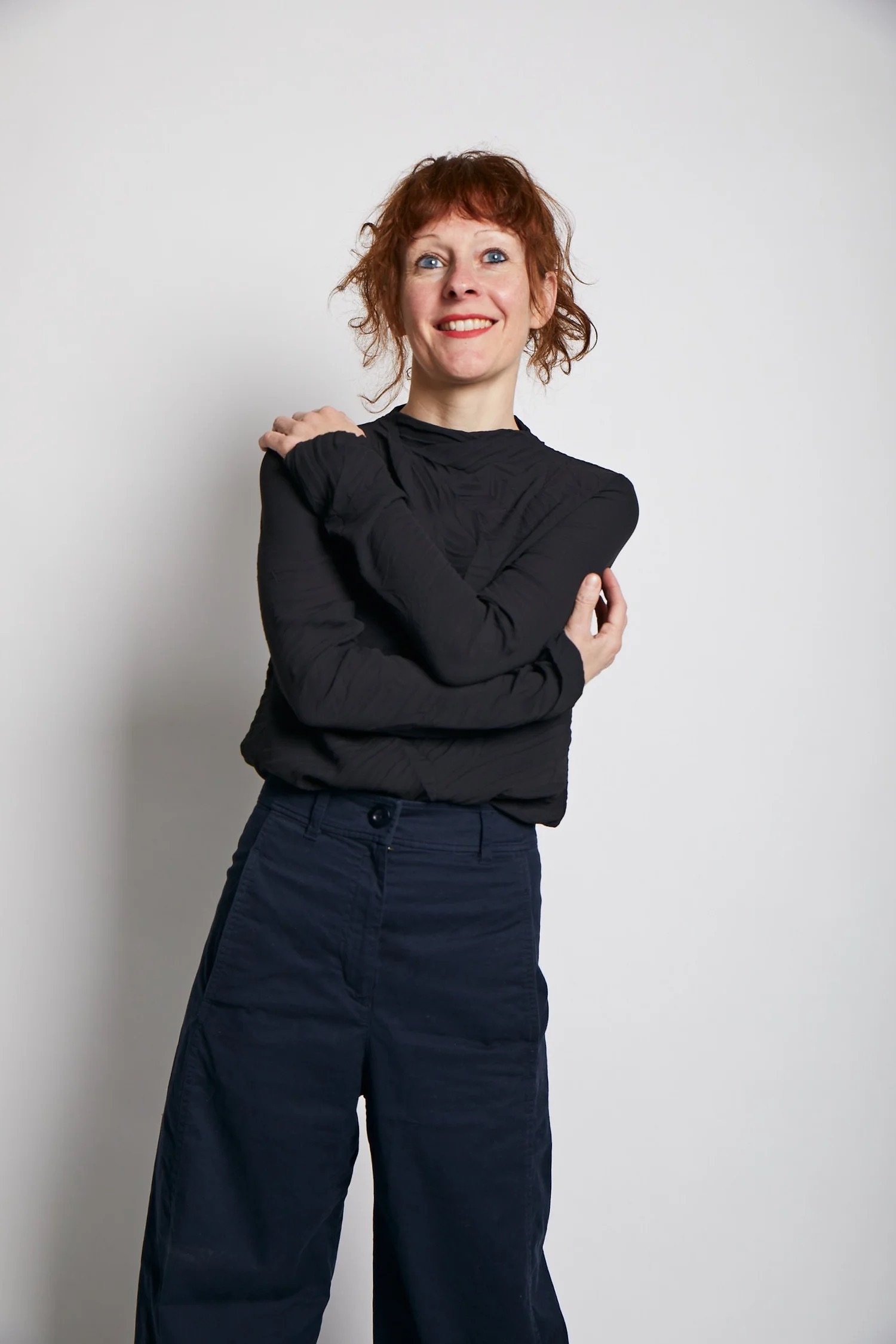
Giorgia Lupi turns numbers into things you can feel. Where most of us see a spreadsheet, she sees people — and a way to draw them. She calls it data humanism: data is never just figures on a screen, but a language for the human stories underneath. Unraveling Stories is one of those stories, drawn in thread.
What drives me is the space between logic and beauty.
— Giorgia Lupi
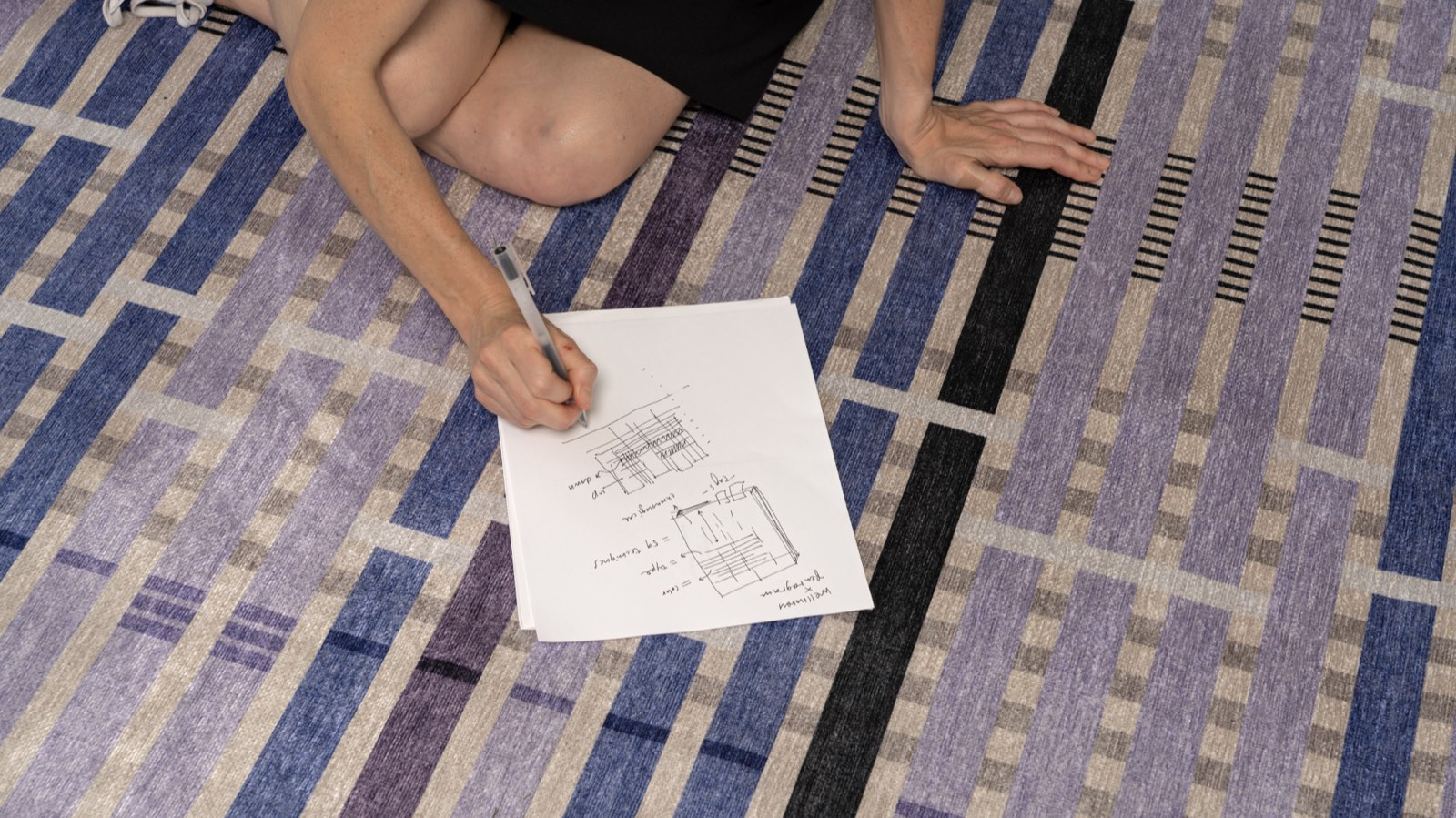
Brought to life with her Pentagram design team — Ed Ryan, Phillip Cox, and Madeleine Garner.
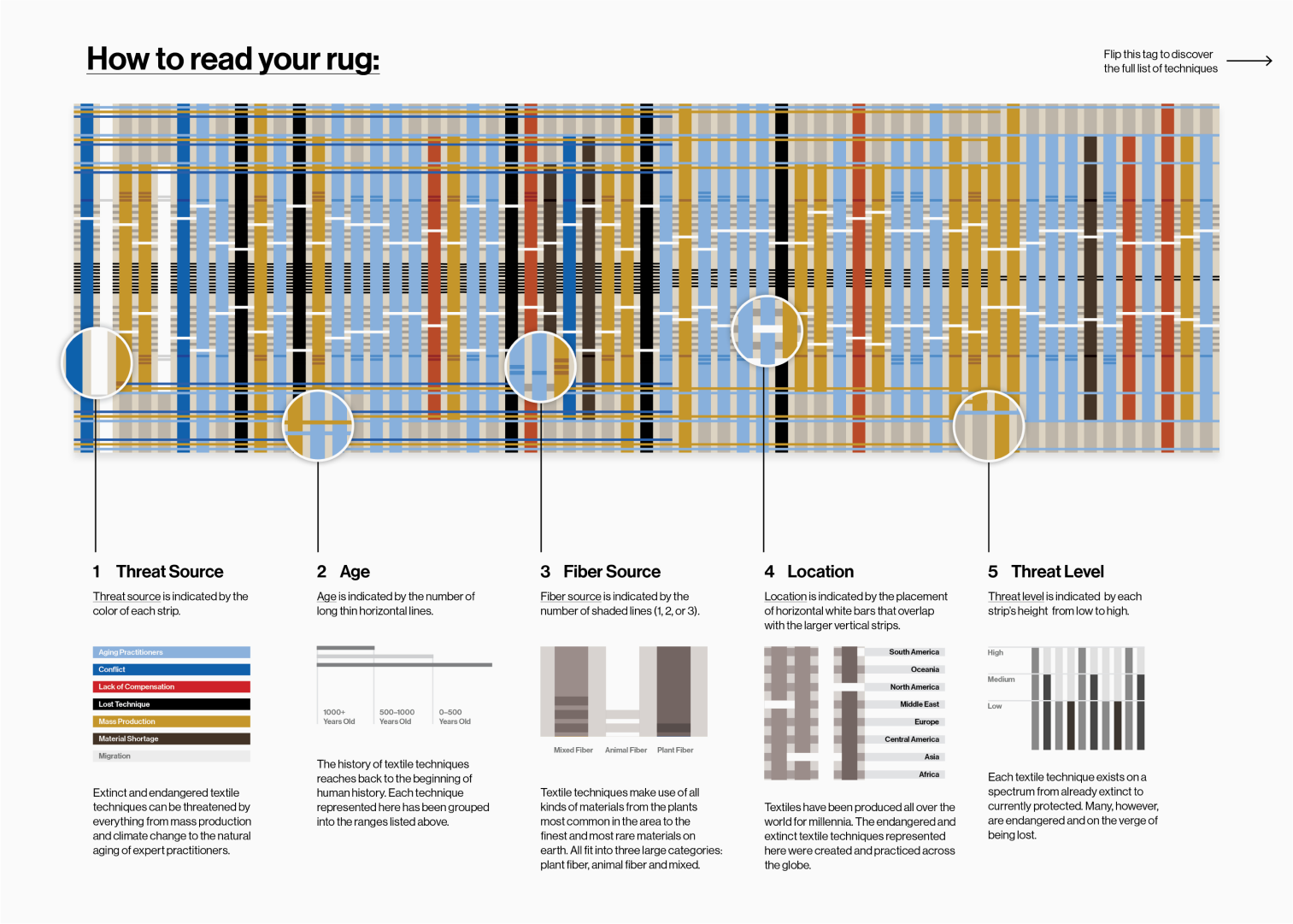
Every band is a craft. Here's how to read the rug.
Nothing here is decoration. Every band stands for one real craft, and everything about it means something — its color, its reach, its lines. Trace the rug band by band and meet them all.
Drag the rail on the rug — or swipe the stories belowRun your cursor down the rug — rest on a band to read it
59 techniques · aligned to the printed key · Multi colorway
↕
Drag the rail to explore
59 stories, one weave
Every horizontal band on the rug stands for one endangered craft. Run your cursor down the rug and rest on a band — or start with one of these.
Three to start with
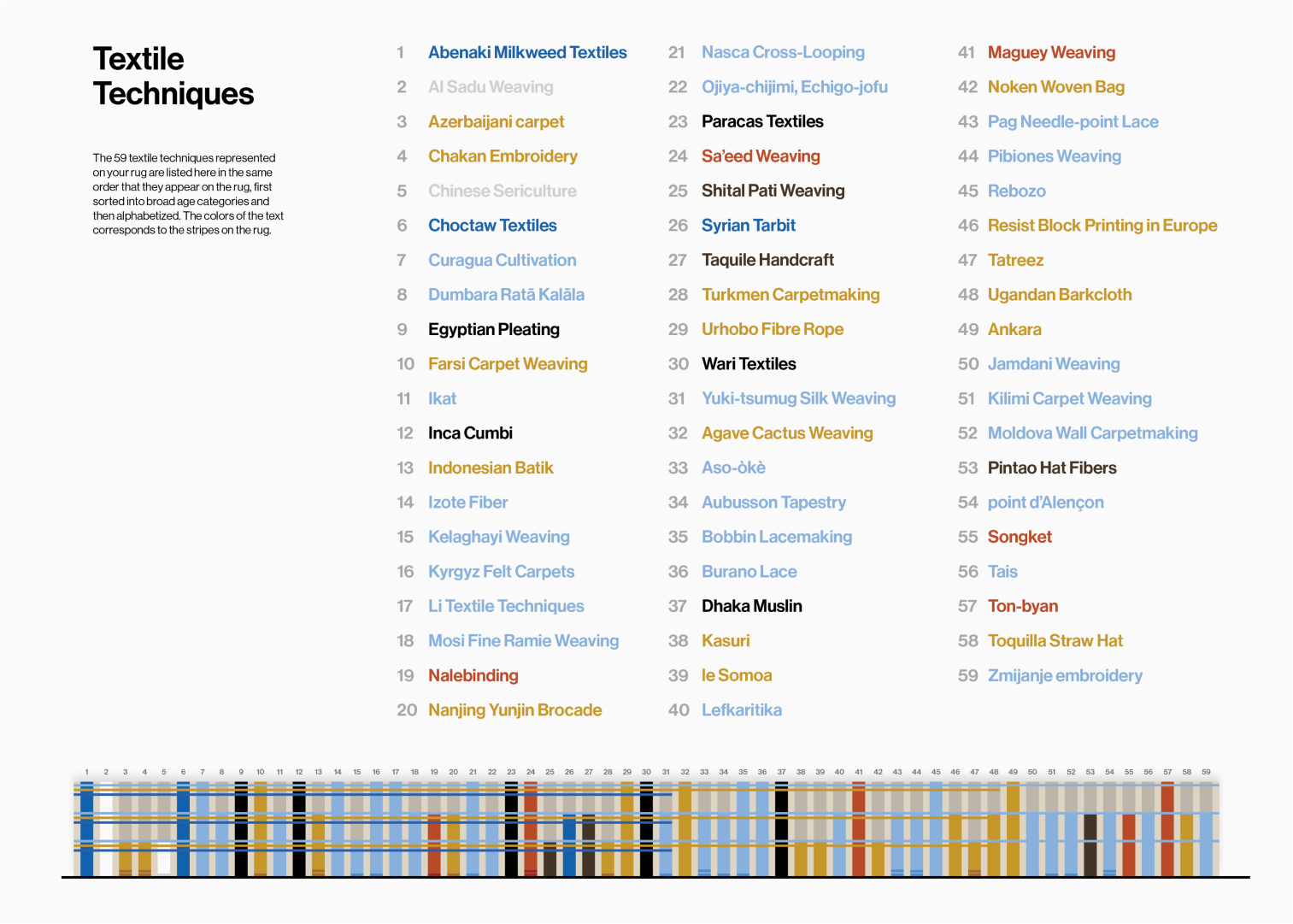
Names, order, threat, and age are read from the rug's printed key, which ships with every rug; origins and fibers are drawn from UNESCO and craft-heritage records. The key also encodes each stripe's reach — its level of threat.
0 of 59 read
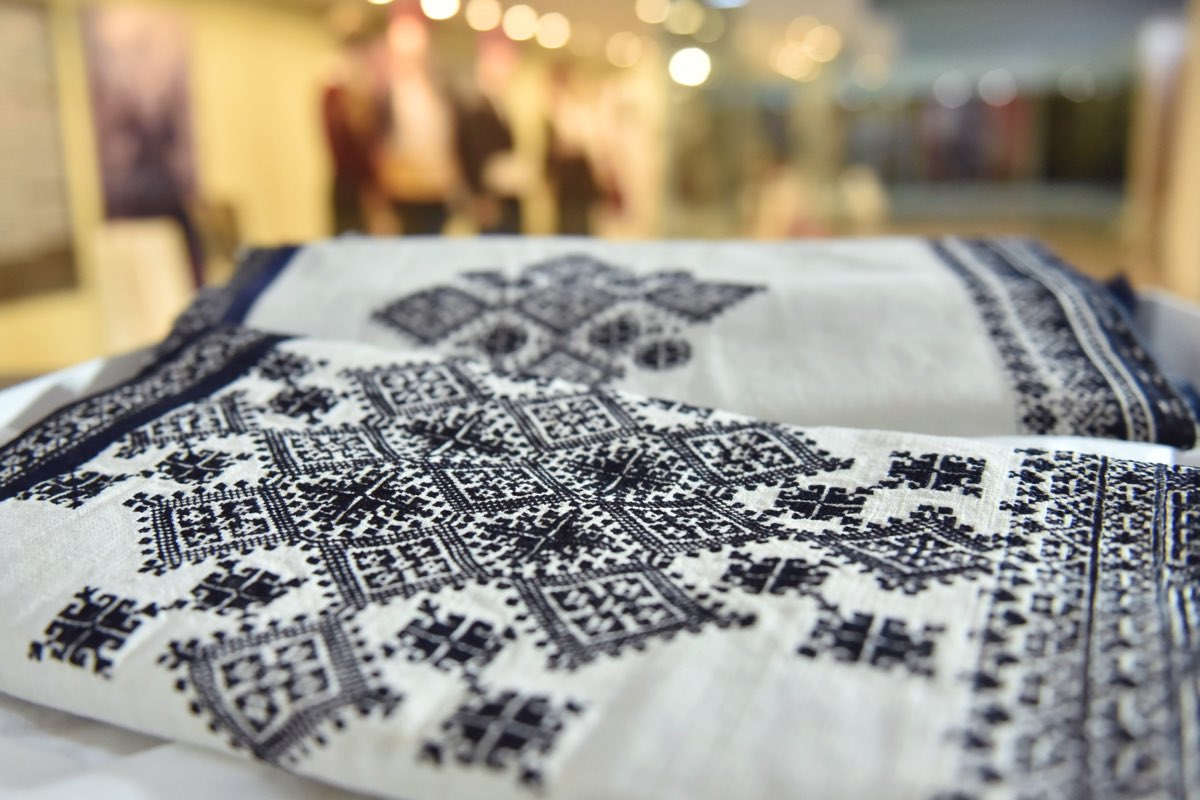
Zmijanje Embroidery
Stripe 59 of 59
The band itself, magnified from the rug.
One shade of deep blue, endless geometry — stitched in wool in the Bosnian highlands.
This light-blue band tells you what threatens it: its makers are growing old, and too few are learning it after them. 24 other bands share this color — and this danger.
Under 500 years old · Bosnia and Herzegovina · Animal fiber
Zmijanje embroidery is a needlework tradition from the villages of the Zmijanje plateau near Banja Luka: women stitch dense geometric patterns in deep indigo-blue wool thread onto white cloth. Each embroiderer improvises her own arrangement of the shared motifs, so no two pieces are alike.
UNESCO inscribed Zmijanje embroidery in 2014; the skill is carried mainly by a small circle of mostly older women, and rural depopulation has thinned the communities that once transmitted it.
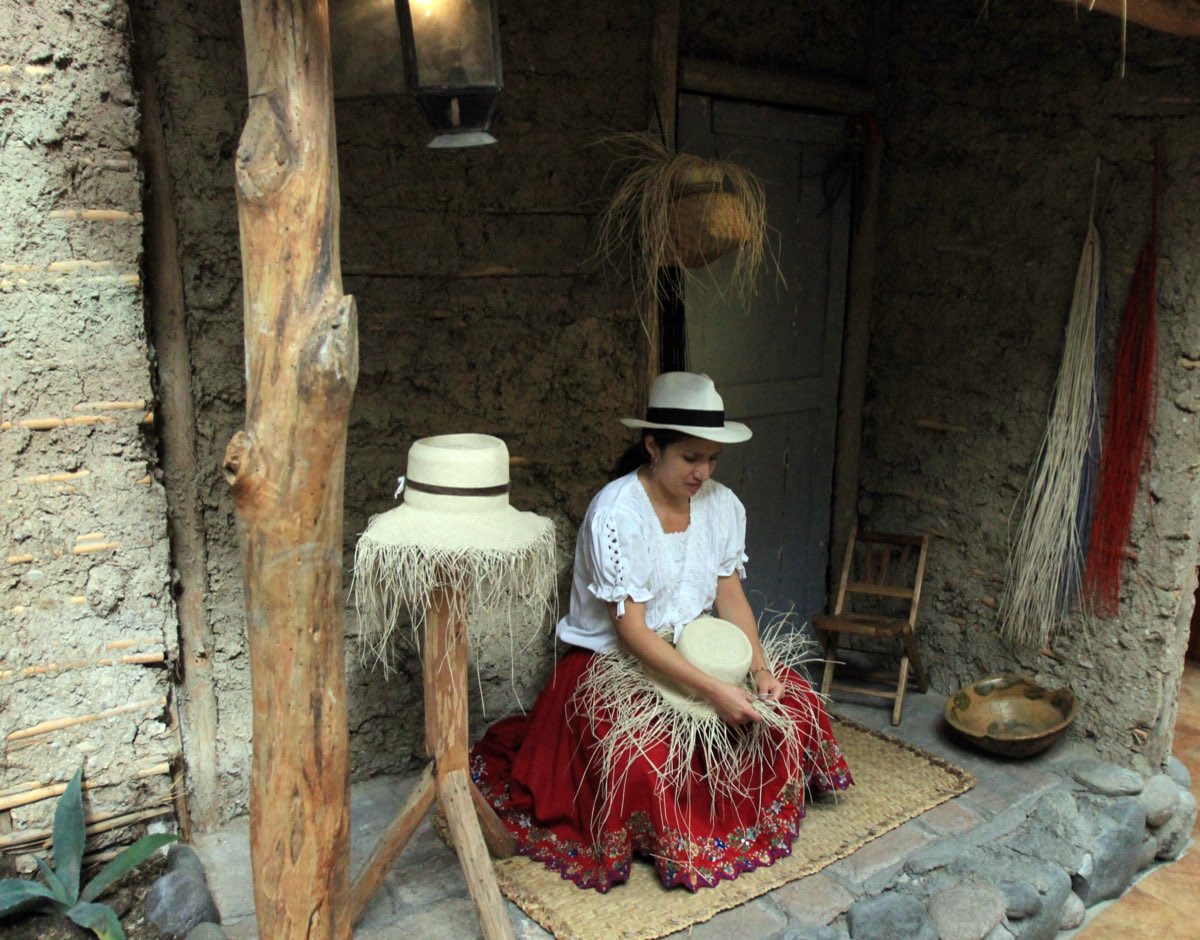
Toquilla Straw Hat
Stripe 58 of 59
The band itself, magnified from the rug.
The 'Panama' hat is Ecuadorian — its finest weaves take months to complete.
This gold band tells you what threatens it: the factory version is crowding it out. 15 other bands share this color — and this danger.
Weavers on Ecuador's coast and in its Andean highlands split leaves of the toquilla palm into strands as fine as thread and weave them, row by patient row, into the light, ivory hats the world misnames “Panama hats.” The finest, from Montecristi, can take a single weaver months.
UNESCO inscribed toquilla weaving in 2012; most master weavers are elderly, and low pay alongside machine-made imitations draws few young people into the craft.
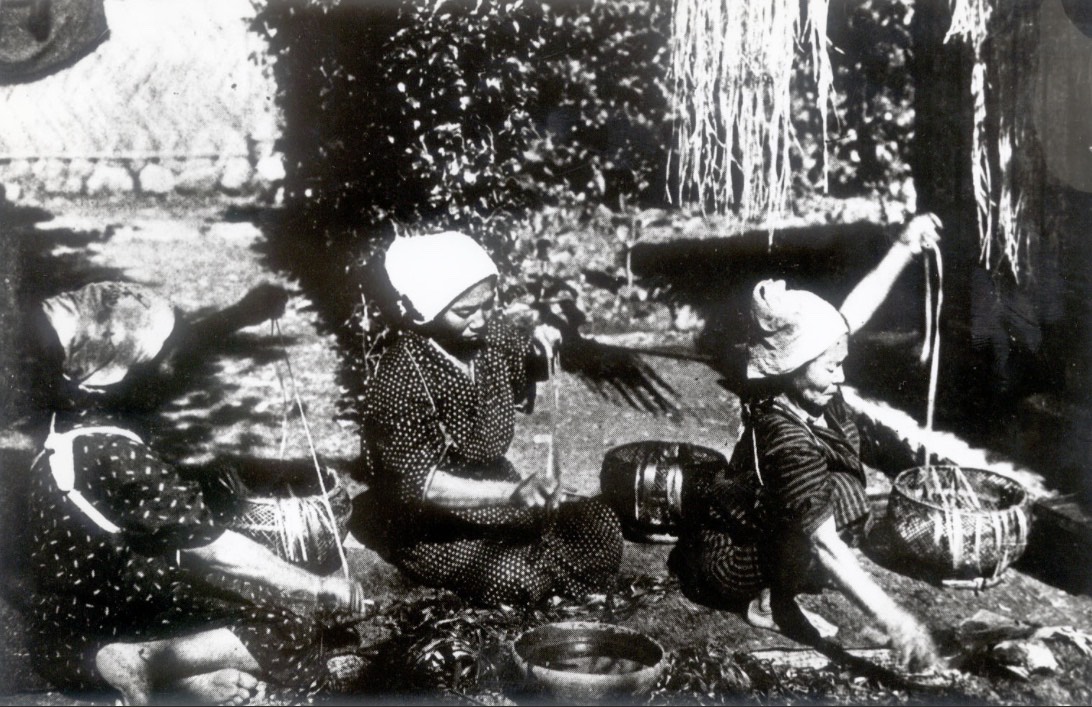
Ton-byan
Stripe 57 of 59
The band itself, magnified from the rug.
A lost Ryūkyūan cloth of silky agave fiber — weavers are piecing its secrets back together.
This red band tells you what threatens it: the work no longer pays enough to live on. 4 other bands share this color — and this danger.
Under 500 years old · Japan (Okinawa, Ryūkyū Islands) · Plant fiber
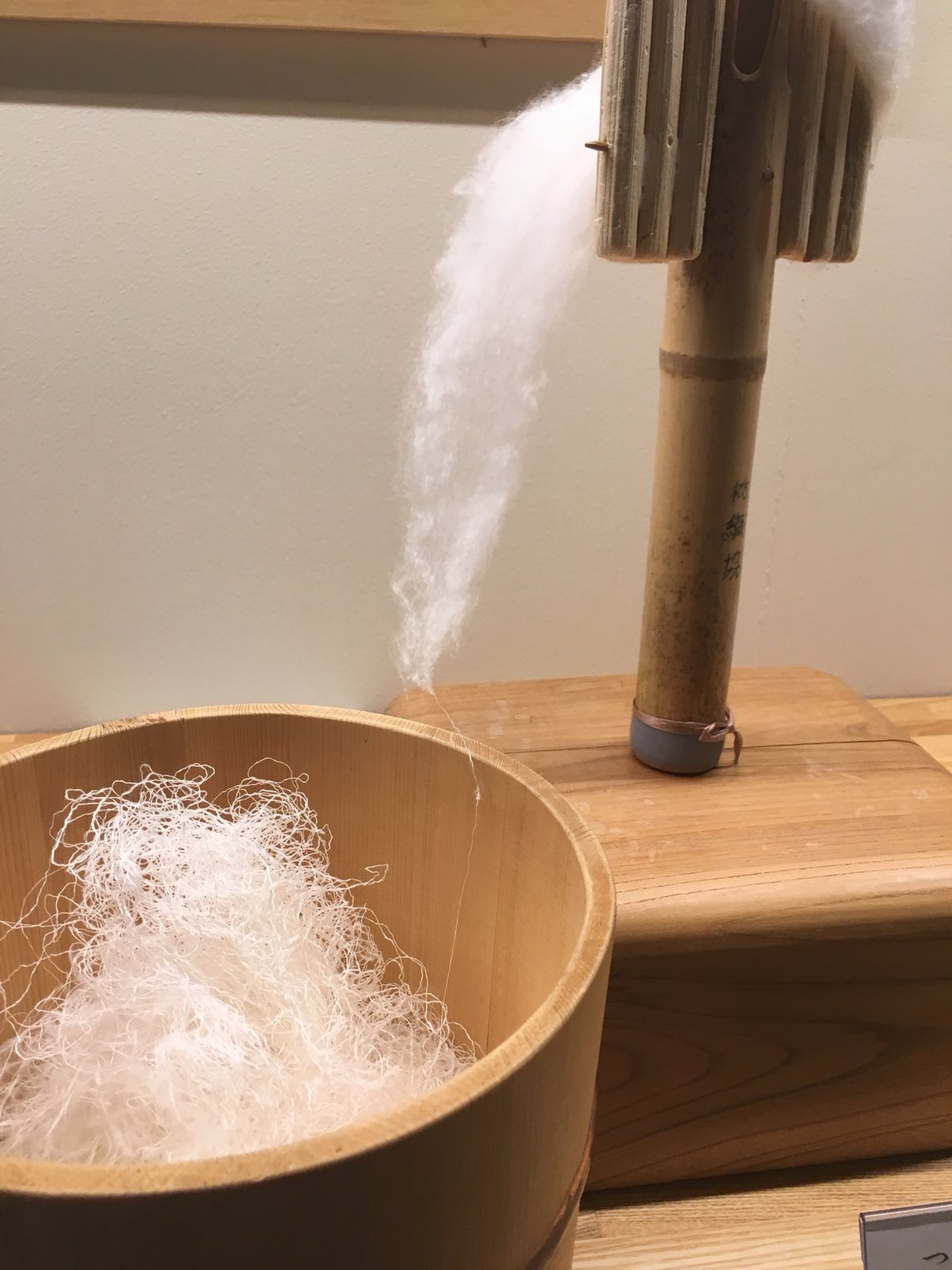
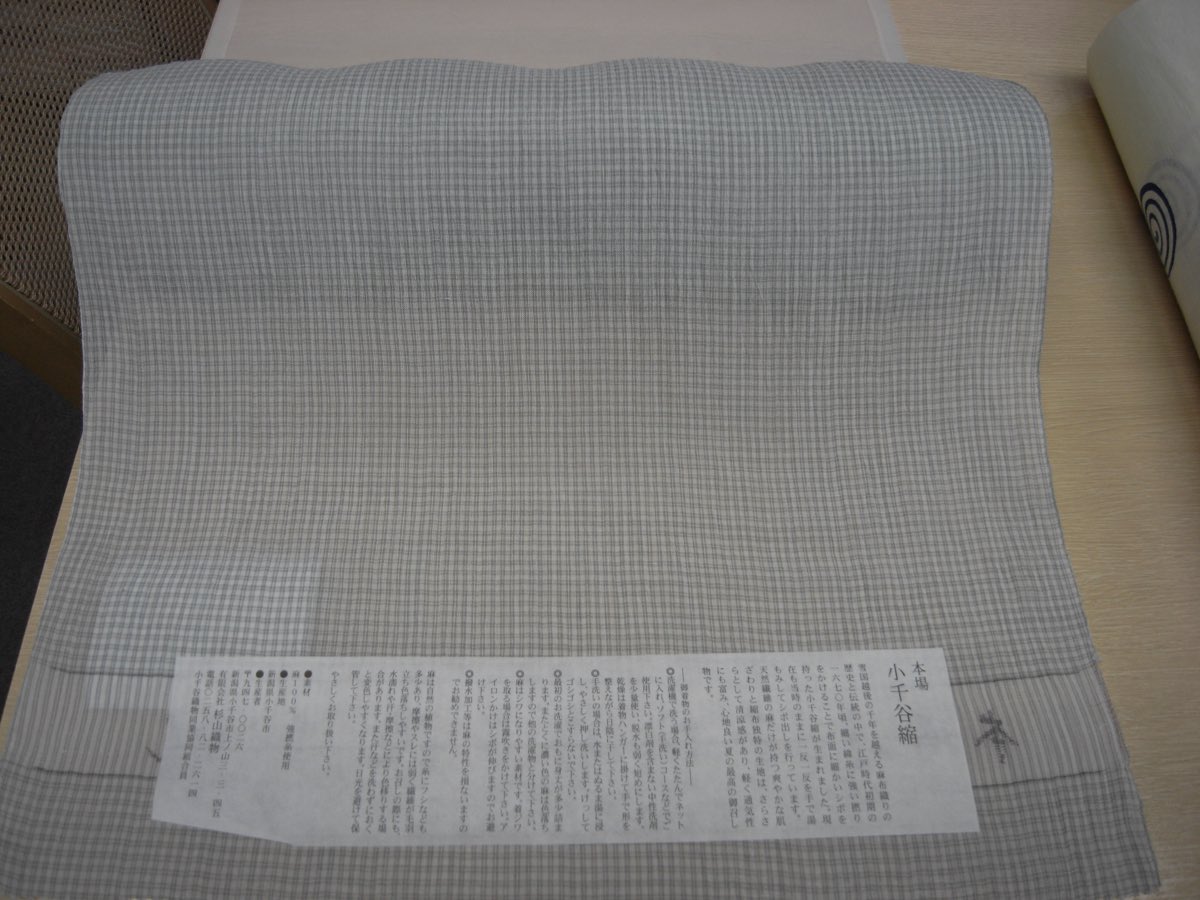
Ton-byan was a fine, cool, off-white summer cloth of the Ryukyu Kingdom in today's Okinawa, woven from a plant fiber in the agave family and prized as lighter and silkier than the islands' banana-fiber cloth. The thread came spun from China — and when that trade stopped in the early 20th century, the cloth could no longer be made.
Ton-byan is not merely endangered — it is lost: weaving ended when the fiber imports ceased, the technique died with its last weavers, and even the source plant's identity was only clarified by modern analysis of the few surviving museum pieces.
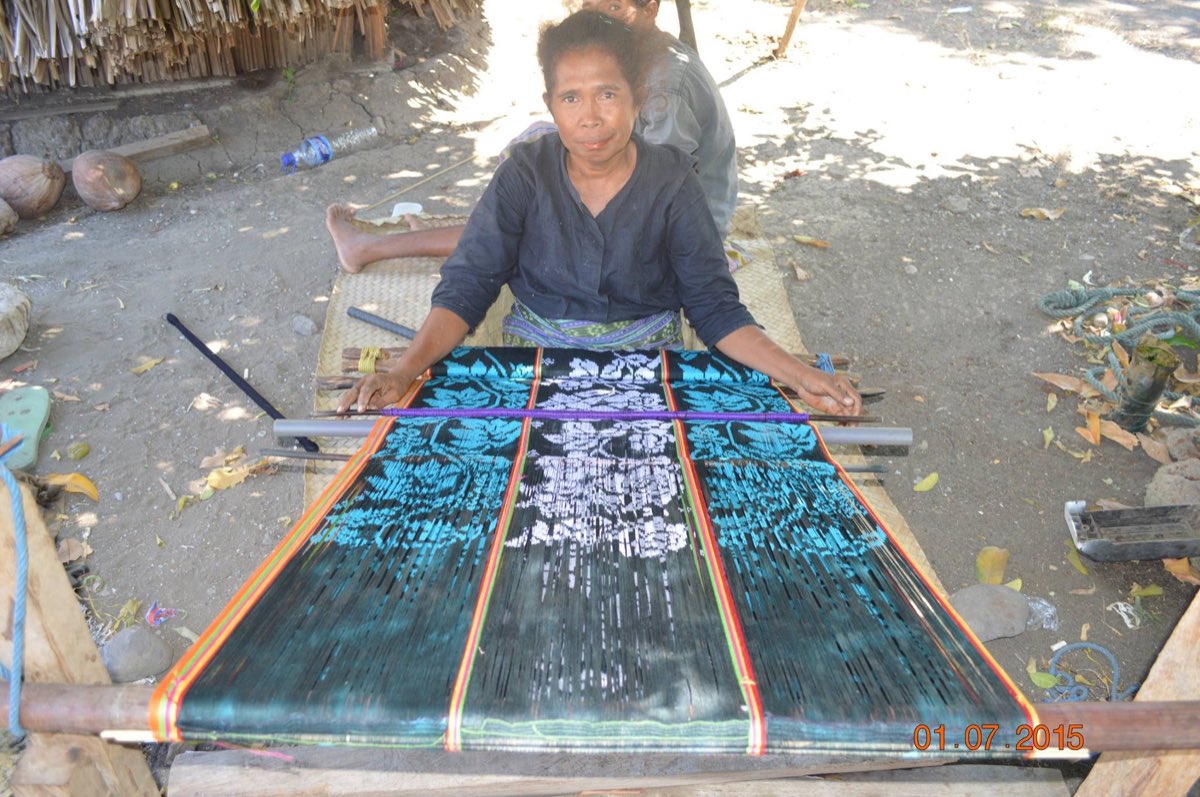
Tais
Stripe 56 of 59
The band itself, magnified from the rug.
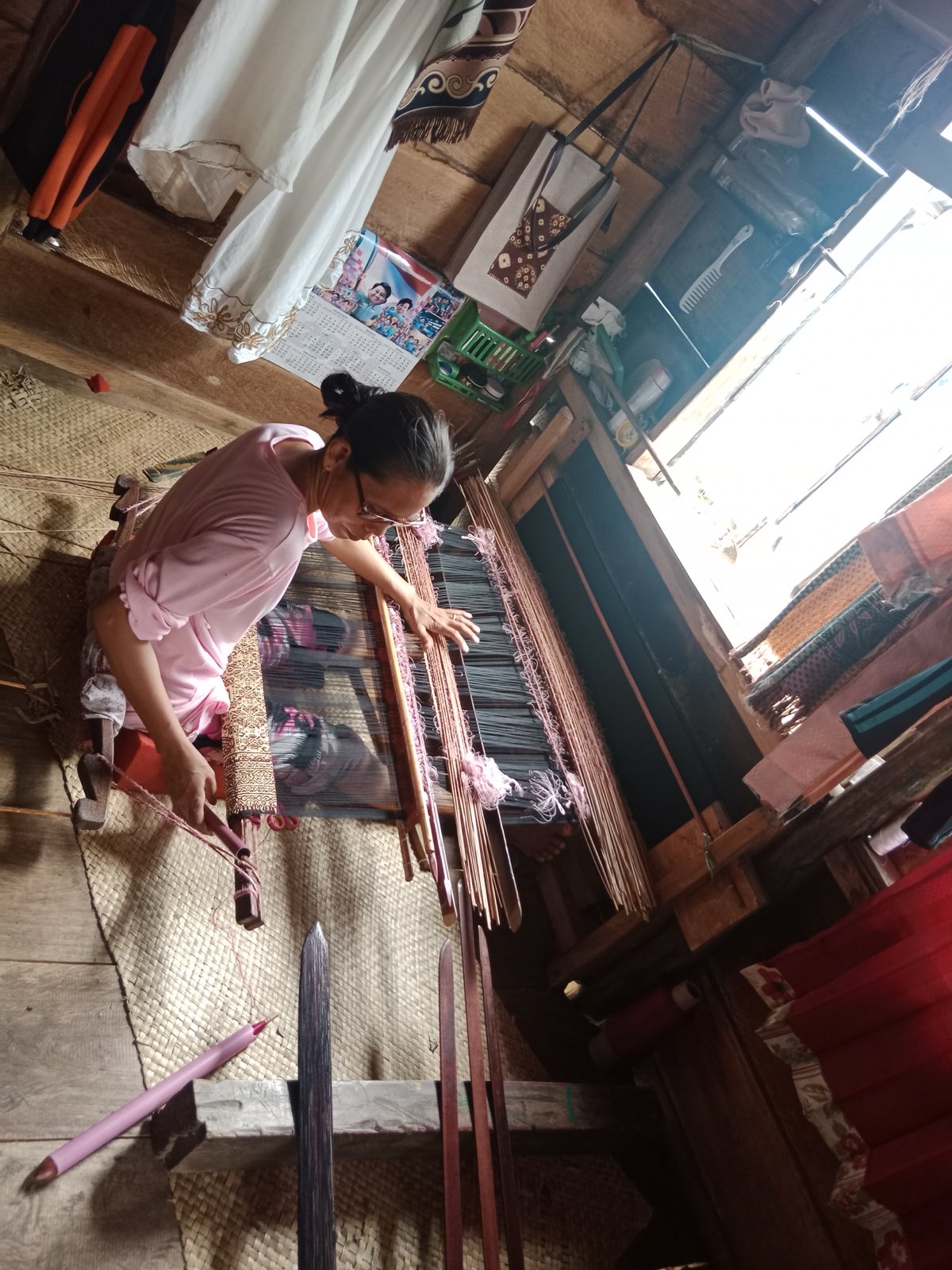
Timor's ceremonial cloth — on UNESCO's urgent safeguarding list.
This light-blue band tells you what threatens it: its makers are growing old, and too few are learning it after them. 24 other bands share this color — and this danger.
Tais is the hand-woven ceremonial cloth of Timor-Leste, made by women on backstrap looms, traditionally from homegrown cotton colored with natural dyes. Its colors and motifs identify the wearer's home region, and it is wrapped, gifted, and worn at every major life event.
UNESCO placed tais on its Urgent Safeguarding List in 2021: most remaining weavers are older women, cheap machine-made imitations undercut the handwoven cloth, and the skills are no longer passed on at a sustaining rate.
Songket
Stripe 55 of 59
The band itself, magnified from the rug.
Gold thread floated through silk, for cloth worn at weddings and courts.
This red band tells you what threatens it: the work no longer pays enough to live on. 4 other bands share this color — and this danger.
Under 500 years old · Malaysia & Indonesia · Mixed fibers
Songket is a handwoven fabric in which gold or silver threads are floated over silk or cotton to build shimmering raised patterns, row by row, on a traditional loom. Woven across Malaysia and Indonesia, it has dressed weddings, royal courts, and ceremonies for centuries.
UNESCO inscribed songket in 2021, noting the weavers are predominantly older women and that transmission to younger generations has weakened as hand-loom work loses out to factory imitations.
Point d'Alençon
Stripe 54 of 59
The band itself, magnified from the rug.
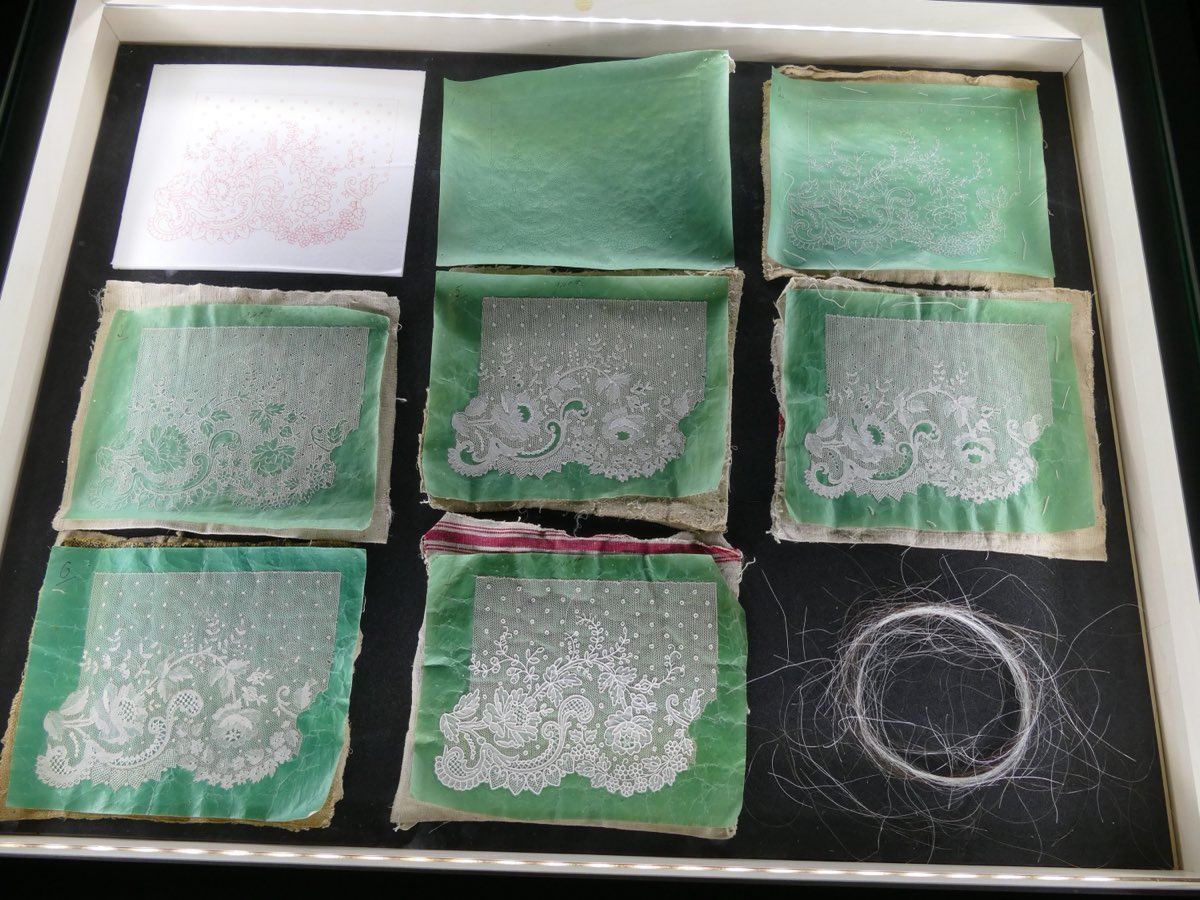
'The queen of lace' — seven to ten years to train a single pair of hands.
This light-blue band tells you what threatens it: its makers are growing old, and too few are learning it after them. 24 other bands share this color — and this danger.
Under 500 years old · France (Alençon) · Plant fiber
Point d'Alençon is lace built entirely with a plain needle and thread, stitch by tiny stitch, with no loom or bobbins — one square centimeter takes about seven hours. Invented in the Norman town of Alençon in the 1600s, it was nicknamed the queen of lace and trimmed the wardrobes of French royalty.
Mastering the technique takes seven to ten years of apprenticeship, and the knowledge passes only by hands-on teaching among the few specialist lacemakers of Alençon's state-run workshop; UNESCO inscribed the craft in 2010.
Pinta'o Hat Fibers
Stripe 53 of 59
The band itself, magnified from the rug.
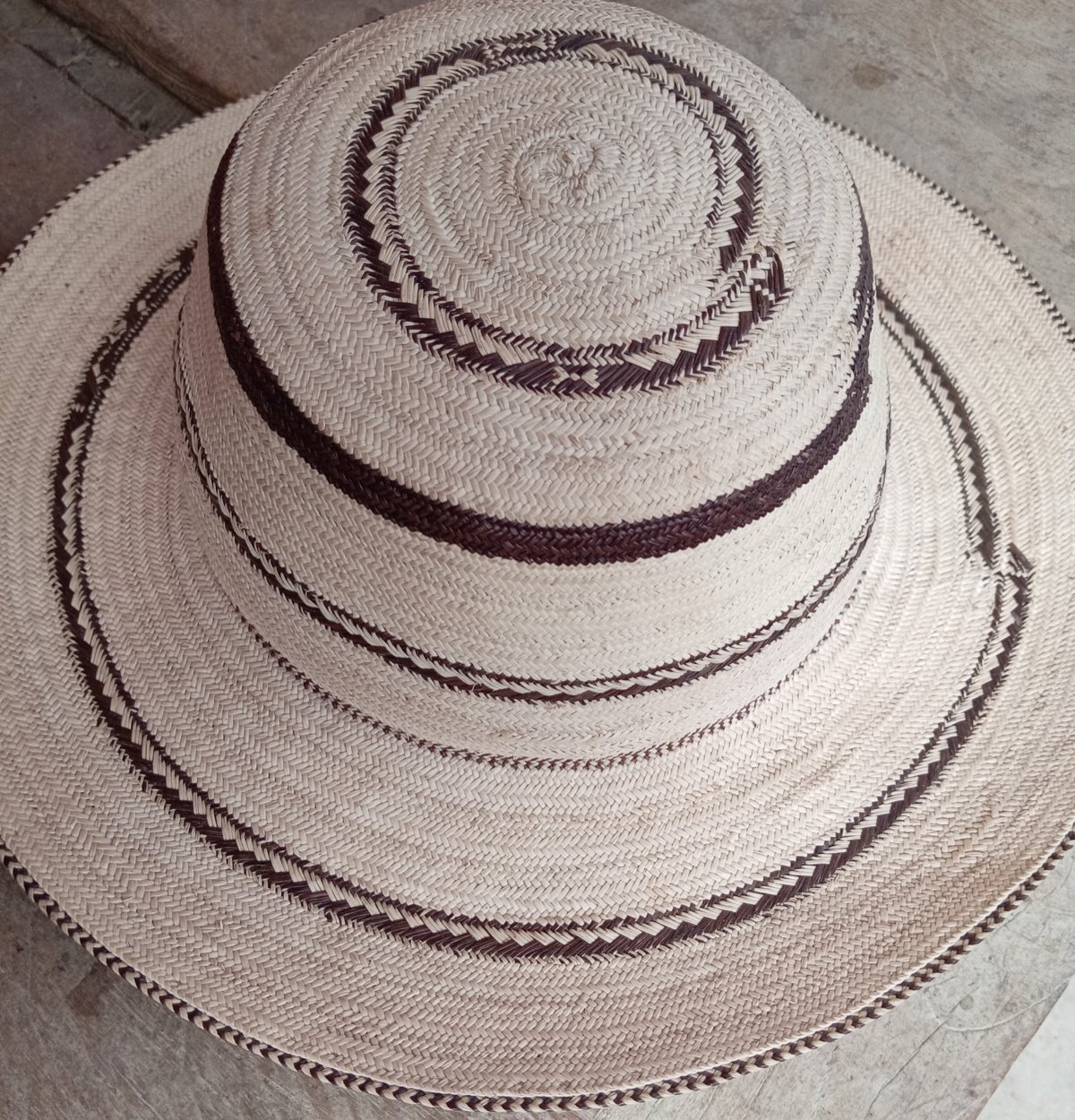
Panama's pinta'o hat, braided from the fibers of five different plants.
This brown band tells you what threatens it: the material it depends on is running out. 2 other bands share this color — and this danger.
Panama's pinta'o hat is braided by hand from the fibers of five different plants, with swamp mud used to dye some strands near-black. Artisans plait long braids, then coil and sew them into a hat ring by ring — the more rings, the finer and more prized the hat.
The entire tradition is concentrated in one small district — La Pintada, in Coclé province — with a few hundred identified artisans; UNESCO inscribed the weaving processes in 2017 to support their safeguarding.
Moldova Wall Carpetmaking
Stripe 52 of 59
The band itself, magnified from the rug.
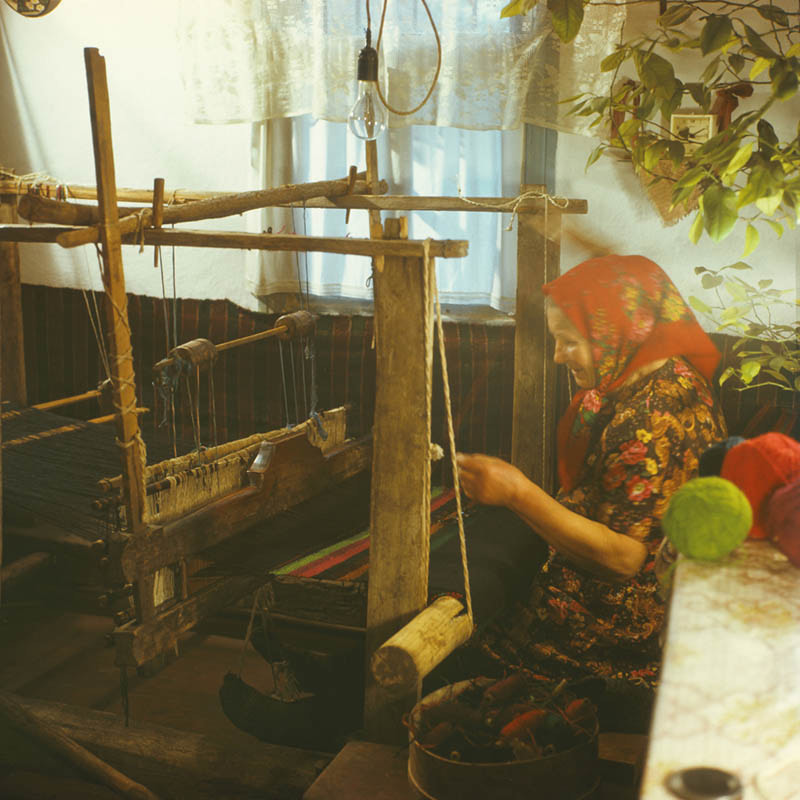
Wall carpets woven for weddings and dowries in village workshops.
This light-blue band tells you what threatens it: its makers are growing old, and too few are learning it after them. 24 other bands share this color — and this danger.
Under 500 years old · Moldova & Romania · Animal fiber
In villages across Moldova and Romania, women wove thick wool carpets not for floors but for walls, where they kept out winter cold and told the family's story in geometric flowers, birds, and stars. A wall carpet was the centerpiece of a bride's dowry, hung at weddings and funerals alike.
Everyday practice faded over the 20th century — weaving left ordinary households, and transmission shifted from mothers teaching daughters to craft centers and museums; UNESCO inscribed the tradition in 2016.
Kilim Carpet Weaving
Stripe 51 of 59
The band itself, magnified from the rug.
Flat-woven kilims whose motifs spell out protection, luck, and lineage.
This light-blue band tells you what threatens it: its makers are growing old, and too few are learning it after them. 24 other bands share this color — and this danger.
Under 500 years old · Türkiye (Anatolia) · Animal fiber
A kilim is a flat rug with no pile: the weaver builds the pattern by passing colored weft threads back and forth across the warp and packing them down tight, so the design is the cloth itself. Anatolian kilims get their crisp, graphic edges from tiny slits left where two colors meet, and the motifs traditionally carried meanings — fertility, protection, marriage.
Hand-loom kilim weaving in rural Anatolia has contracted sharply as machine-made rugs, synthetic dyes, and migration to cities thin out village weaving households, leaving the tradition concentrated among older weavers.
Jamdani Weaving
Stripe 50 of 59
The band itself, magnified from the rug.
Figured muslin woven motif by motif, with no pattern ever drawn.
This light-blue band tells you what threatens it: its makers are growing old, and too few are learning it after them. 24 other bands share this color — and this danger.
Jamdani is cotton muslin so fine it was once called “woven air,” with flowers and geometric motifs added thread by thread as the cloth grows on the loom — no embroidery, no printing. Each sari is built from memory, often by two weavers side by side for weeks or months.
The craft is slow, physically demanding, and poorly paid, and hand-woven jamdani competes with cheap powerloom imitations; UNESCO inscribed it in 2013 to support its safeguarding.
Ankara
Stripe 49 of 59
The band itself, magnified from the rug.
Wax print beloved across West Africa — most is now made far from the continent.
This gold band tells you what threatens it: the factory version is crowding it out. 15 other bands share this color — and this danger.
Under 500 years old · West Africa (Nigeria, Ghana) · Plant fiber
Ankara is the brilliantly patterned cotton wax print worn across West Africa, its motifs printed on both sides of the cloth using a resist technique that traces back to Indonesian batik. In Nigeria and Ghana the patterns carry names, proverbs, and messages — and a visit to the tailor turns six yards into anything from a work dress to a wedding ensemble.
West Africa's own textile mills have shrunk to a fraction of their former workforce as cheaper imported imitations — many copying local designs outright — undercut domestic printing.
Ugandan Barkcloth
Stripe 48 of 59
The band itself, magnified from the rug.
Cloth beaten, not woven — from the inner bark of the mutuba tree.
This gold band tells you what threatens it: the factory version is crowding it out. 15 other bands share this color — and this danger.
500–1,000 years old · Uganda (Buganda) · Plant fiber
Lubugo is a cloth made without any thread: makers strip the inner bark from the mutuba fig tree and beat it with grooved wooden mallets for hours until it spreads into a soft, terracotta-colored fabric. The stripped tree is wrapped in banana leaves to heal, and the same trunk can be harvested for decades.
UNESCO inscribed Ugandan barkcloth making in 2008, noting production declined steeply after cotton cloth arrived in the nineteenth century; the craft now survives mainly for cultural and spiritual functions in the Buganda kingdom.
Tatreez
Stripe 47 of 59
The band itself, magnified from the rug.
Cross-stitch whose motifs can tell you a woman's village at a glance.
This gold band tells you what threatens it: the factory version is crowding it out. 15 other bands share this color — and this danger.
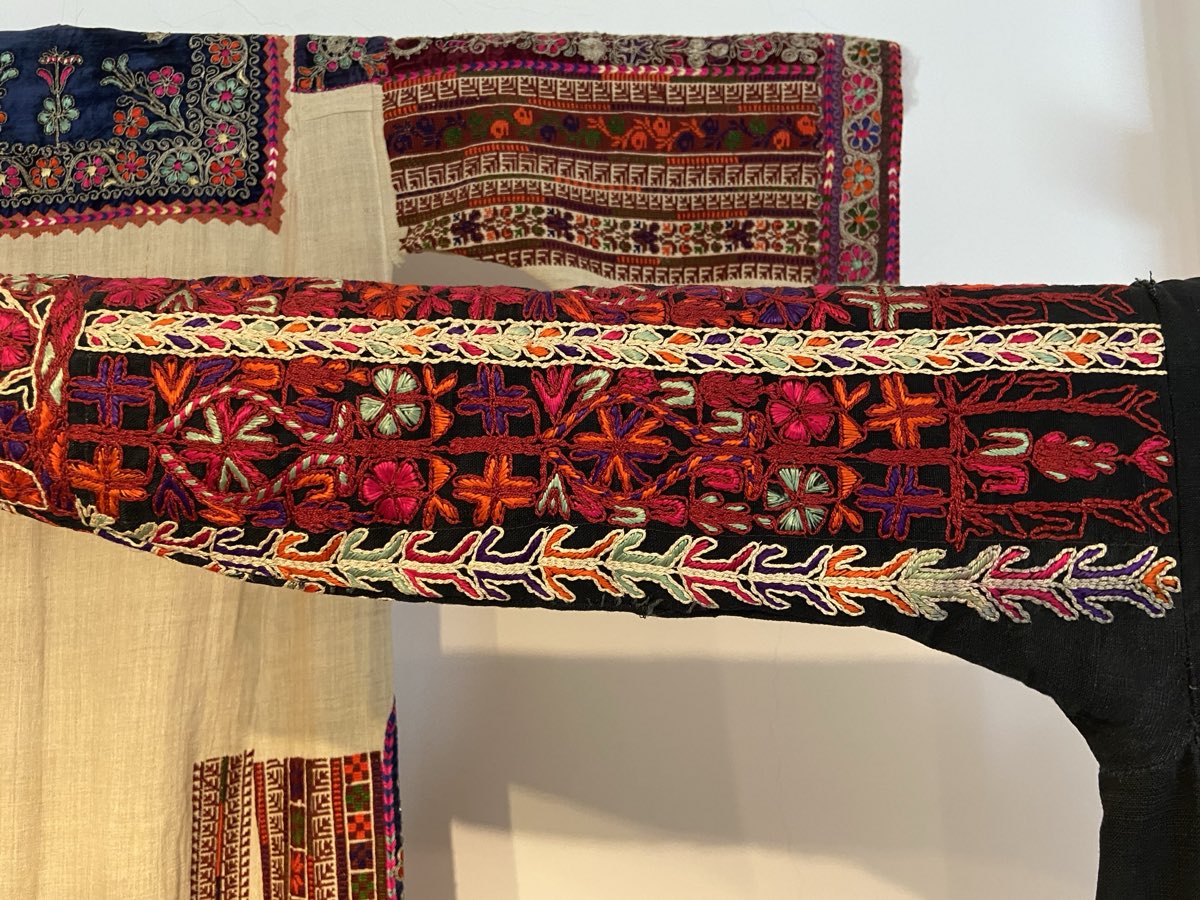
Tatreez is Palestinian embroidery, sewn by women onto dresses, cushions, and shawls in cross-stitched motifs — cypress trees, birds, moons — that once announced the wearer's village and life story. A fully embroidered thobe can carry months of handwork across its chest panel, sleeves, and seams.
UNESCO inscribed the art of embroidery in Palestine in 2021; the practice has been strained by displacement and the loss of the village life its regional patterns described, while women in Palestine and across the diaspora keep it alive, mother to daughter.
Resist Block Printing in Europe
Stripe 46 of 59
The band itself, magnified from the rug.
Blaudruck: indigo cloth printed with carved blocks and secret 'reserve' paste.
This gold band tells you what threatens it: the factory version is crowding it out. 15 other bands share this color — and this danger.
500–1,000 years old · Austria, Czechia, Germany, Hungary, Slovakia · Plant fiber
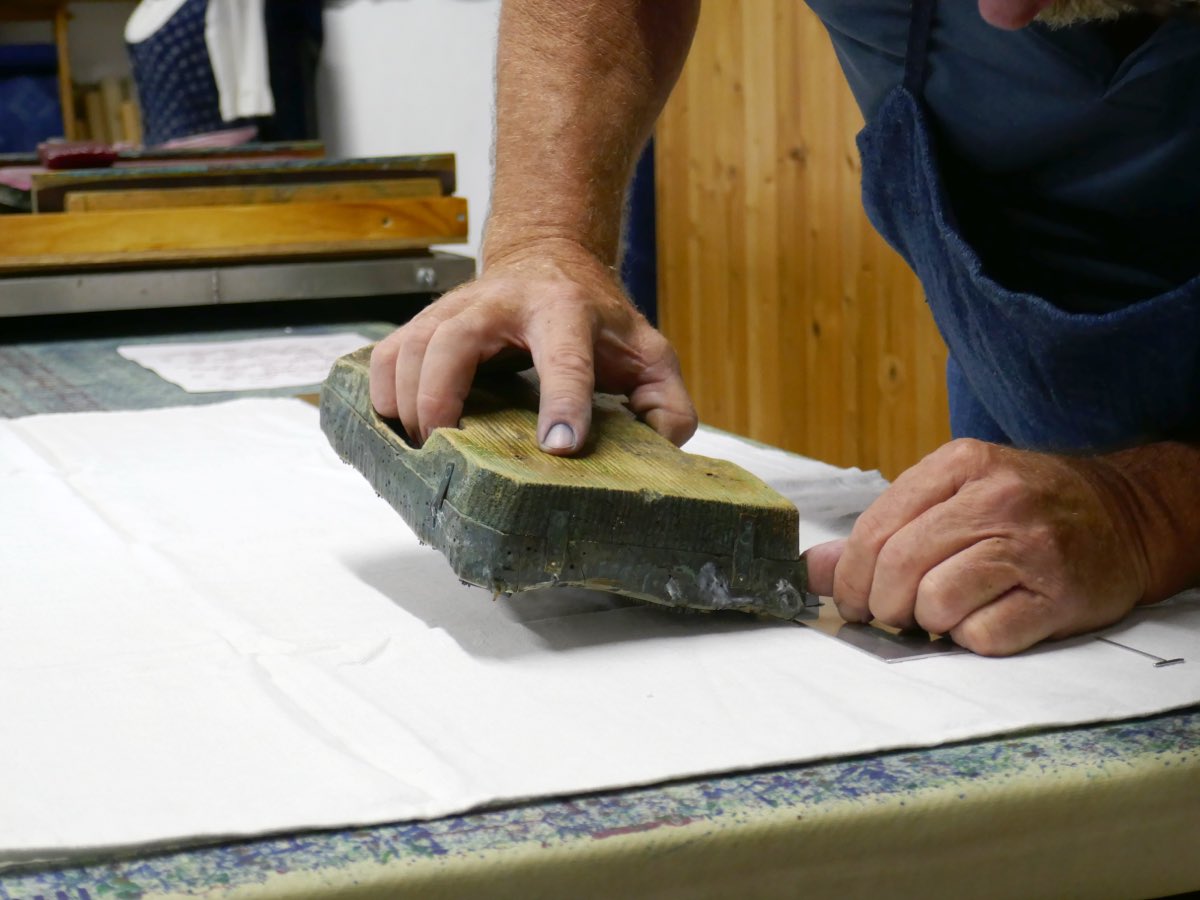
Blueprint makers stamp cloth with a secret starchy paste using carved wooden blocks, then dip the fabric in an indigo vat; wherever the paste sat, the dye cannot reach, leaving crisp white patterns on deep blue. Many blocks and recipe journals still in use have been handed down since the nineteenth century.
UNESCO inscribed the craft in 2018 across Austria, Czechia, Germany, Hungary, and Slovakia; it survives mainly in small family workshops — some in their seventh generation — whose knowledge passes only through hands-on practice.
Rebozo
Stripe 45 of 59
The band itself, magnified from the rug.
The Mexican shawl that carries babies, market goods, and identity alike.
This light-blue band tells you what threatens it: its makers are growing old, and too few are learning it after them. 24 other bands share this color — and this danger.
The rebozo is Mexico's signature shawl: a long rectangle of cloth hand-woven on a backstrap or pedal loom, used for warmth, ceremony, and carrying babies. After weaving, specialists called empuntadoras hand-knot the fringe into lace-like patterns — finishing work that can take from twenty days to four months.
Santa María del Río and Tenancingo are among the last towns where rebozos are still woven and hand-knotted the traditional way; master artisans and empuntadoras are aging while machine-made imitations undercut their work.
Pibiones Weaving
Stripe 44 of 59
The band itself, magnified from the rug.
Sardinian weaving named for grapes — patterns raised loop by loop.
This light-blue band tells you what threatens it: its makers are growing old, and too few are learning it after them. 24 other bands share this color — and this danger.
500–1,000 years old · Italy (Sardinia) · Plant fiber
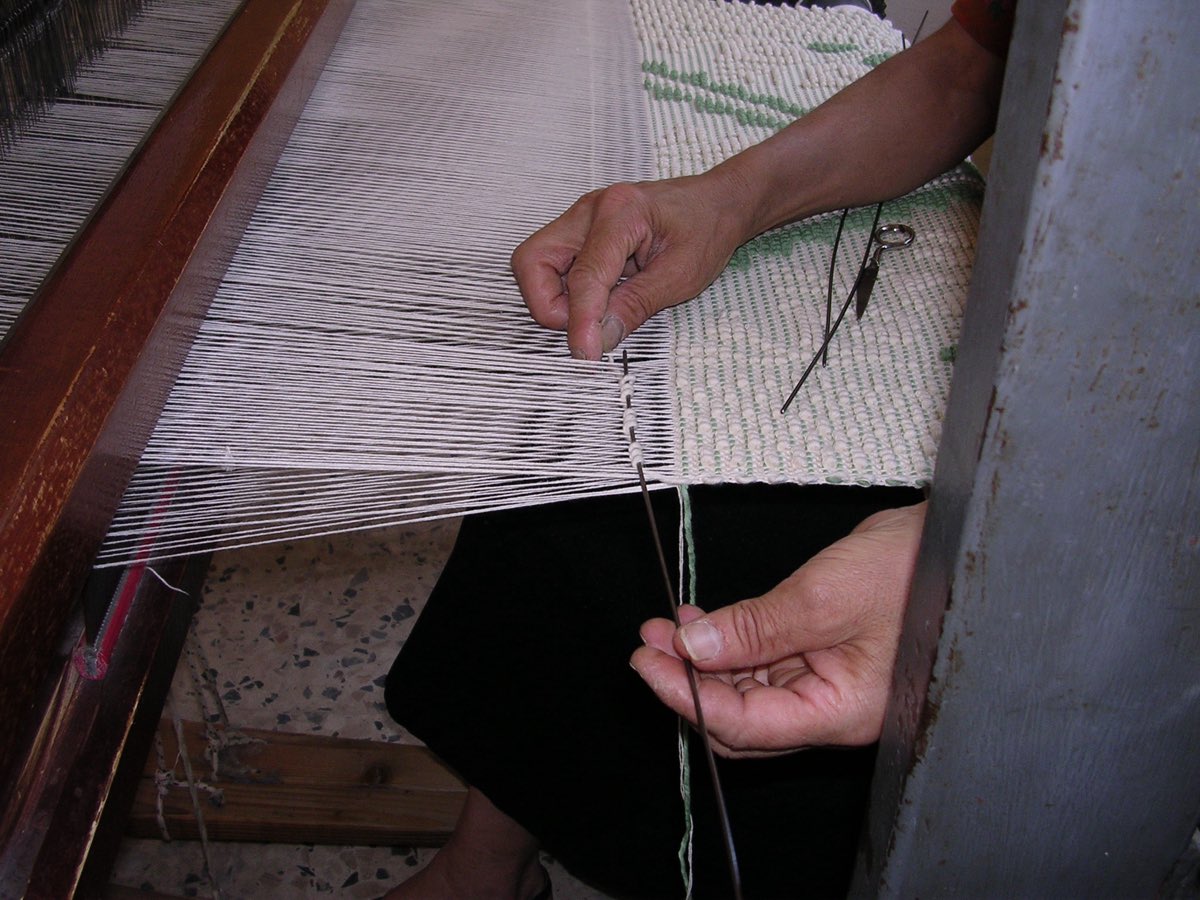
Sardinian weavers build patterns out of thousands of tiny raised loops called pibiones — “grapes” in the island's language. Each loop is wound by hand around a metal rod, row by row, until birds, flowers, and borders literally rise off the cloth in relief.
The dowry tradition and home weaving that sustained the craft have faded, leaving a small number of professional hand-weavers concentrated in a few villages such as Samugheo and Ulassai.
Pag Needle-point Lace
Stripe 43 of 59
The band itself, magnified from the rug.
Lace built stitch over stitch on a drawn thread, island of Pag.
This light-blue band tells you what threatens it: its makers are growing old, and too few are learning it after them. 24 other bands share this color — and this danger.
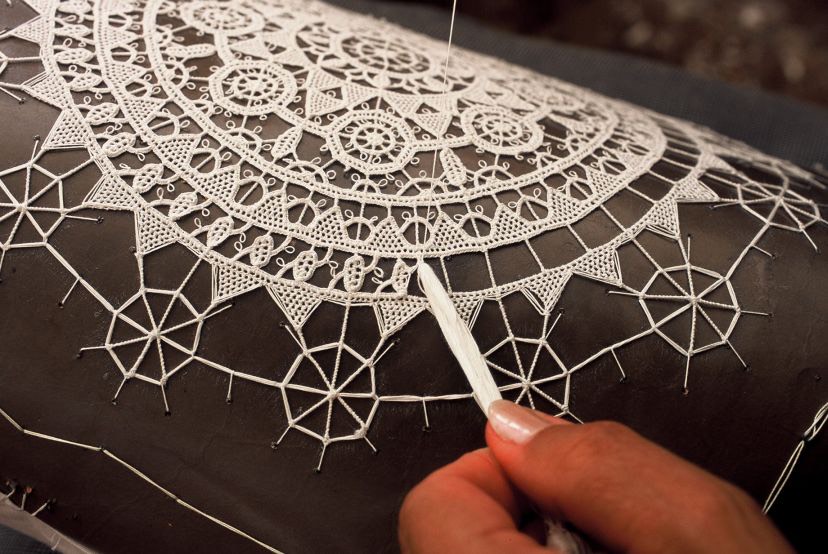
On the Croatian island of Pag, lacemakers build intricate white medallions using nothing but a fine sewing needle, a single thread, and a firm dark cushion — no loom, no bobbins. Working outward from a backbone of spokes, they fill in wheels and stars so precisely the result looks drawn.
Pag needle lace is one of the three traditions in UNESCO's 2009 lacemaking-in-Croatia inscription, recognized because it survives among a small number of mostly older practitioners; transmission now depends on the lace courses in the town of Pag.
Noken Woven Bag
Stripe 42 of 59
The band itself, magnified from the rug.
Knotted from bark string and carried from the crown of the head.
This gold band tells you what threatens it: the factory version is crowding it out. 15 other bands share this color — and this danger.
500–1,000 years old · Indonesia (Papua) · Plant fiber
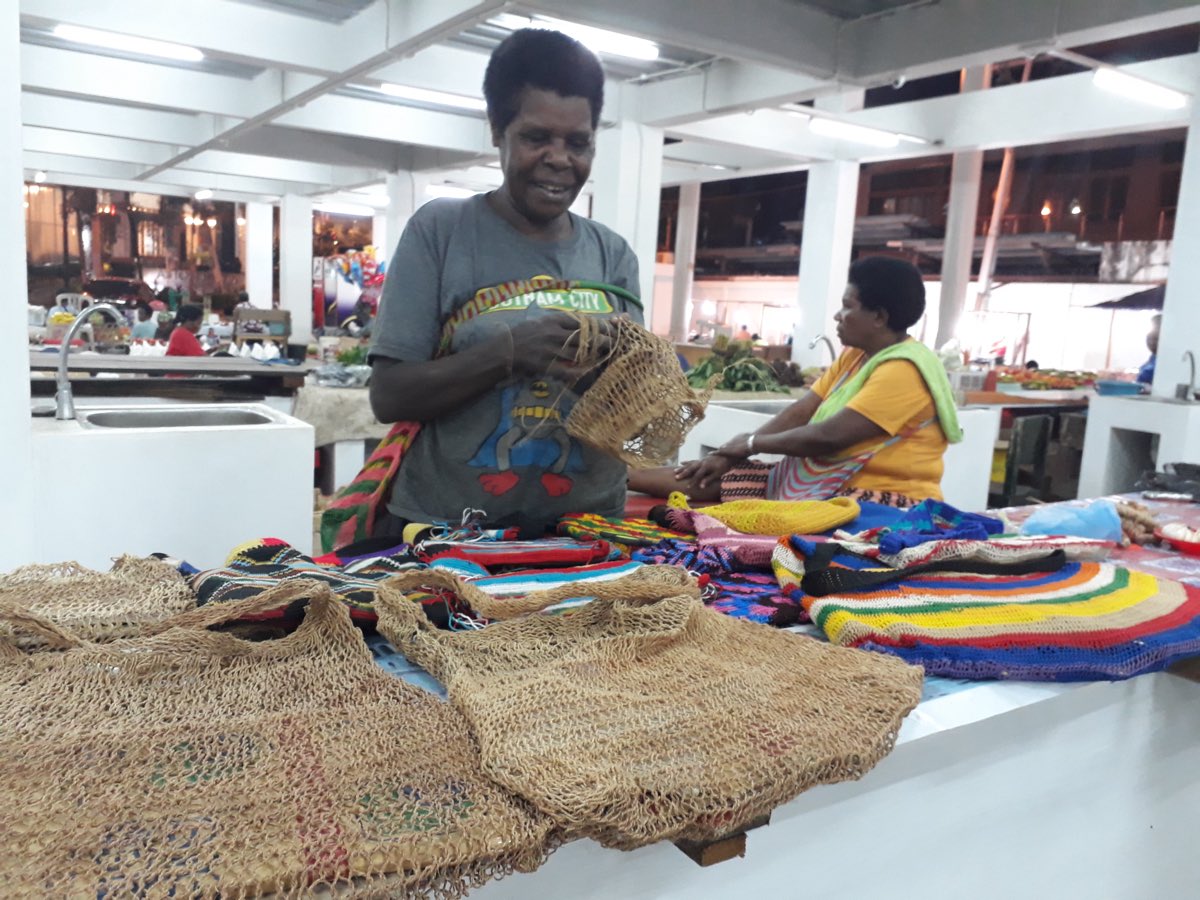
A noken is a stretchy net bag that Papuan women make entirely by hand, rolling tree-bark fiber into thread on the thigh and knotting it into shape. Slung from the forehead, it carries everything from sweet potatoes to firewood to babies — and it is a badge of Papuan identity.
UNESCO placed noken on its Urgent Safeguarding List in 2012, citing competition from factory-made bags, difficulty obtaining traditional raw materials, and weakening transmission to the young.
Maguey Weaving
Stripe 41 of 59
The band itself, magnified from the rug.
Maguey fiber, brushed and spun the way it was before sheep reached the Americas.
This red band tells you what threatens it: the work no longer pays enough to live on. 4 other bands share this color — and this danger.
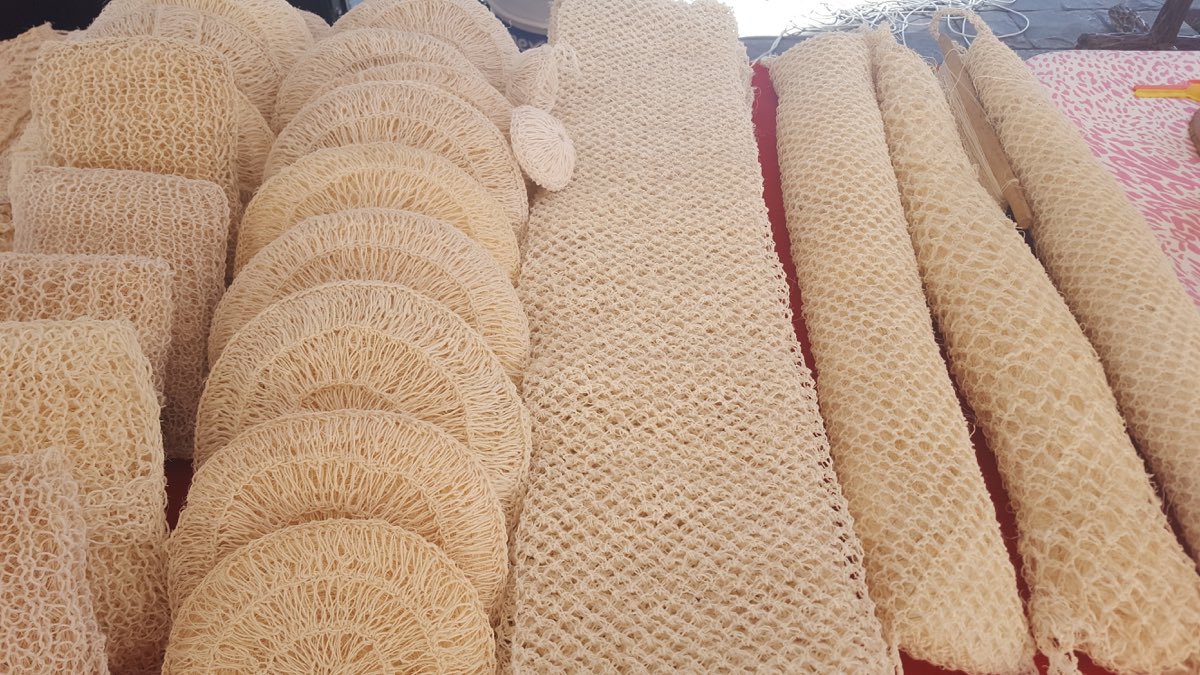
Weavers in central Mexico scrape, wash, and hand-spin fiber from maguey leaves, then work it into airy open-mesh cloth. The signature piece is the ayate — a tough carrying cloth farmers have knotted over their shoulders since long before the Spanish arrived.
Cheap plastic sacks and synthetic fibers gutted demand; in Hidalgo's Mezquital Valley, small collectives of mostly older Hñähñu (Otomí) artisans still spin and weave ixtle, working to keep the knowledge alive.
Lefkaritika
Stripe 40 of 59
The band itself, magnified from the rug.
Lefkara's geometry in linen — legend says Leonardo bought a piece for Milan's cathedral.
This light-blue band tells you what threatens it: its makers are growing old, and too few are learning it after them. 24 other bands share this color — and this danger.
500–1,000 years old · Cyprus (Lefkara) · Plant fiber
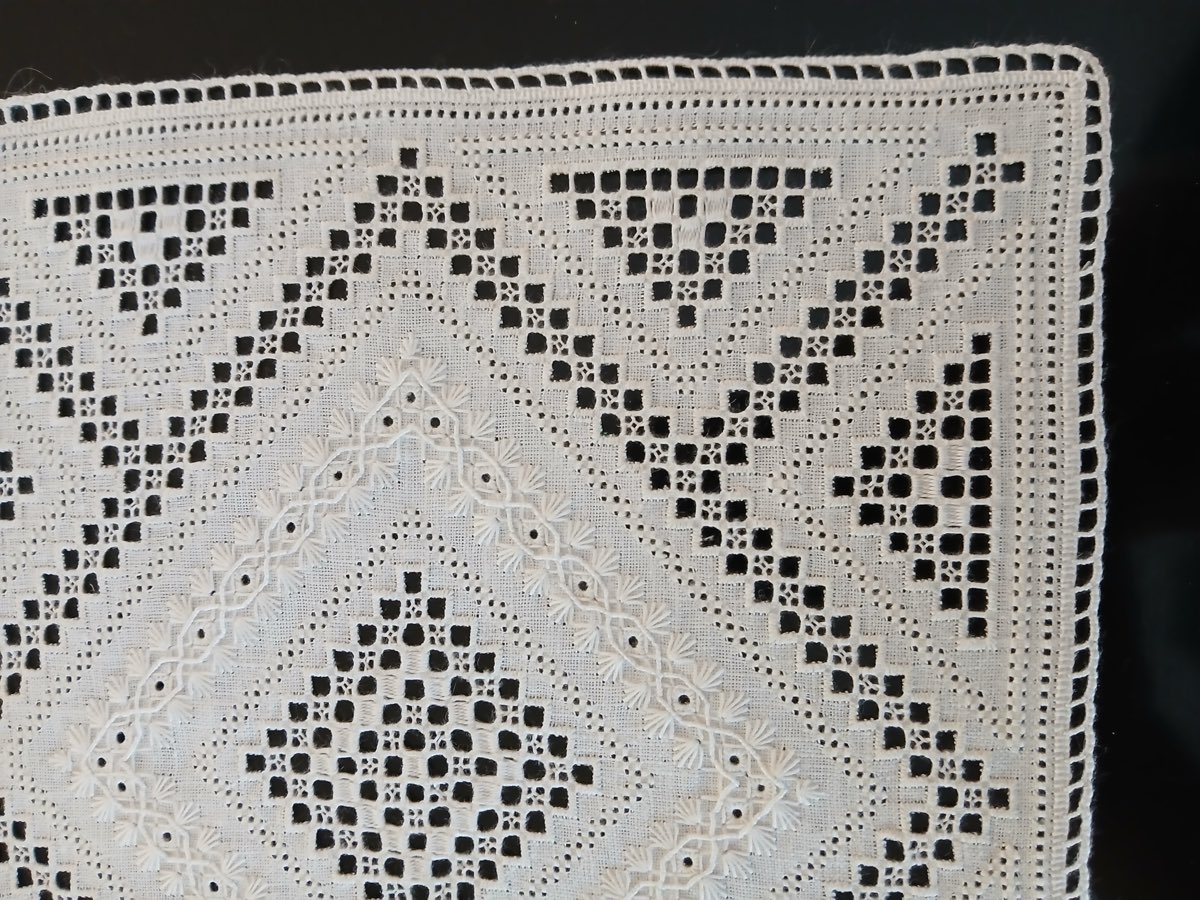
Lefkaritika is the white-on-white needlework of Lefkara, a hill village in Cyprus, where geometric patterns are cut, hemstitched, and embroidered directly into fine linen entirely by hand. Local legend holds that Leonardo da Vinci bought a Lefkara cloth for Milan's cathedral in 1481.
The craft lives in one small village community, passed from grandmothers to daughters over years of practice, and a single piece can take weeks; UNESCO inscribed Lefkara lace in 2009 as that chain of transmission thins.
ʻIe Sāmoa
Stripe 39 of 59
The band itself, magnified from the rug.
A fine mat years in the weaving, given at life's greatest moments.
This gold band tells you what threatens it: the factory version is crowding it out. 15 other bands share this color — and this danger.
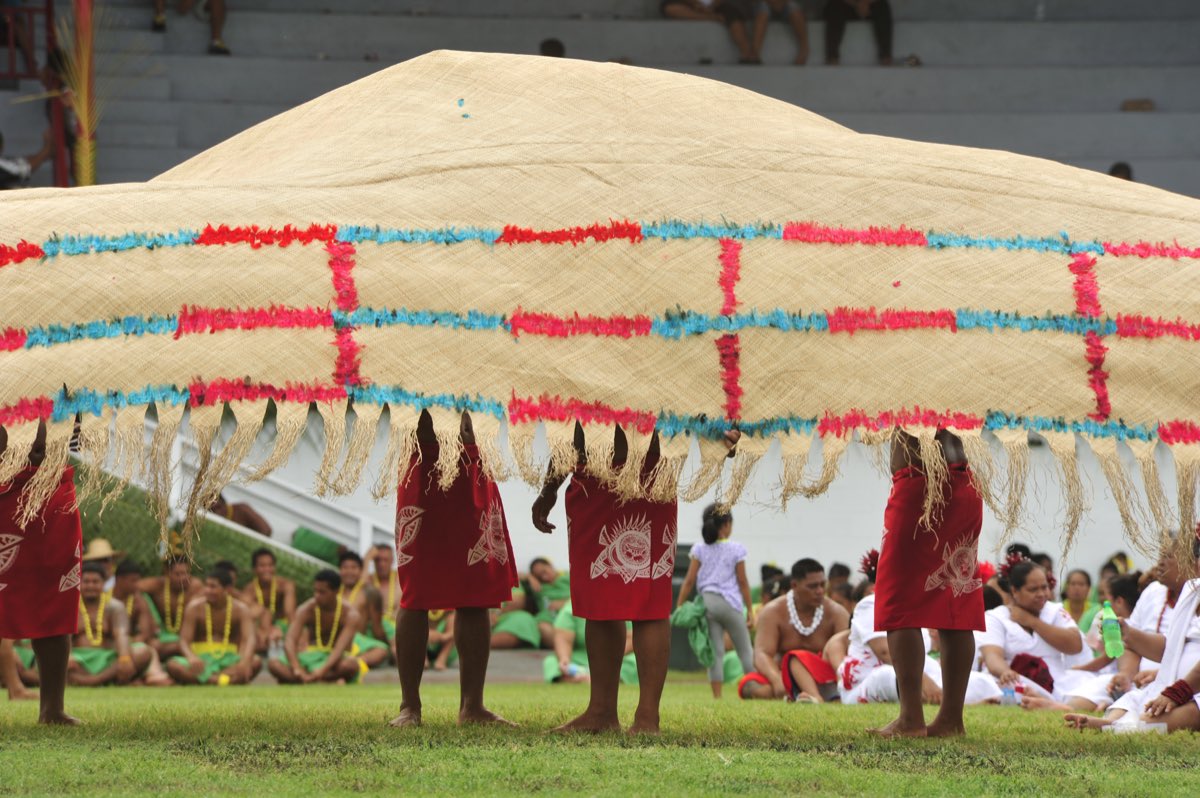
The ʻie Sāmoa is a mat woven from pandanus leaves split nearly as fine as thread, so supple it drapes like cloth and shines like silk. It is not for floors: fine mats are Samoa's most treasured ceremonial wealth, exchanged at weddings, funerals, and chiefly title ceremonies to bind families together.
A single fine mat can take months or years to weave, and faster, coarser work spread through the twentieth century at the finest technique's expense; UNESCO inscribed the ʻie Sāmoa in 2019 as village weaving committees work to revive it.
Kasuri
Stripe 38 of 59
The band itself, magnified from the rug.
Japan's blurred-edge ikat, dyed before the loom ever moves.
This gold band tells you what threatens it: the factory version is crowding it out. 15 other bands share this color — and this danger.
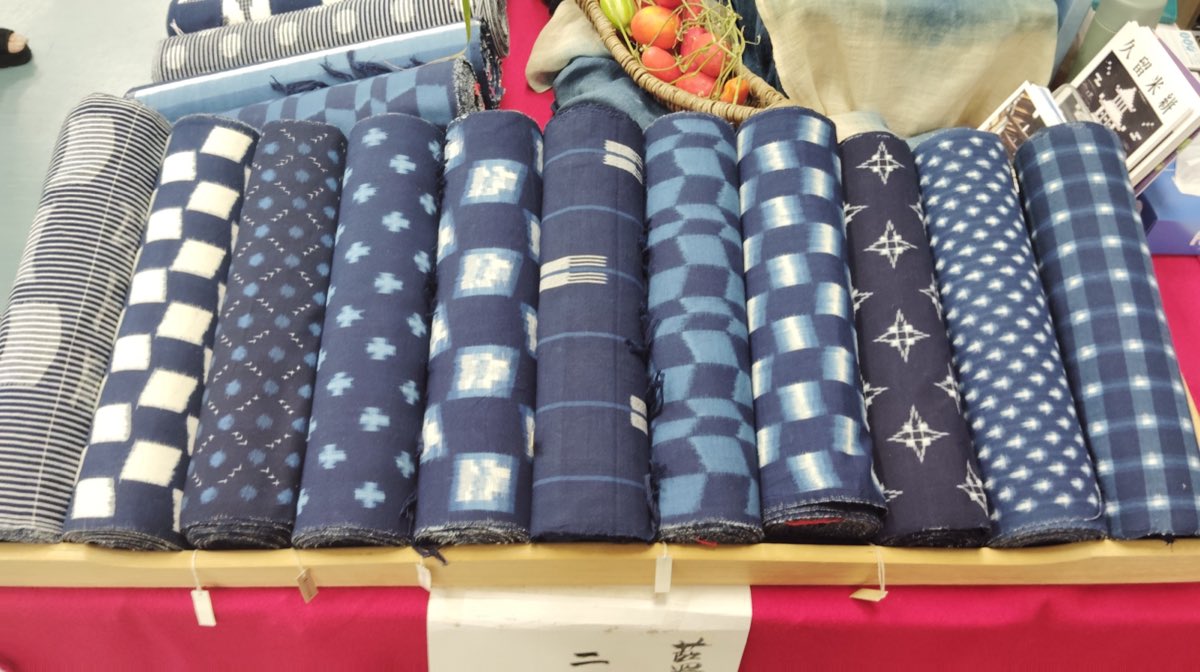
Kasuri is Japanese cloth whose pattern is dyed into the threads before weaving: bundles of yarn are tied off by hand, dipped in natural indigo, and woven so the undyed marks line up into crisp motifs with softly blurred edges. Kurume-gasuri, the most celebrated version, is credited to a 12-year-old girl named Inoue Den around 1800.
The trade collapsed from more than 13,000 weavers in the early twentieth century to a few dozen workshops today, as kimono gave way to Western dress and aging artisans struggle to find successors for the hand-binding, natural-indigo process.
Dhaka Muslin
Stripe 37 of 59
The band itself, magnified from the rug.
Spun from a vanished cotton — 'woven air' no machine has matched.
This black band tells you what threatens it: the method itself has been lost — no one alive fully knows it. 4 other bands share this color — and this danger.
500–1,000 years old · Bangladesh (Dhaka) · Plant fiber
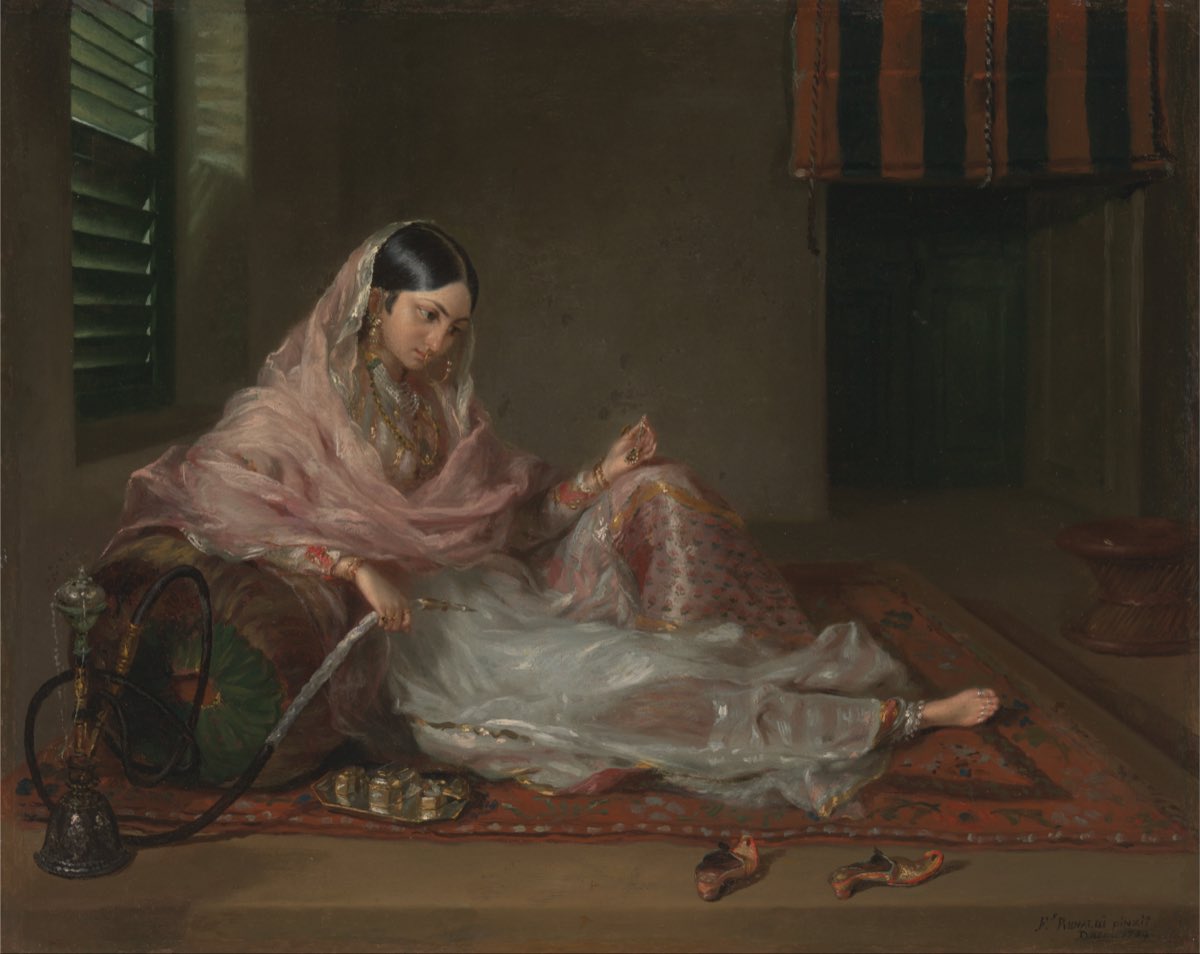
Dhaka muslin was the finest cotton cloth ever made — hand-spun from a rare Bengal cotton and woven so sheer that people called it “woven air.” An entire dress length could reportedly be drawn through a finger ring.
The craft was lost in the 19th century as colonial trade policy and industrial mill cotton destroyed the weavers' market, and the special phuti karpas cotton vanished; researchers in Bangladesh are now attempting a revival from surviving museum pieces.
Burano Lace
Stripe 36 of 59
The band itself, magnified from the rug.
On Venice's lace island, a single collar could pass through seven hands.
This light-blue band tells you what threatens it: its makers are growing old, and too few are learning it after them. 24 other bands share this color — and this danger.
500–1,000 years old · Italy (Venice) · Plant fiber
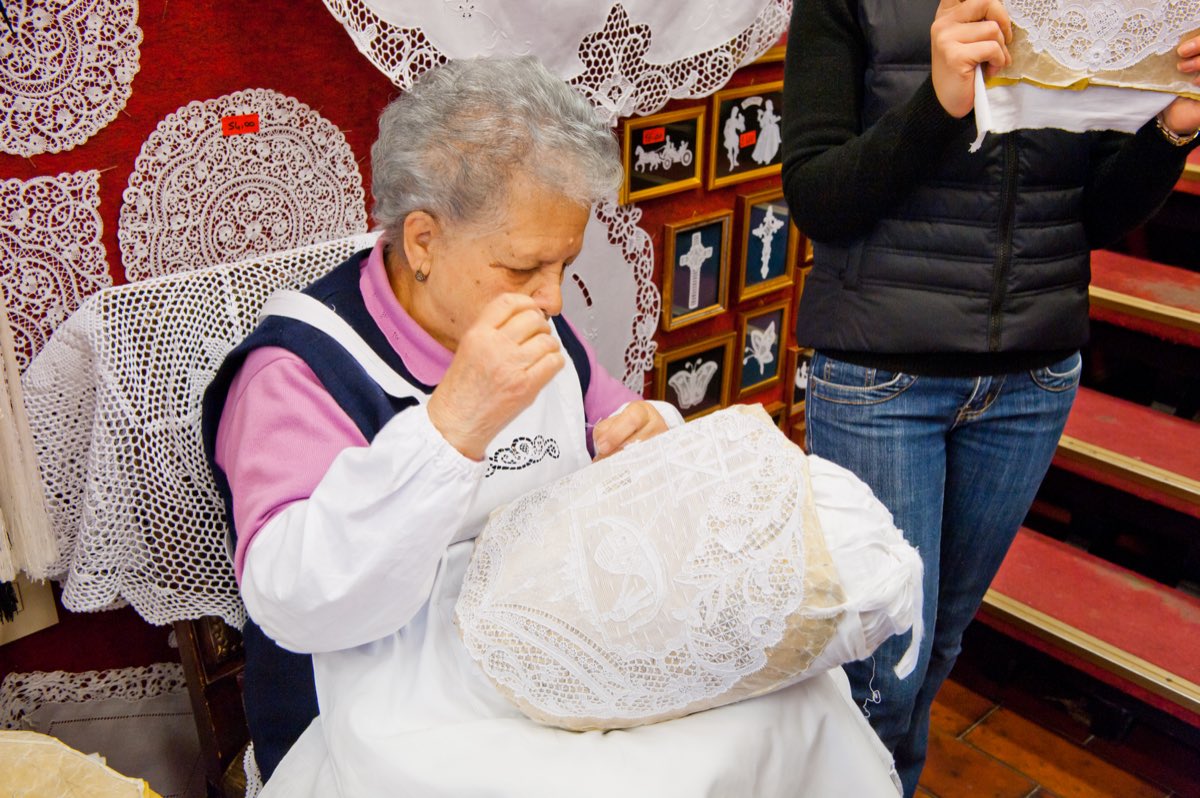
Burano lace is needle lace: made with nothing but a needle, a single thread, and thousands of tiny buttonhole stitches, traditionally worked in stages by specialist women on the small Venetian island of Burano. One piece can take months — which is why the island's lace once dressed European royalty.
Burano's famous lace school closed in 1995, and the craft now rests with a small circle of mostly elderly lacemakers, with Venice's lace museum anchoring preservation efforts on the island.
Bobbin Lacemaking
Stripe 35 of 59
The band itself, magnified from the rug.
Dozens of bobbins crossed in pairs, building lace a twist at a time.
This light-blue band tells you what threatens it: its makers are growing old, and too few are learning it after them. 24 other bands share this color — and this danger.
500–1,000 years old · Europe (Slovenia, Belgium, and beyond) · Plant fiber
Bobbin lace is built thread by thread on a firm pillow: dozens of weighted wooden bobbins are crossed and twisted over a pinned paper pattern until an airy openwork fabric emerges. From Flanders to the Slovenian mining town of Idrija, whole communities once lived on this slow, precise handwork.
Machine-made lace wiped out the commercial trade more than a century ago; the handcraft survives mainly through lace schools, festivals, and aging practitioners. UNESCO inscribed Slovenia's bobbin lacemaking in 2018.
Aubusson Tapestry
Stripe 34 of 59
The band itself, magnified from the rug.
Six centuries of French tapestry, woven thread by thread.
This light-blue band tells you what threatens it: its makers are growing old, and too few are learning it after them. 24 other bands share this color — and this danger.
For nearly six centuries, the small French town of Aubusson has woven wall-sized wool tapestries, the weaver working from a painted design slipped beneath the threads. The weaver sees only the back the entire time — the picture is revealed only when the work is cut from the loom.
Decades of declining demand left a handful of workshops and an aging corps of weavers whose skills take years to pass on; UNESCO inscribed Aubusson tapestry in 2009.
Aso-òkè
Stripe 33 of 59
The band itself, magnified from the rug.
Yoruba strip-weaving, sewn band by band into cloth for celebrations.
This light-blue band tells you what threatens it: its makers are growing old, and too few are learning it after them. 24 other bands share this color — and this danger.
500–1,000 years old · Nigeria (Yoruba) · Plant fiber
Aso-òkè is a prestige cloth hand-woven by Yoruba weavers on narrow looms that produce strips only a few inches wide, sewn edge to edge into shimmering wraps, robes, and caps. It is the fabric of Yoruba celebration — commissioned for weddings, chieftaincy ceremonies, and milestone days.
Weaving towns like Iseyin have watched weaver numbers shrink as cheaper machine-made imitations undercut the handwoven cloth and younger generations leave the loom for other work.
Agave Fiber Weaving
Stripe 32 of 59
The band itself, magnified from the rug.
Agave leaves scraped down to ixtle thread, then woven.
This gold band tells you what threatens it: the factory version is crowding it out. 15 other bands share this color — and this danger.
Across Mexico, artisans scrape and comb agave leaves to free a strong ivory fiber — called ixtle from maguey and lechuguilla, henequen in Yucatán — then twist and weave it into rope, hammocks, net bags, and scrub cloths. Every step from leaf to cord can still be done by hand with little more than a spiked comb and a spindle.
Henequen was Yucatán's “green gold” until nylon gutted the cordage market from the 1940s onward; hand-processing now survives mainly as small-scale artisanal work by older makers in rural communities.
Yuki-tsumugi Silk Weaving
Stripe 31 of 59
The band itself, magnified from the rug.
Silk spun by hand from floss — a single kimono can take a year.
This light-blue band tells you what threatens it: its makers are growing old, and too few are learning it after them. 24 other bands share this color — and this danger.
More than 1,000 years old · Japan (Ibaraki/Tochigi) · Animal fiber
In the towns of Yuki and Oyama north of Tokyo, weavers make Yuki-tsumugi, a soft, feather-light silk spun entirely by hand from silk floss — softened cocoons stretched into fluff and drawn into untwisted thread by fingertip. The cloth is woven on a back-tension loom the weaver wears; one kimono bolt can take months.
UNESCO inscribed the technique in 2010. It survives in a single small district, where a preservation association trains young weavers as Japan's kimono market shrinks and the certified artisan corps ages.
Wari Textiles
Stripe 30 of 59
The band itself, magnified from the rug.
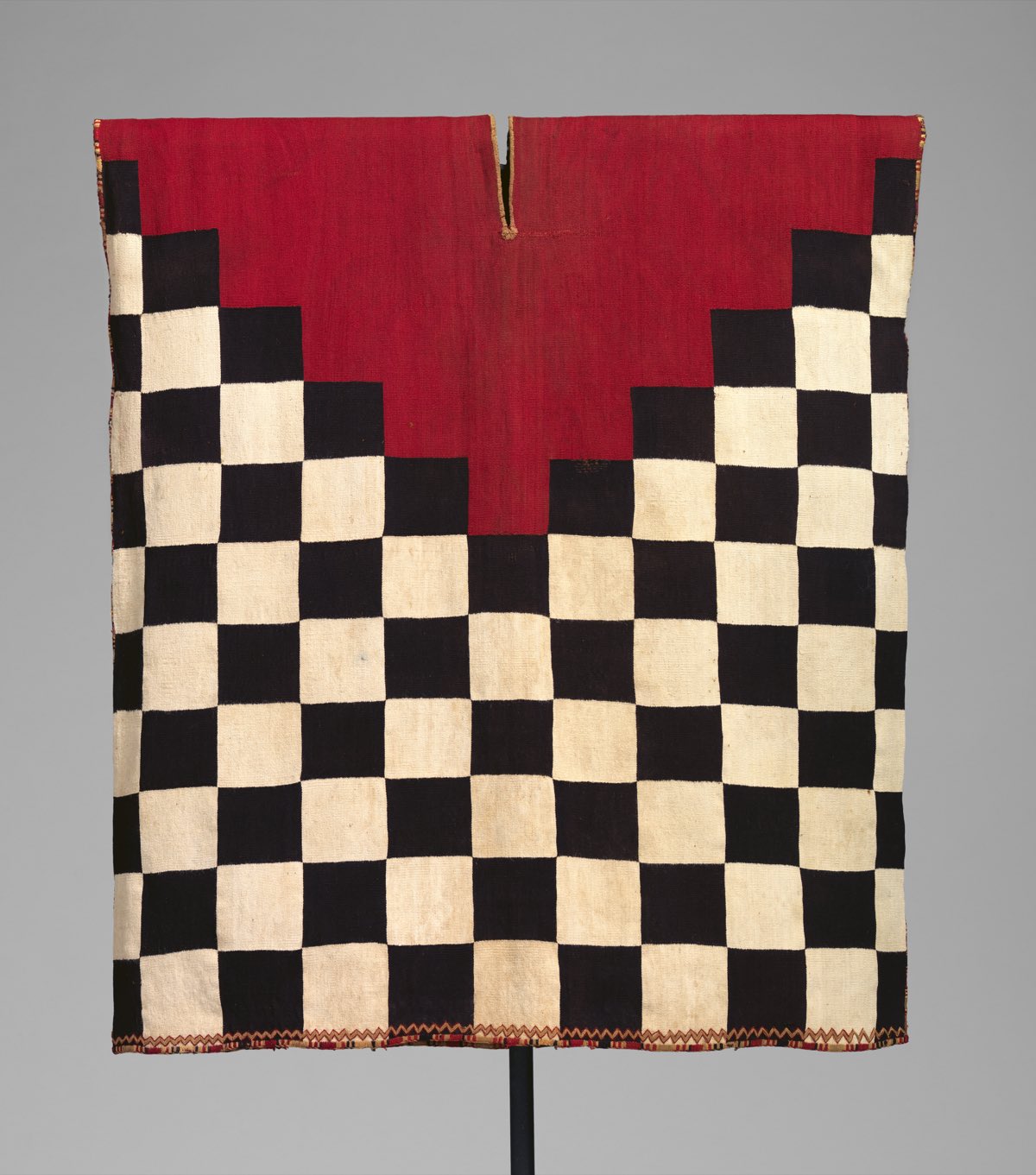
Wari tunics packed hundreds of threads per inch, centuries before the Inca.
This black band tells you what threatens it: the method itself has been lost — no one alive fully knows it. 4 other bands share this color — and this danger.
More than 1,000 years old · Peru (Wari Empire) · Mixed fibers
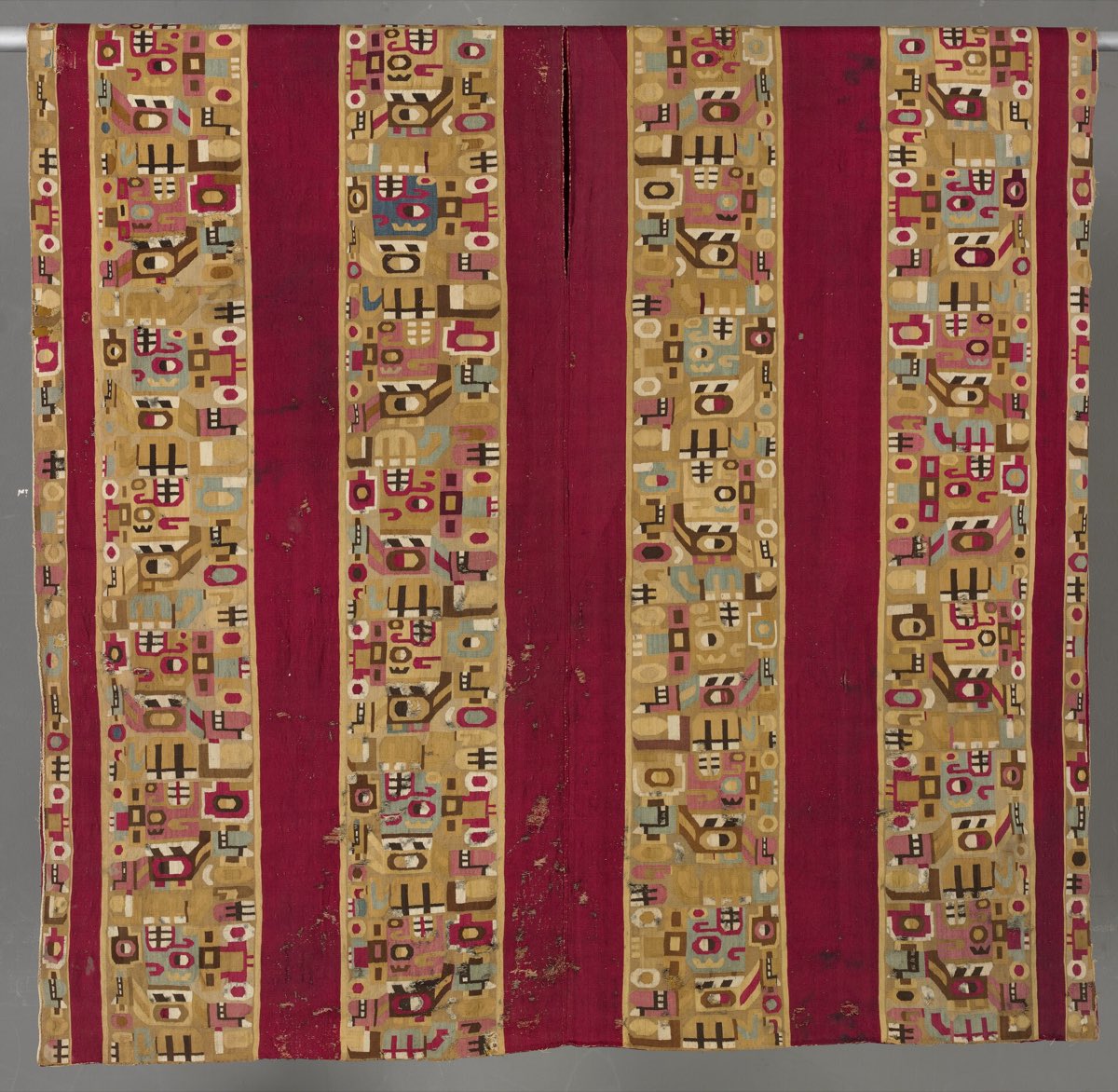
A thousand years before the Inca, weavers of Peru's Wari Empire made tunics so fine they pack hundreds of threads into every inch — dyed alpaca wool worked over cotton in dense tapestry weave. The bold, almost abstract figures woven into them were a language of rank.
This is a lost craft: the Wari state collapsed around 1000 CE and its workshop weaving tradition died with it, surviving only in tunics preserved by the dry Andean coast and held in museum collections.
Urhobo Fiber Rope
Stripe 29 of 59
The band itself, magnified from the rug.
Rope twisted from the wetland erhọ plant in the Niger Delta, now displaced by nylon.
This gold band tells you what threatens it: the factory version is crowding it out. 15 other bands share this color — and this danger.
More than 1,000 years old · Nigeria (Urhobo people) · Plant fiber
The Urhobo people of Nigeria's western Niger Delta twist fiber from raffia and oil palms into strong handmade rope and cord, worked entirely by hand. The same palm fibers are plaited into mats, nets, and the everyday gear of fishing and farming life along the delta's creeks.
Cheap synthetic rope has displaced hand-twisted palm fiber for nearly every working use; the craft survives mostly with older makers in rural communities, with no formal safeguarding program — which is itself part of the risk.
Turkmen Carpetmaking
Stripe 28 of 59
The band itself, magnified from the rug.
Tribal göl medallions knotted into deep-red Turkmen wool.
This gold band tells you what threatens it: the factory version is crowding it out. 15 other bands share this color — and this danger.
More than 1,000 years old · Turkmenistan · Animal fiber
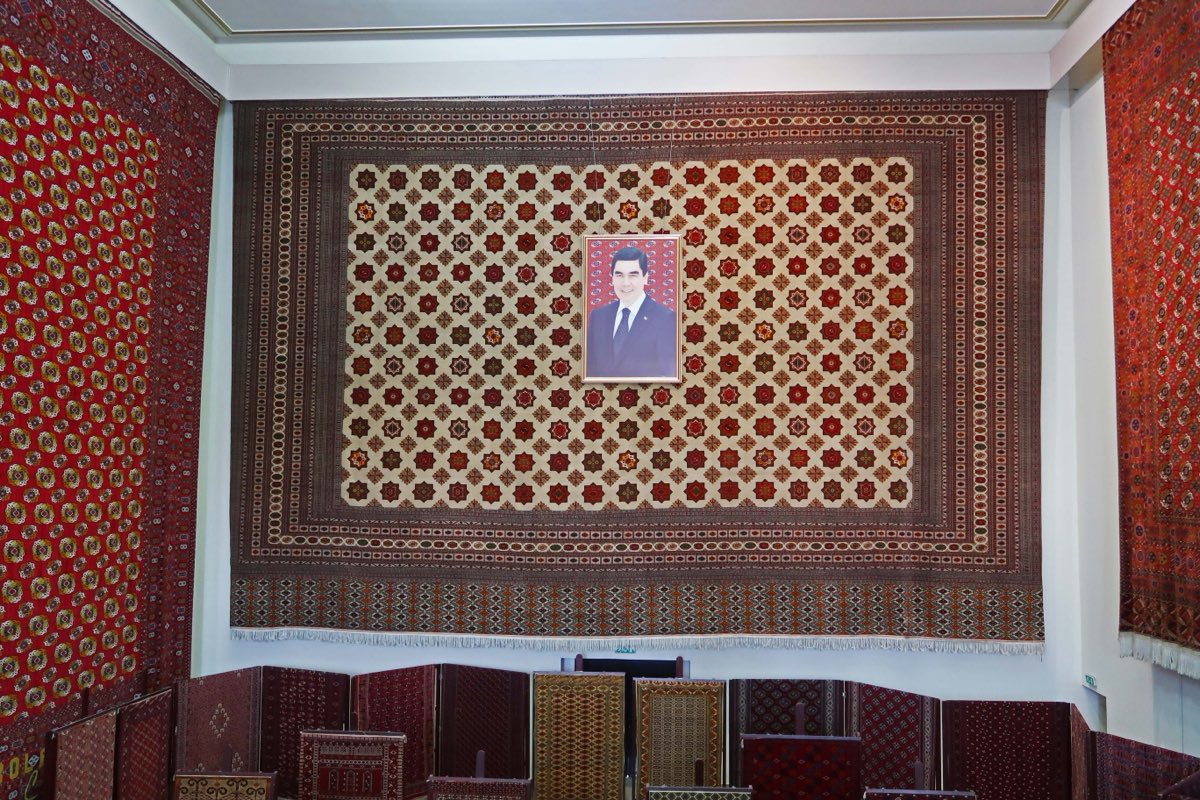
Turkmen women hand-knot dense wool carpets on low looms, working from memory through designs built around the gul — an eight-sided medallion that repeats across the field like a tribal signature. The carpet is so central to Turkmen identity that five tribal guls appear on the national flag.
UNESCO inscribed Turkmen carpet making in 2019; hand-knotting a single carpet takes months of skilled labor, and the tradition is sustained by a shrinking community of weavers competing with machine-made carpets.
Taquile Handcraft
Stripe 27 of 59
The band itself, magnified from the rug.
On Taquile Island, it is the men who knit — from childhood, for life.
This brown band tells you what threatens it: the material it depends on is running out. 2 other bands share this color — and this danger.
More than 1,000 years old · Peru (Taquile Island) · Animal fiber
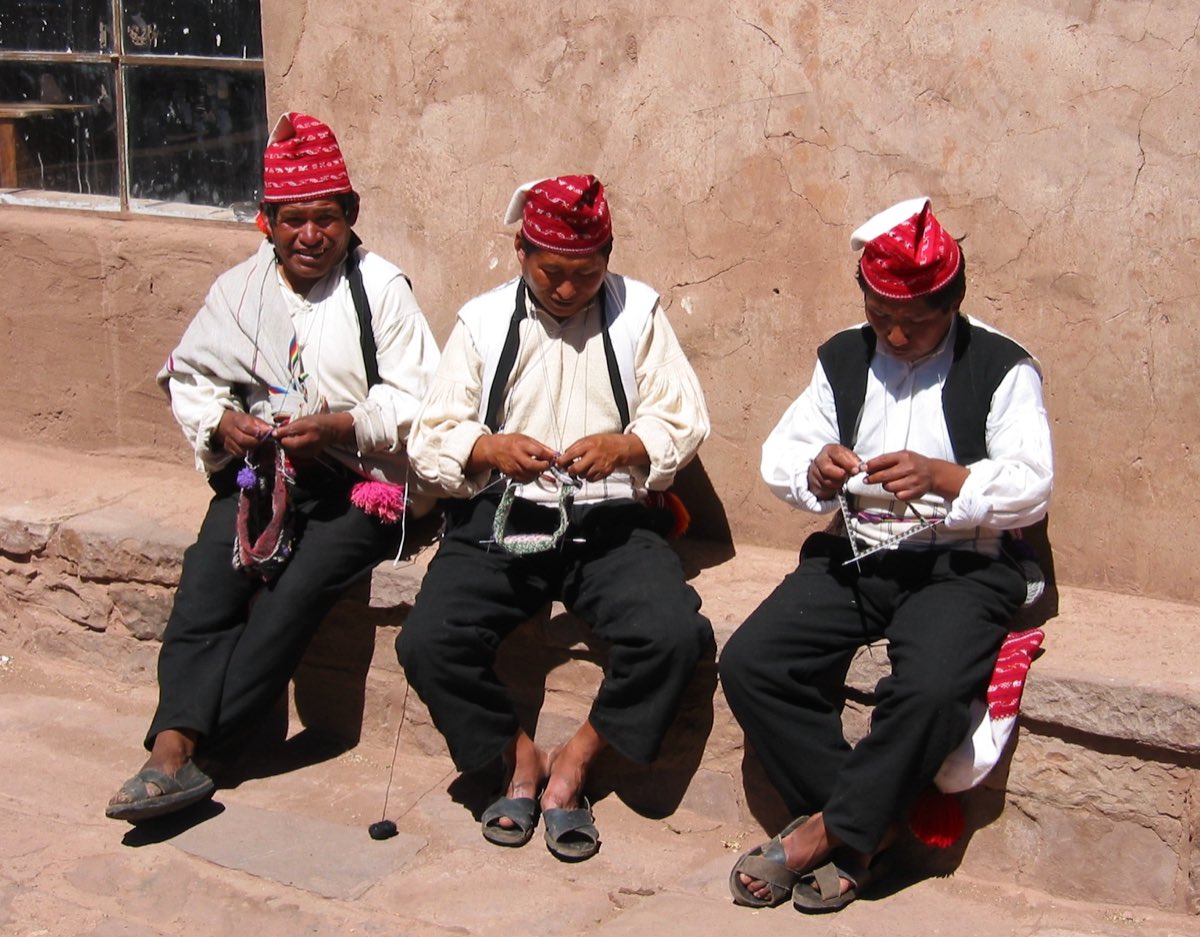
On Taquile Island in Lake Titicaca, it is famously the men who knit: boys learn from childhood to make the tight wool chullo hats whose patterns signal the wearer's age, status, and even marital availability. Women spin the yarn and weave wide storytelling belts, so nearly every islander has a hand in the cloth.
UNESCO inscribed Taquile's textile art in 2008, noting that surging tourism to the small island pressures makers toward faster, cheaper production and strains the community systems that pass the craft on.
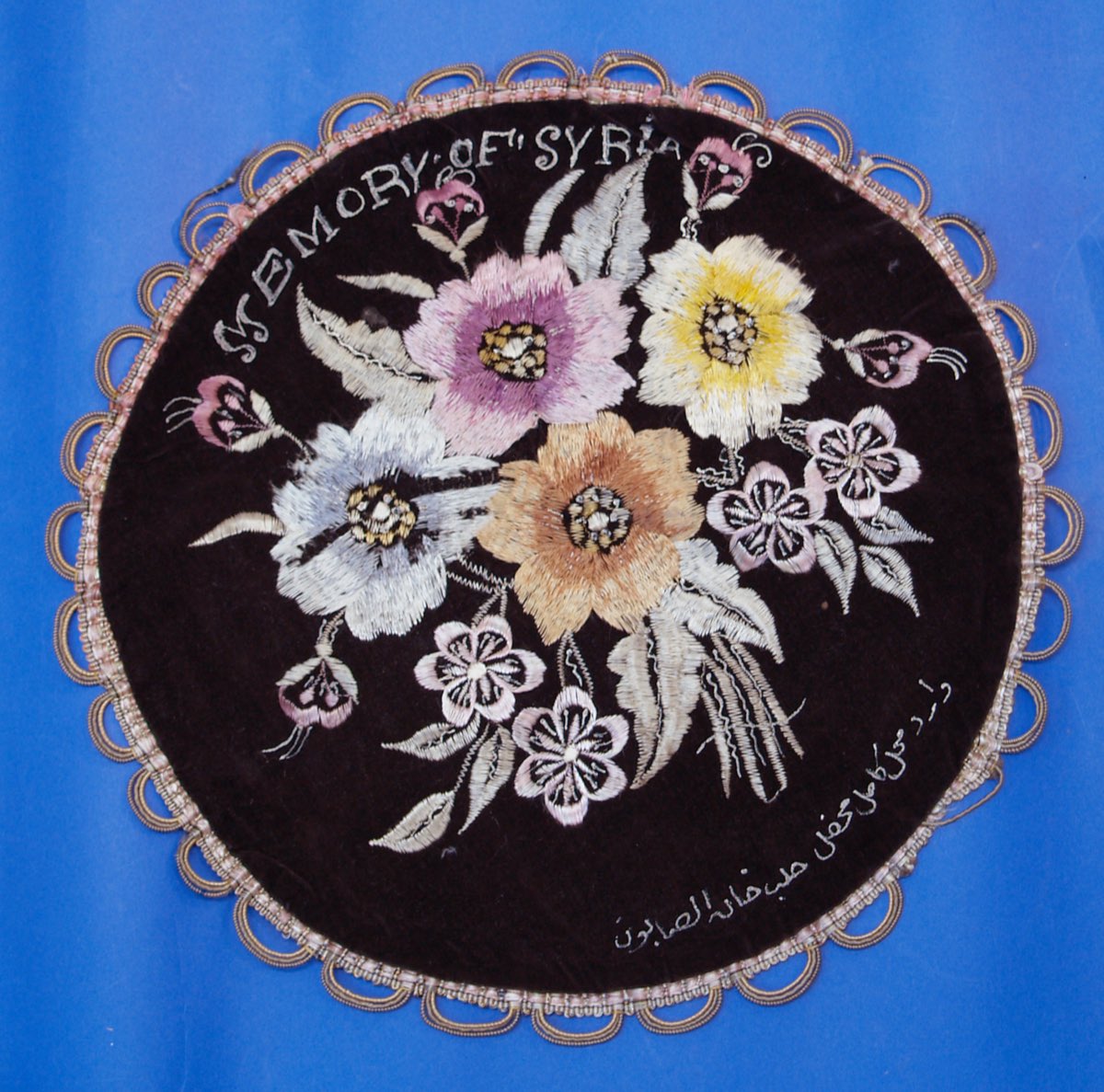
Syrian Tarbit
Stripe 26 of 59
The band itself, magnified from the rug.
Tarbit is Syria's name for ikat: threads tie-dyed into pattern before they ever meet the loom.
This deep-blue band tells you what threatens it: war and upheaval have scattered the people who make it. 2 other bands share this color — and this danger.
More than 1,000 years old · Syria (Aleppo and Homs) · Mixed fibers
Tarbit, better known as aghabani, is the Syrian art of embroidering swirling vines and blossoms in gold, silver, or silky white thread over patterns block-printed onto cotton — most famously for tablecloths and shawls from Aleppo, Homs, and Damascus. Women traditionally received their embroidery machines as part of their dowries.
The Syrian war scattered the craft's practitioners — thousands of women worked aghabani before the conflict — and destroyed workshops, while machine-made imitations undercut the surviving artisans trying to rebuild.
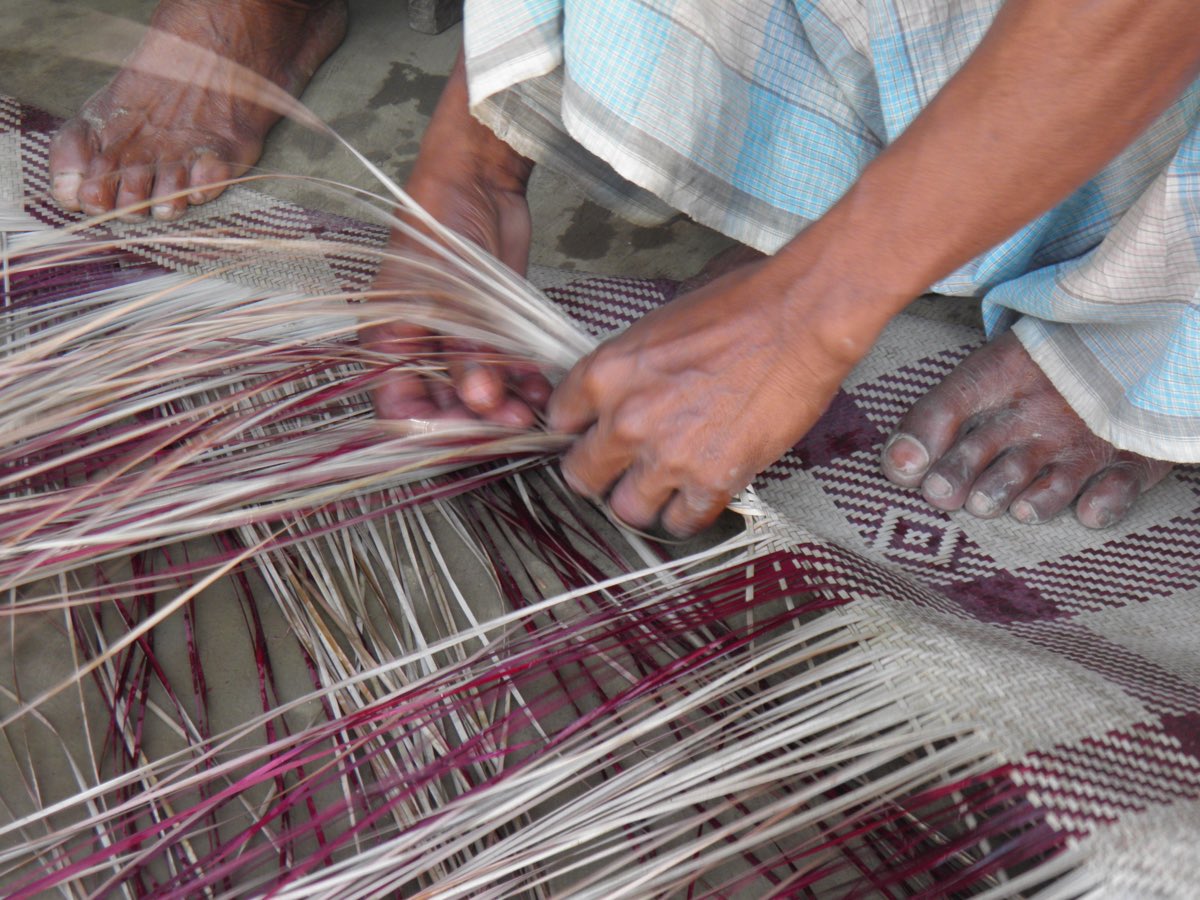
Shital Pati Weaving
Stripe 25 of 59
The band itself, magnified from the rug.
The 'cool mat' of Sylhet, woven from strips of green murta cane.
This brown band tells you what threatens it: the material it depends on is running out. 2 other bands share this color — and this danger.
More than 1,000 years old · Bangladesh (Sylhet) · Plant fiber
Shital pati means “cool mat”: in the wetland villages of greater Sylhet, weavers split green murta cane into fine strips and weave them into mats so smooth and naturally cool that people sleep on them through the summer heat. Women do most of the weaving, passing patterns down within families.
UNESCO inscribed shital pati weaving in 2017, noting it is a livelihood for underprivileged communities that depends on family transmission and a steady supply of murta cane — both under pressure as cheap plastic mats spread.
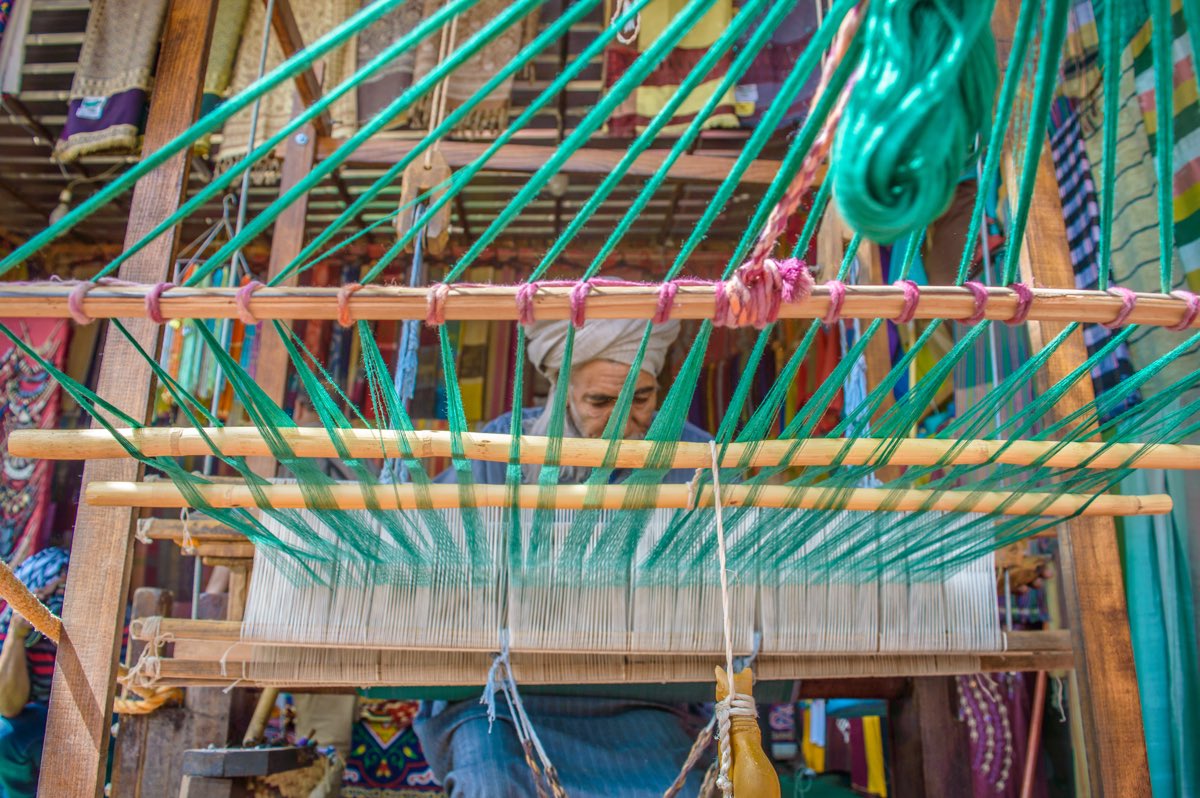
Sa'eed Weaving
Stripe 24 of 59
The band itself, magnified from the rug.
Handloom cloth from Upper Egypt, undercut by factory prices.
This red band tells you what threatens it: the work no longer pays enough to live on. 4 other bands share this color — and this danger.
More than 1,000 years old · Egypt (Upper Egypt) · Plant fiber
In villages along the Nile in Upper Egypt, weavers still make cotton and silk cloth on big wooden floor looms — a skill that traces back in an unbroken line to pharaonic Egypt. Whole families once worked looms at home, turning out bright shawls and fabrics sold across the country.
UNESCO placed Sa'eed handmade weaving on its Urgent Safeguarding List in 2020: the work no longer pays, materials are expensive, home looms need space families no longer have, and transmission to the young has largely broken down.
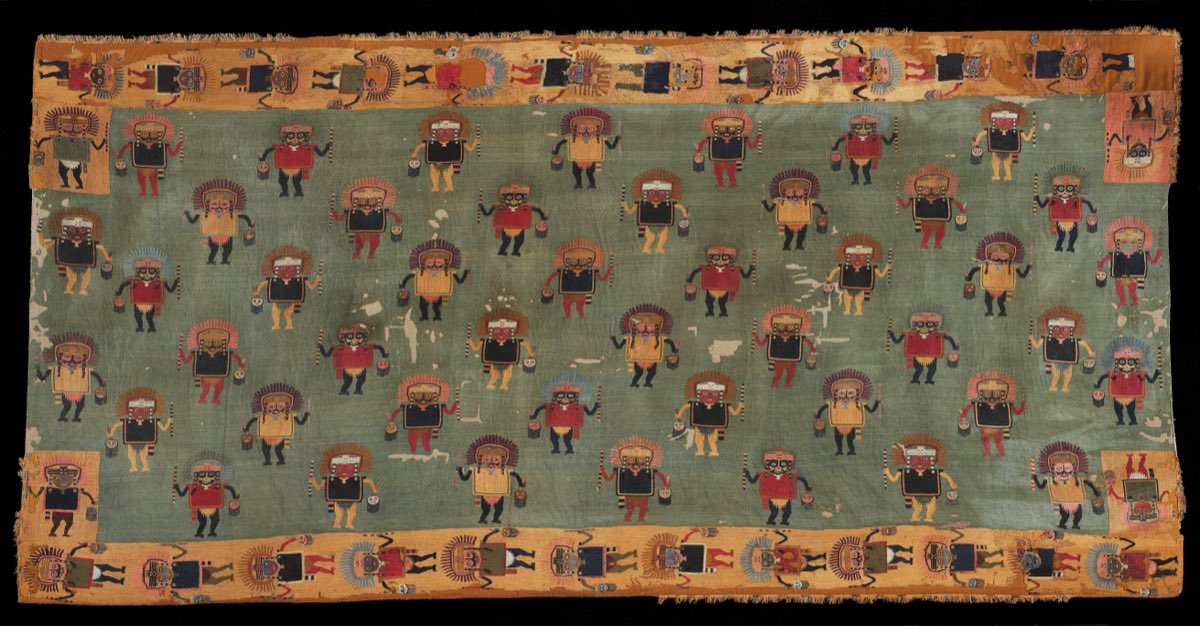
Paracas Textiles
Stripe 23 of 59
The band itself, magnified from the rug.
Embroidered mantles, dense with stitched figures, that wrapped the Paracas dead.
This black band tells you what threatens it: the method itself has been lost — no one alive fully knows it. 4 other bands share this color — and this danger.
More than 1,000 years old · Peru (Paracas culture) · Mixed fibers
More than 2,000 years ago on Peru's desert coast, Paracas embroiderers covered huge ceremonial mantles with thousands of tiny stitches — flying figures, birds, and cats in brilliantly dyed alpaca and llama wool. The finest mantles were wrapped in layers around the honored dead, which is why the dry desert preserved them almost perfectly.
This is a lost craft, not a fading one: the Paracas culture dispersed around 200 CE, and the tradition survives only in museum pieces, most excavated from the Paracas Necropolis burials in the 1920s.
Ojiya-chijimi, Echigo-jofu
Stripe 22 of 59
The band itself, magnified from the rug.
Fine ramie, woven in snow country and bleached on spring snowfields.
This light-blue band tells you what threatens it: its makers are growing old, and too few are learning it after them. 24 other bands share this color — and this danger.
More than 1,000 years old · Japan (Niigata) · Plant fiber
In Japan's snowiest region, weavers in Niigata split ramie fiber with their fingernails, hand-twist it into gossamer thread, and weave a crisp, airy crepe long prized for summer kimono. Finished bolts are spread across snowfields, where sunlight and ozone rising off the melting snow naturally bleach the cloth.
UNESCO inscribed Ojiya-chijimi and Echigo-jofu in 2009, noting the fully hand-done techniques are practiced mainly by older craftspeople, putting transmission at risk.
Nasca Cross-Looping
Stripe 21 of 59
The band itself, magnified from the rug.
Needle-looped figures from the Nasca desert, two thousand years old.
This light-blue band tells you what threatens it: its makers are growing old, and too few are learning it after them. 24 other bands share this color — and this danger.
More than 1,000 years old · Peru (Nasca culture) · Animal fiber
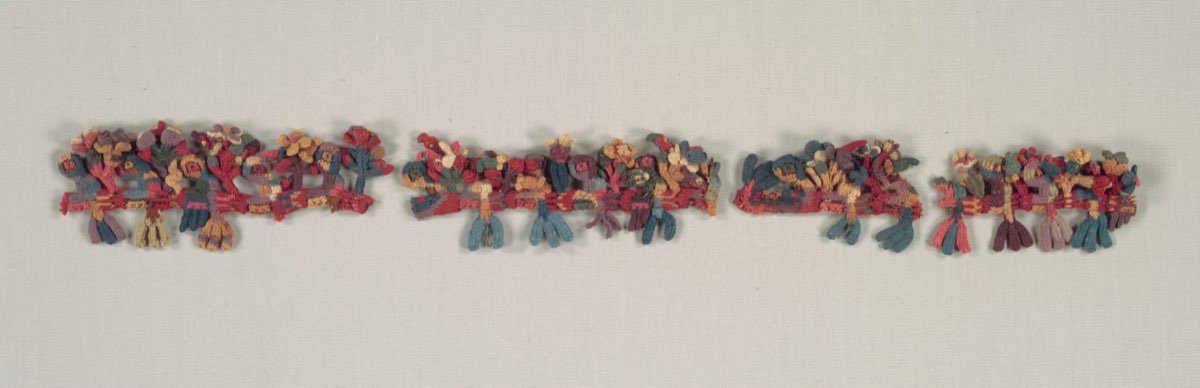
Cross-looping is a needle technique mastered by the Nasca people of Peru's south coast around 2,000 years ago. Using only a needle and brightly dyed camelid yarn — no loom at all — they built tiny three-dimensional birds, flowers, and figures, loop by loop, into sculptural borders for ceremonial mantles.
This is a lost craft of a civilization that faded around 600–700 CE; it survives only in archaeological textiles preserved by Peru's desert climate and held in museum collections.
Nanjing Yunjin Brocade
Stripe 20 of 59
The band itself, magnified from the rug.
Cloud brocade of silk and gold thread, woven by two artisans on one giant loom.
This gold band tells you what threatens it: the factory version is crowding it out. 15 other bands share this color — and this danger.
More than 1,000 years old · China (Nanjing) · Animal fiber
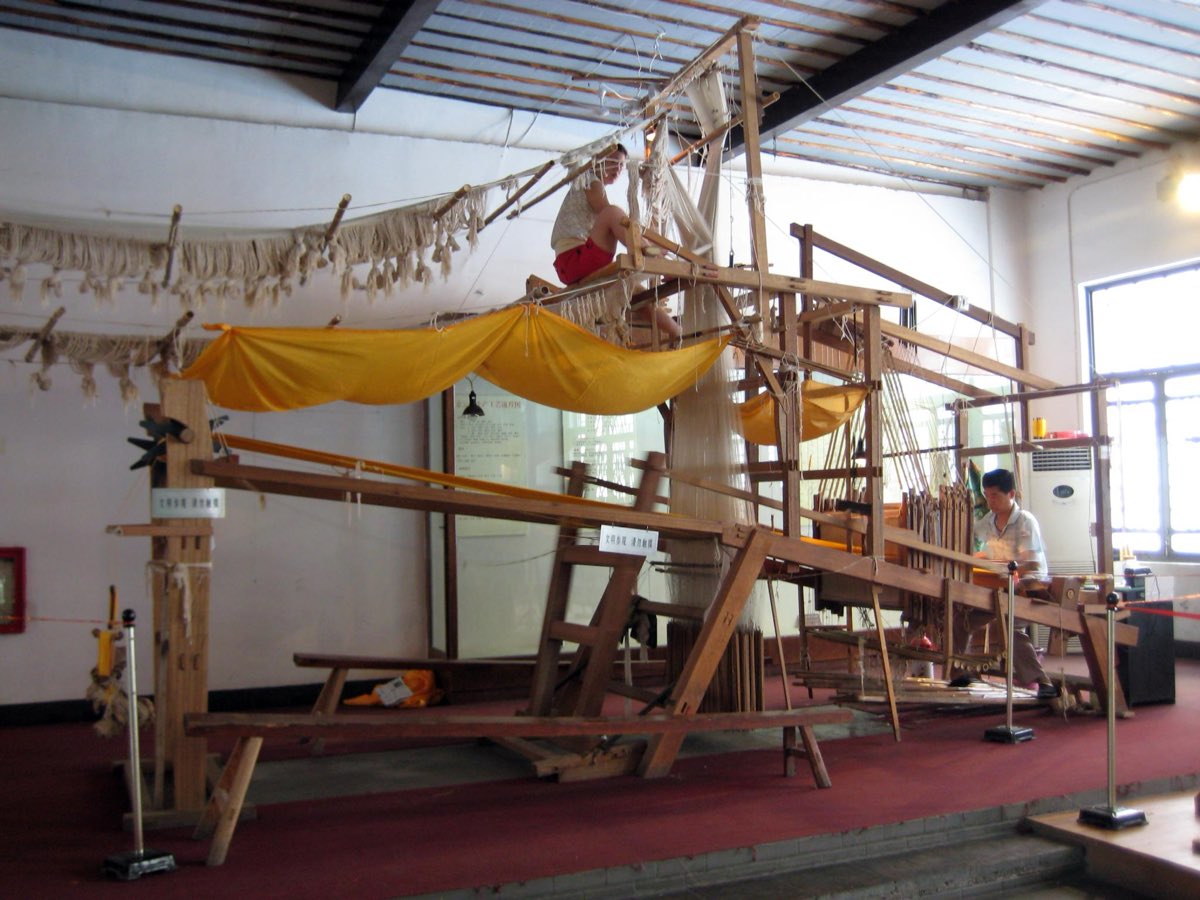
Yunjin — “cloud brocade” — is a silk woven in Nanjing for over 1,500 years, once reserved for imperial robes. Two weavers run a single giant wooden drawloom: one perched on top lifting the pattern threads, one below throwing the shuttle, weaving silk together with real gold thread and even peacock-feather yarn.
UNESCO inscribed Yunjin in 2009. The pattern-lifting has never been fully mechanized — every figured design still needs two coordinated artisans and more than a hundred hand procedures, so the skill survives only through long apprenticeship.
Nålebinding
Stripe 19 of 59
The band itself, magnified from the rug.
A single-needle stitch older than knitting itself.
This red band tells you what threatens it: the work no longer pays enough to live on. 4 other bands share this color — and this danger.
More than 1,000 years old · Scandinavia · Animal fiber
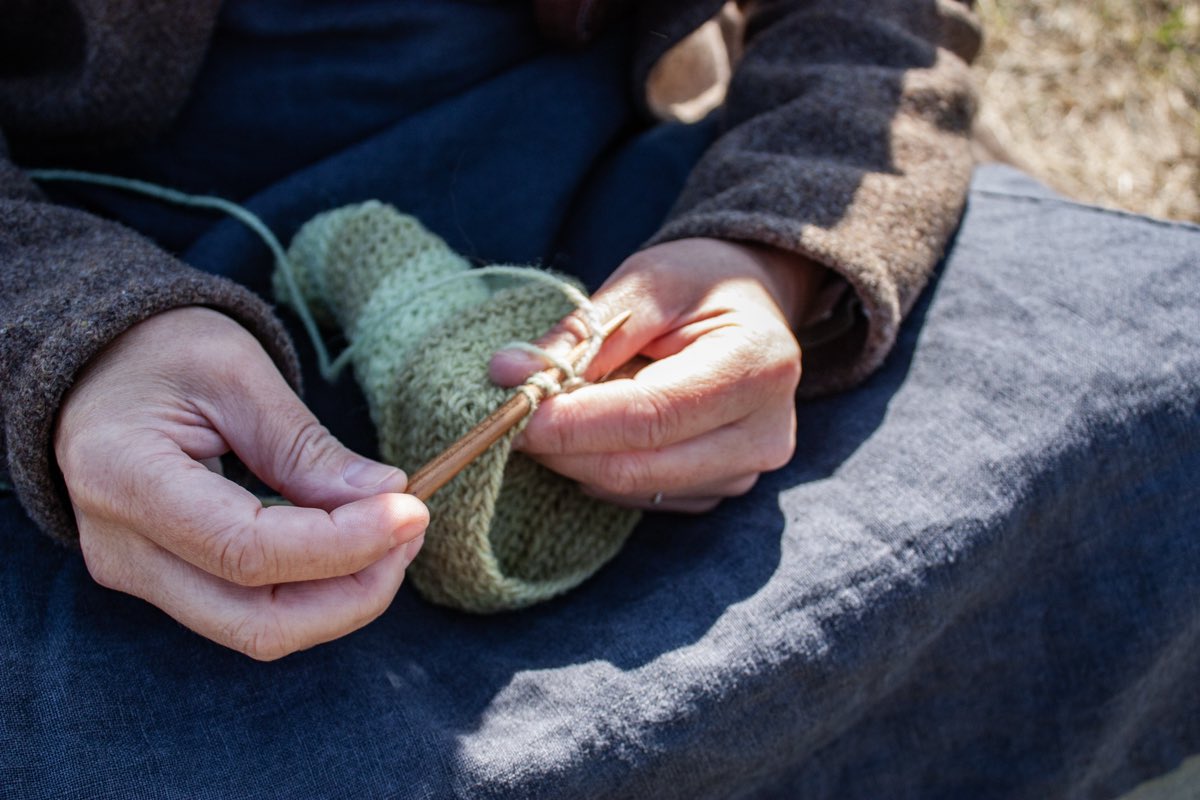
Nålebinding makes fabric with nothing but a single short needle and lengths of yarn, looping each stitch through the last by hand. Older than knitting itself, it kept Viking-age Scandinavians in warm, almost unraveling-proof socks and mittens.
Knitting — faster and easier to learn — displaced it almost entirely; it survived in pockets of rural Scandinavia and Finland and is kept alive today mainly by museums and a small community of heritage makers.
Mosi Fine Ramie Weaving
Stripe 18 of 59
The band itself, magnified from the rug.
Hansan mosi — summer cloth woven from ramie fine enough to cool the skin.
This light-blue band tells you what threatens it: its makers are growing old, and too few are learning it after them. 24 other bands share this color — and this danger.
More than 1,000 years old · South Korea (Hansan) · Plant fiber
Hansan mosi is a featherweight, faintly translucent cloth woven from the ramie plant on South Korea's west coast, prized for summer clothing that stays cool against the skin. Making it is slow, bodily work: women split the fibers with their teeth, twist them against their thighs, and weave on a traditional loom — a fine bolt can take months.
UNESCO inscribed Hansan mosi weaving in 2011; the craft survives among roughly 500 practitioners, mostly older women in Seocheon county, as industrial fabrics displaced hand-woven ramie.
Li Textile Techniques
Stripe 17 of 59
The band itself, magnified from the rug.
Hainan's Li women weave patterns read entirely from memory.
This light-blue band tells you what threatens it: its makers are growing old, and too few are learning it after them. 24 other bands share this color — and this danger.
More than 1,000 years old · China (Hainan, Li people) · Plant fiber
Li women on China's Hainan island turn homegrown cotton into vividly patterned cloth using little more than their own bodies — the loom is a handful of sticks strapped to the weaver's waist and braced with her feet, and every design is carried in memory. The tradition bundles spinning, plant dyeing, weaving, and a double-faced embroidery worked identically on both sides.
When UNESCO listed the techniques as urgently endangered in 2009, fewer than 1,000 women still mastered them — down from some 50,000 mid-century. A sustained revival let UNESCO move the craft off the urgent list in 2024; it still rests on a small community of weavers.
Kyrgyz Felt Carpets
Stripe 16 of 59
The band itself, magnified from the rug.
Shyrdak felt mosaics, cut and mirrored — on UNESCO's urgent list.
This light-blue band tells you what threatens it: its makers are growing old, and too few are learning it after them. 24 other bands share this color — and this danger.
More than 1,000 years old · Kyrgyzstan · Animal fiber
Kyrgyz women make shyrdak carpets by stacking two layers of dyed wool felt, cutting a bold scroll pattern through both at once, then swapping the cutouts and stitching them back — so every carpet has a color-reversed twin and no felt is wasted. The older sister craft, ala-kiyiz, presses the design straight into wet wool.
UNESCO placed both on its Urgent Safeguarding List in 2012, noting most remaining makers were over 40 and that cheap synthetic carpets and shrinking wool supplies were pushing the craft toward disappearance.
Kelaghayi Weaving
Stripe 15 of 59
The band itself, magnified from the rug.
Azerbaijan's silk kelaghayi — a scarf patterned with hot wax-resist stamps.
This light-blue band tells you what threatens it: its makers are growing old, and too few are learning it after them. 24 other bands share this color — and this danger.
More than 1,000 years old · Azerbaijan · Animal fiber
A kelaghayi is a square silk headscarf made in Azerbaijan: the silk is woven and boiled soft, dyed with plant dyes, and patterned by pressing carved wooden stamps dipped in hot rosin-and-paraffin wax so the marks resist the dye. The colors and motifs form a quiet language — particular shades signal weddings, mourning, everyday life.
UNESCO inscribed kelaghayi making in 2014, recording that the craft survives mainly in just two places — Sheki and the settlement of Basqal — and passes only through informal apprenticeship within families.
Izote Fiber
Stripe 14 of 59
The band itself, magnified from the rug.
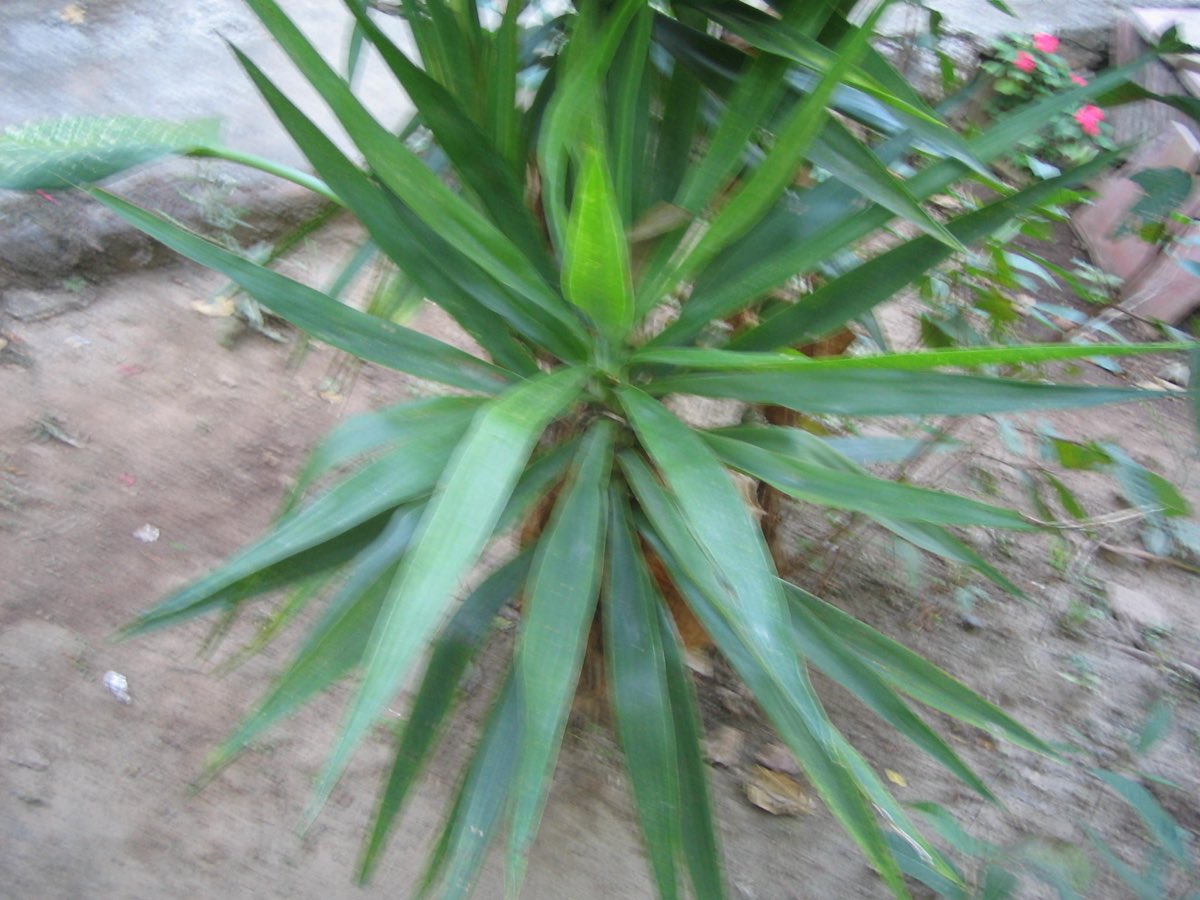
Yucca leaves stripped and twisted into cord for bags, rope and baskets.
This light-blue band tells you what threatens it: its makers are growing old, and too few are learning it after them. 24 other bands share this color — and this danger.
More than 1,000 years old · El Salvador · Plant fiber
The izote is the spiky-leaved yucca that serves as El Salvador's national flower — and it gives more than its edible blossoms: its long, tough leaves scrape down to a fiber that twists into strong rope and twine. It's a dooryard craft, not a workshop trade.
Hand-twisted plant-fiber cordage across Central America has been almost entirely displaced by cheap synthetic rope; izote cordage survives mainly in scattered rural practice, with almost no formal documentation — part of why it's so easy to lose.
Indonesian Batik
Stripe 13 of 59
The band itself, magnified from the rug.
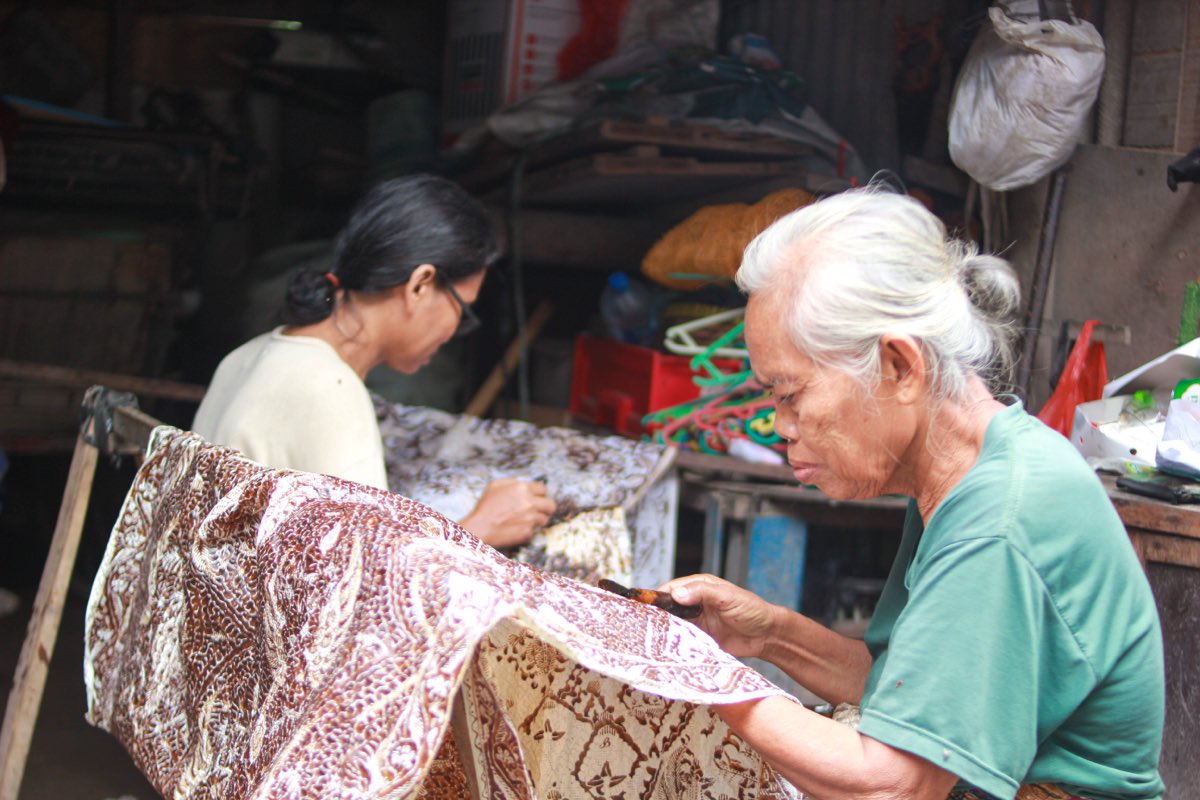
Wax-drawn patterns with a meaning for every stage of life.
This gold band tells you what threatens it: the factory version is crowding it out. 15 other bands share this color — and this danger.
More than 1,000 years old · Indonesia · Plant fiber
Batik artists draw on cloth with hot wax flowing from a small copper pen called a canting, then dip the fabric in dye — wherever the wax sits, the color can't reach. Layer by layer, the patterns build meanings Indonesians wear for births, weddings, and mourning.
UNESCO listed Indonesian batik in 2009, the same year it recognized a training program created because master craftspeople were aging and hand-drawn batik was losing ground to cheap printed imitations.
Inca Cumbi
Stripe 12 of 59
The band itself, magnified from the rug.
Cloth so fine it was reserved for Inca royalty — never fully replicated.
This black band tells you what threatens it: the method itself has been lost — no one alive fully knows it. 4 other bands share this color — and this danger.
More than 1,000 years old · Peru (Inca Empire) · Animal fiber
Cumbi was the finest cloth of the Inca Empire — tapestry weave from alpaca and vicuña fiber so dense the best surviving pieces hold around a hundred weft threads in a single centimeter. Woven by dedicated specialists for the emperor and the gods, a cumbi tunic announced who you were before you spoke.
Cumbi depended on an imperial system of specialist weavers that collapsed with the Spanish conquest in the 16th century; the craft in its imperial form was lost, and what remains are tunics preserved in museum collections.
Ikat
Stripe 11 of 59
The band itself, magnified from the rug.
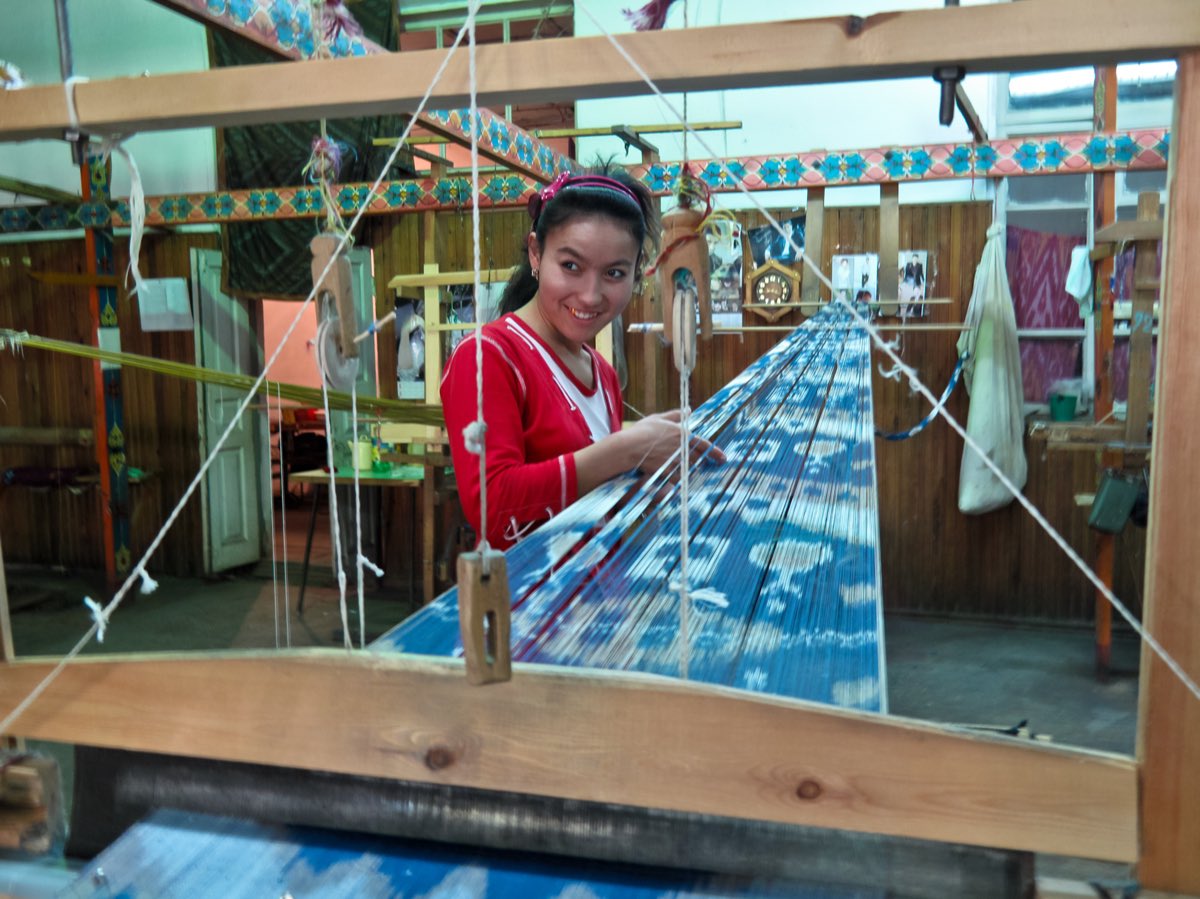
Threads dyed before the loom — the pattern lives in the yarn itself.
This light-blue band tells you what threatens it: its makers are growing old, and too few are learning it after them. 24 other bands share this color — and this danger.
More than 1,000 years old · Central & Southeast Asia · Mixed fibers
Ikat reverses the usual order of textile-making: the threads are tie-dyed into a pattern before they ever touch the loom, so the design emerges — with its signature softly blurred edges — only as the cloth is woven. Versions stretch from Uzbekistan's silk atlas to the story-cloths of Indonesia's islands.
In Uzbekistan the tradition came close enough to disappearing that UNESCO recognized the Margilan revival effort in 2017; everywhere, hand-tied cloth competes with cheap printed copies of its own patterns.
Fars Carpet Weaving
Stripe 10 of 59
The band itself, magnified from the rug.
Fars carpets woven without a drawing — the pattern lives in the weaver's mind.
This gold band tells you what threatens it: the factory version is crowding it out. 15 other bands share this color — and this danger.
More than 1,000 years old · Iran (Fars Province) · Animal fiber
In Iran's Fars Province, weavers from Qashqai and other nomadic communities make wool carpets on simple ground looms — shearing the sheep, spinning the yarn, and dyeing it with plants themselves. They weave entirely from memory and imagination: no drawing exists, and no carpet is ever woven twice.
UNESCO inscribed Fars carpet weaving in 2010, noting the skills pass only through long apprenticeships within nomadic families; as fewer families sustain the migratory life, fewer daughters are at the loom to learn.
Egyptian Pleating
Stripe 9 of 59
The band itself, magnified from the rug.
The pharaohs' linen was pleated by a method no one has fully recovered.
This black band tells you what threatens it: the method itself has been lost — no one alive fully knows it. 4 other bands share this color — and this danger.
Ancient Egyptian craftspeople pressed fine linen into rows of crisp, narrow pleats that made garments shimmer and drape — a hallmark of royal dress for millennia. The tools and methods that set such durable, even pleats in plant fiber were never fully recorded.
This is a lost technique rather than a living tradition: it survives only through garments preserved in museum collections, and conservators reconstruct the method from the artifacts themselves.
Dumbara Ratā Kalāla
Stripe 8 of 59
The band itself, magnified from the rug.
Sri Lanka's Dumbara mats, woven from hana fiber in two hill villages.
This light-blue band tells you what threatens it: its makers are growing old, and too few are learning it after them. 24 other bands share this color — and this danger.
More than 1,000 years old · Sri Lanka · Plant fiber
Dumbara rata kalala are densely woven mats and hangings from the hill country around Kandy, Sri Lanka, worked from hana fiber on a simple horizontal loom. Weavers build bold geometric and animal motifs row by row, in a tradition held by a single hereditary community of artisans.
The tradition survives in only a handful of families in two hill villages, with dwindling fiber supply, low pay, and few young people learning the technique.
Curagua Cultivation
Stripe 7 of 59
The band itself, magnified from the rug.
A bromeliad whose leaves yield thread famously strong — and famously hard to win.
This light-blue band tells you what threatens it: its makers are growing old, and too few are learning it after them. 24 other bands share this color — and this danger.
More than 1,000 years old · Venezuela · Plant fiber
Curagua is a pineapple relative grown in the dry plains around Aguasay, Venezuela, whose long leaves are scraped down to a silky, unusually strong white fiber. Families harvest the leaves by hand and spin the fiber into thread for hammocks, nets, and fine handwoven goods.
UNESCO placed curagua knowledge on its Urgent Safeguarding List in 2015, citing very few remaining practitioners, the labor-intensive hand process, and younger generations leaving for other work.
Choctaw Textiles
Stripe 6 of 59
The band itself, magnified from the rug.
Choctaw weavers turn swamp cane and plant fibers into baskets and woven goods.
This deep-blue band tells you what threatens it: war and upheaval have scattered the people who make it. 2 other bands share this color — and this danger.
More than 1,000 years old · Southeastern United States (Choctaw Nation) · Plant fiber
Choctaw weavers split swamp cane — a native river bamboo — into thin, flexible strips, dye them, and weave them into baskets sturdy enough to haul, sift, and store a household's corn. The finest are double-weave: one basket woven continuously inside another, patterned on both faces.
Around 98 percent of America's rivercane has been lost to agriculture and development since European settlement, so weavers struggle to find usable cane — and in some Choctaw communities only a couple of weavers remain.
Chinese Sericulture
Stripe 5 of 59
The band itself, magnified from the rug.
Thousands of years of silk-making, from mulberry leaf to finished thread.
This pale band tells you what threatens it: its communities have had to move away from the craft. 1 other band shares this color — and this danger.
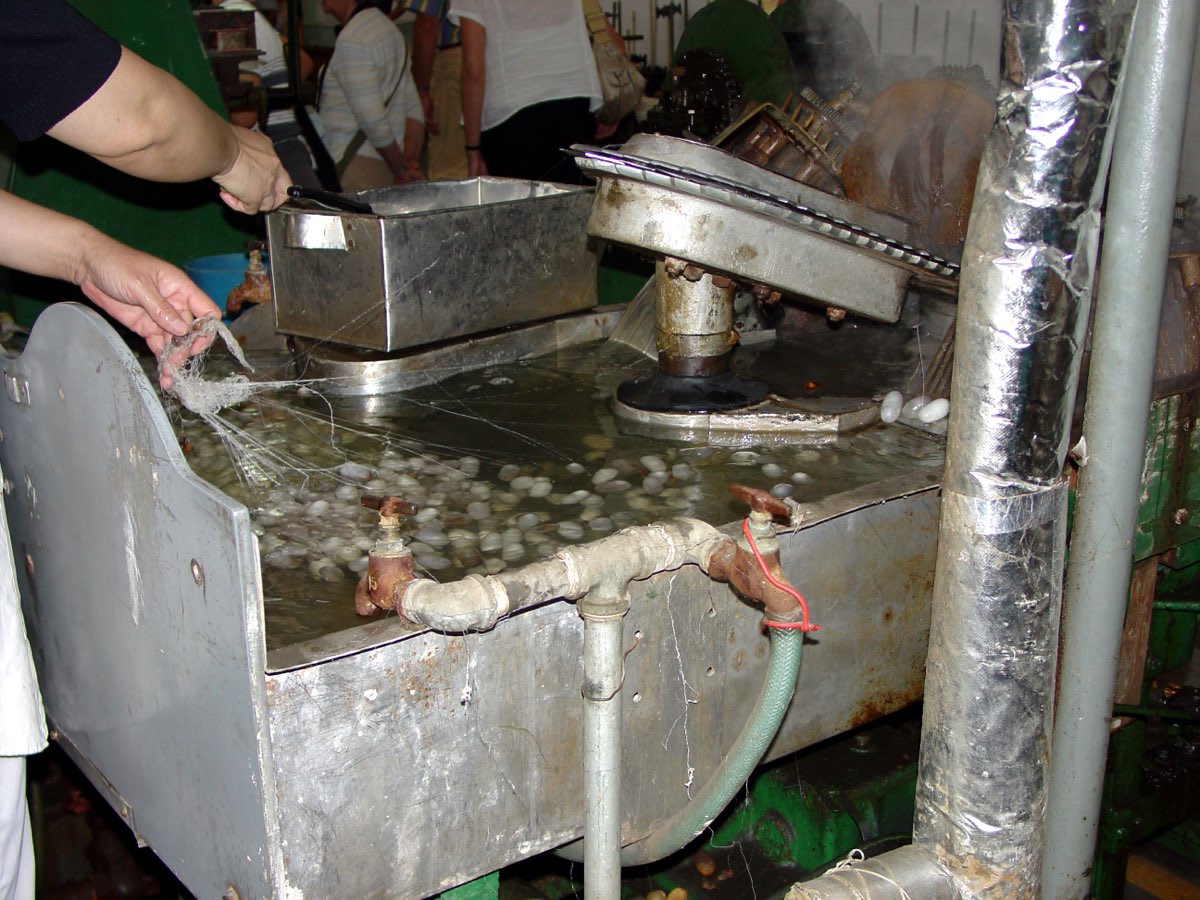
Sericulture is the ancient Chinese craft of raising silkworms on mulberry leaves, then unwinding their cocoons into shimmering thread — a single cocoon can hold nearly a kilometer of silk. Families in the lower Yangzi region have passed down the full cycle for thousands of years.
UNESCO listed China's sericulture and silk craftsmanship in 2009; industrial production and migration to cities have left fewer rural households carrying on the hands-on cycle.
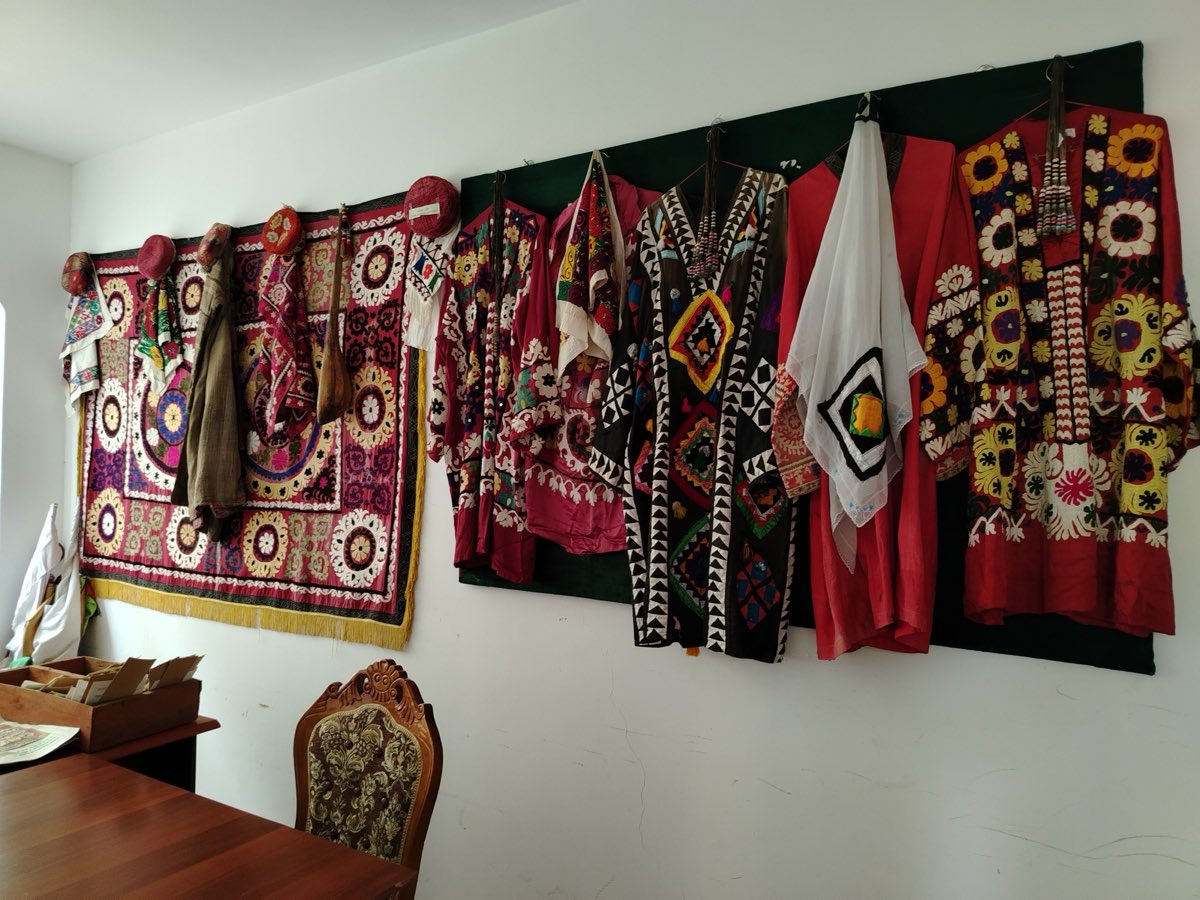
Chakan is the bold, joyful embroidery of southern Tajikistan: women stitch suns, flowers, and paired peacocks in brilliant colored thread across cotton and silk. The designs cover bridal dresses, skullcaps, curtains, and cradle covers, and each motif carries a wish for the household.
UNESCO inscribed chakan in 2018; the art passes from mothers and grandmothers to girls by hand, a chain that safeguarding programs now support as mass-produced clothing displaces hand embroidery.
Azerbaijani Carpet
Stripe 3 of 59
The band itself, magnified from the rug.
Woven through the winter by mothers and daughters — patterns passed on by hand and memory.
This gold band tells you what threatens it: the factory version is crowding it out. 15 other bands share this color — and this danger.
More than 1,000 years old · Azerbaijan · Animal fiber
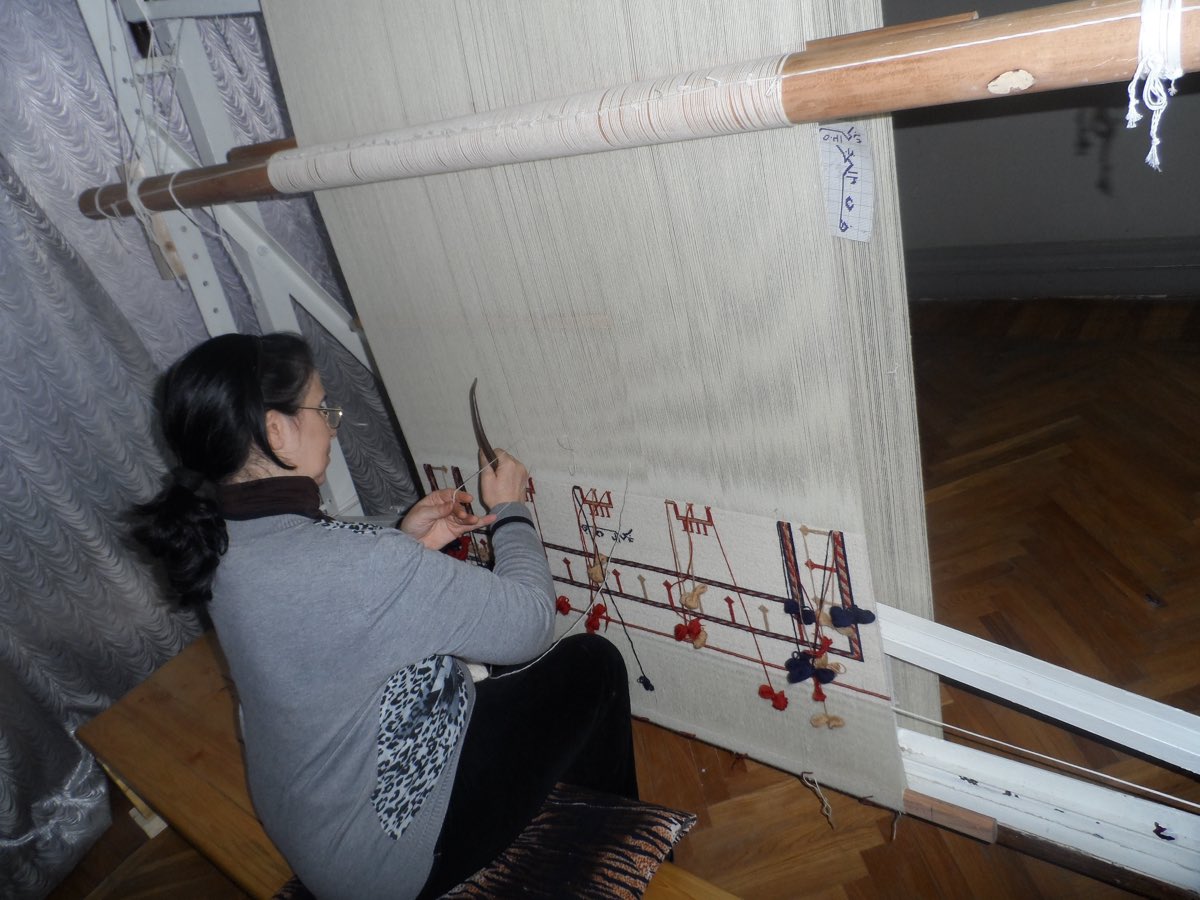
In Azerbaijan, carpets are still woven by hand on upright looms, knot by knot, often by women working side by side. Every region has its own signature patterns, and a finished carpet marks life's big moments — a birth, a wedding, a gift of honor.
UNESCO inscribed Azerbaijani carpet weaving in 2010 as hand-weaving lost ground to machine-made production, with fewer young weavers learning the craft.
Al Sadu Weaving
Stripe 2 of 59
The band itself, magnified from the rug.
Bedouin weavers turning desert wool into geometry — few masters remain.
This pale band tells you what threatens it: its communities have had to move away from the craft. 1 other band shares this color — and this danger.
More than 1,000 years old · Kuwait & the Arabian Peninsula (Bedouin) · Animal fiber
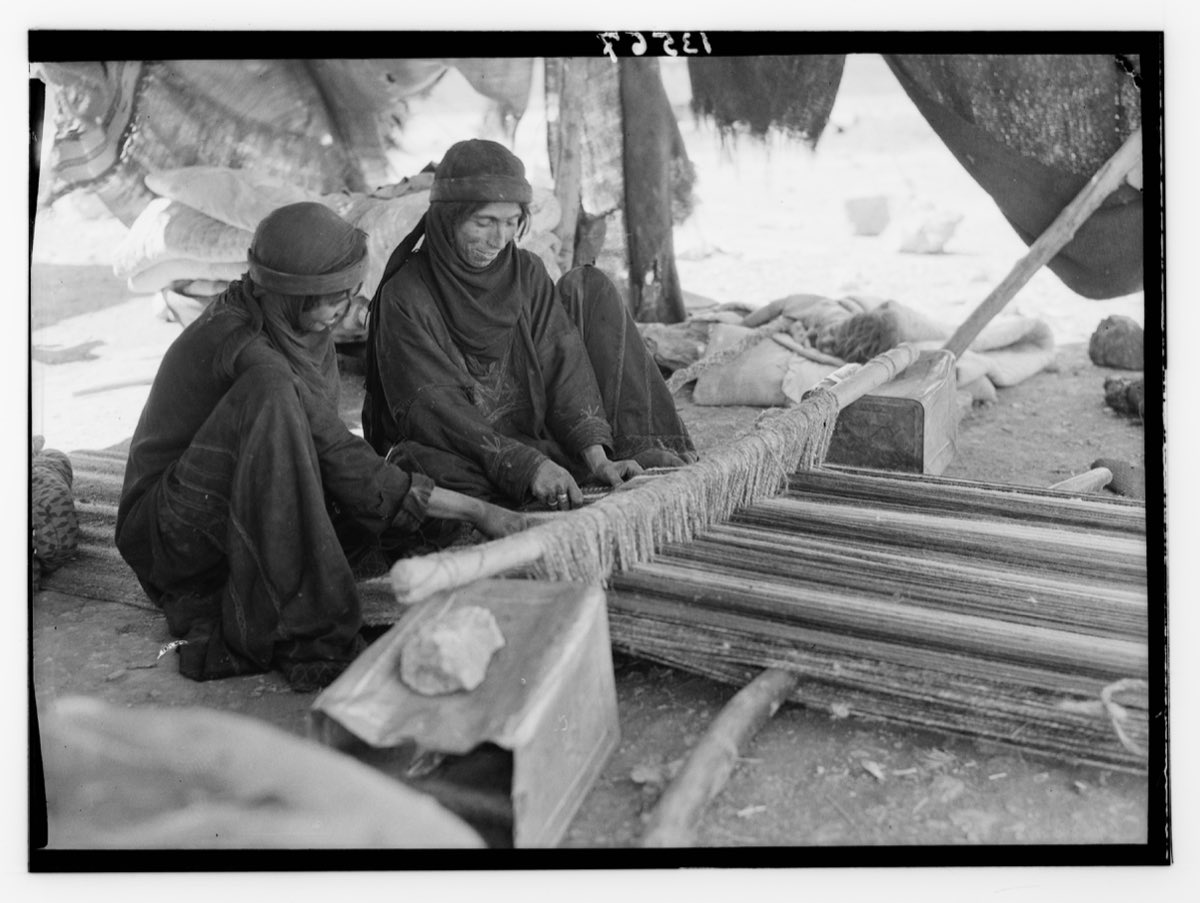
Al Sadu is the Bedouin art of weaving sheep, goat, and camel wool on a loom staked low to the desert floor — tight geometric bands in deep reds, blacks, and whites. Women wove the fabric of nomadic life itself: tents, rugs, cushions, camel trappings.
UNESCO listed Al Sadu in 2020 because settled urban life has dissolved the nomadic world the weave once equipped, and few young women now learn it.
Abenaki Milkweed Textiles
Stripe 1 of 59
The band itself, magnified from the rug.
Cordage and twined bags worked from milkweed-stalk fiber — an Abenaki art kept alive today.
This deep-blue band tells you what threatens it: war and upheaval have scattered the people who make it. 2 other bands share this color — and this danger.
More than 1,000 years old · Northeastern North America (Abenaki Nation) · Plant fiber
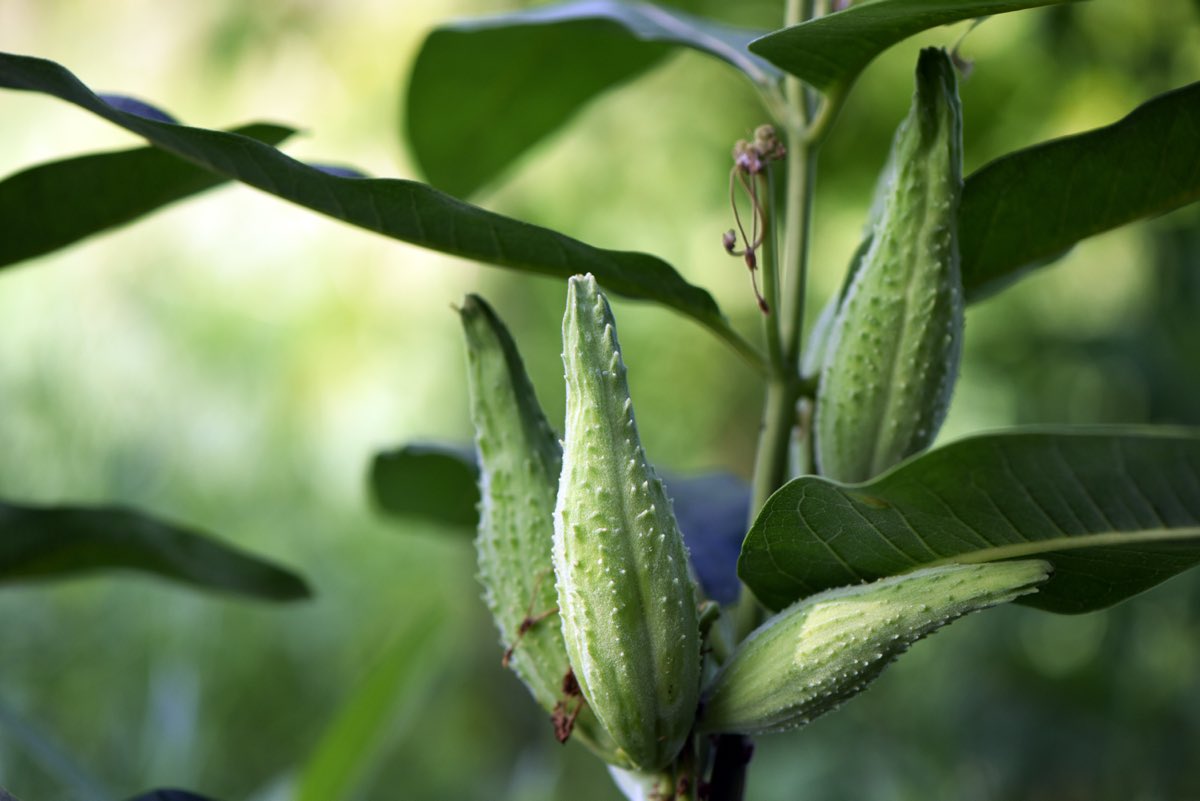
For thousands of years, Abenaki families turned the silky inner fibers of milkweed stalks into string, rolling the strands against the thigh and twisting them into strong cordage. That string was then twined — a finger-weaving technique older than the loom — into market bags, pouches, and clothing.
Colonization and cheap manufactured cloth nearly erased the practice; the knowledge survived in only a few families, and a small number of Abenaki fiber artists keep the twining tradition alive today.
Three to start with
0 of 59 read
Names, order, threat, and age are read from the rug's printed key, which ships with every rug; origins and fibers are drawn from UNESCO and craft-heritage records. The key also encodes each stripe's reach — its level of threat.
Color = the danger
Each color names what threatens a craft — aging makers, war, poor pay, a lost method, the factory, scarce material, or migration.
Aging practitioners
Conflict
Lack of compensation
Lost technique
Mass production
Material shortage
Migration
Reach = the urgency
The farther a band stretches across the rug, the closer that craft is to being lost.
Thin lines = the age
Count the thin lines for age — three means the craft is more than a thousand years old.
Shaded lines = the fiber
Shaded lines tell you what it's made from: plant, animal, or both.
White bars = the place
White bars place the craft on the map, from South America to Africa.
Every rug ships with its key.
A printed card comes with the rug: the front teaches the five signals, the back lists all 59 techniques in the order they appear in the weave. The decoder above is its on-screen twin.
Work like this usually lives behind glass. This one brings the story into the room, where you can read it every day. That's the whole point.
Fifty-nine conversation starters
Guests will ask about it — and you'll have 59 answers. Every band is a real craft with a real story.
Care by product
Vacuum gently with suction only. For spills, lift away excess and blot with a clean, dry cloth. Contact us before wet or deep cleaning so we can confirm the right method for this rug.
Details you can check
Review the listed construction, backing, and profile before choosing it for your room or floor.
An original, underfoot
Designed by Giorgia Lupi with Pentagram and woven under license — not a print of a print.
Isn't it too nice to walk on?
Walking on it is how the idea comes alive. Lupi put these stories in a rug — not a tapestry, not a print — so they could live where you do. Vacuum gently with suction only. For spills, lift away excess and blot with a clean, dry cloth. Contact us before wet or deep cleaning so we can confirm the right method for this rug.
Giorgia Lupi is a partner at Pentagram — the world's largest independent design studio — and the rare artist who has made data itself her medium. Born in Modena, Italy, she studied architecture and earned a PhD in design before co-founding the data studio Accurat and, in 2019, joining Pentagram in New York. Today she lives and works in Brooklyn.
Her hand-drawn data lives in the permanent collection of MoMA, and her TED talk on data humanism has been watched more than a million times. In 2022 she won the United States' National Design Award — the first data-visualization designer ever named in its communication-design category — and her visual New York Times piece charting her own recovery from long COVID won Italy's Compasso d'Oro International Award. Her work has been commissioned by Google, IBM, the Gates Foundation, the World Health Organization, and the United Nations.
That is who designed your rug. Unraveling Stories isn't a pattern pulled from a mood board — it's an original work by a world-renowned artist, encoded thread by thread. You're not buying a rug that looks like art. You're bringing home the art itself, made to be lived on.
Watch how Giorgia Lupi and her team at Pentagram turned a record of vanishing crafts into a work of data visualization you can live on — a pattern you can read, woven as a rug you can live with. And woven on purpose, not printed: a rug about weaving, made as a woven object, in tribute to Anni Albers and the geometry of the loom.
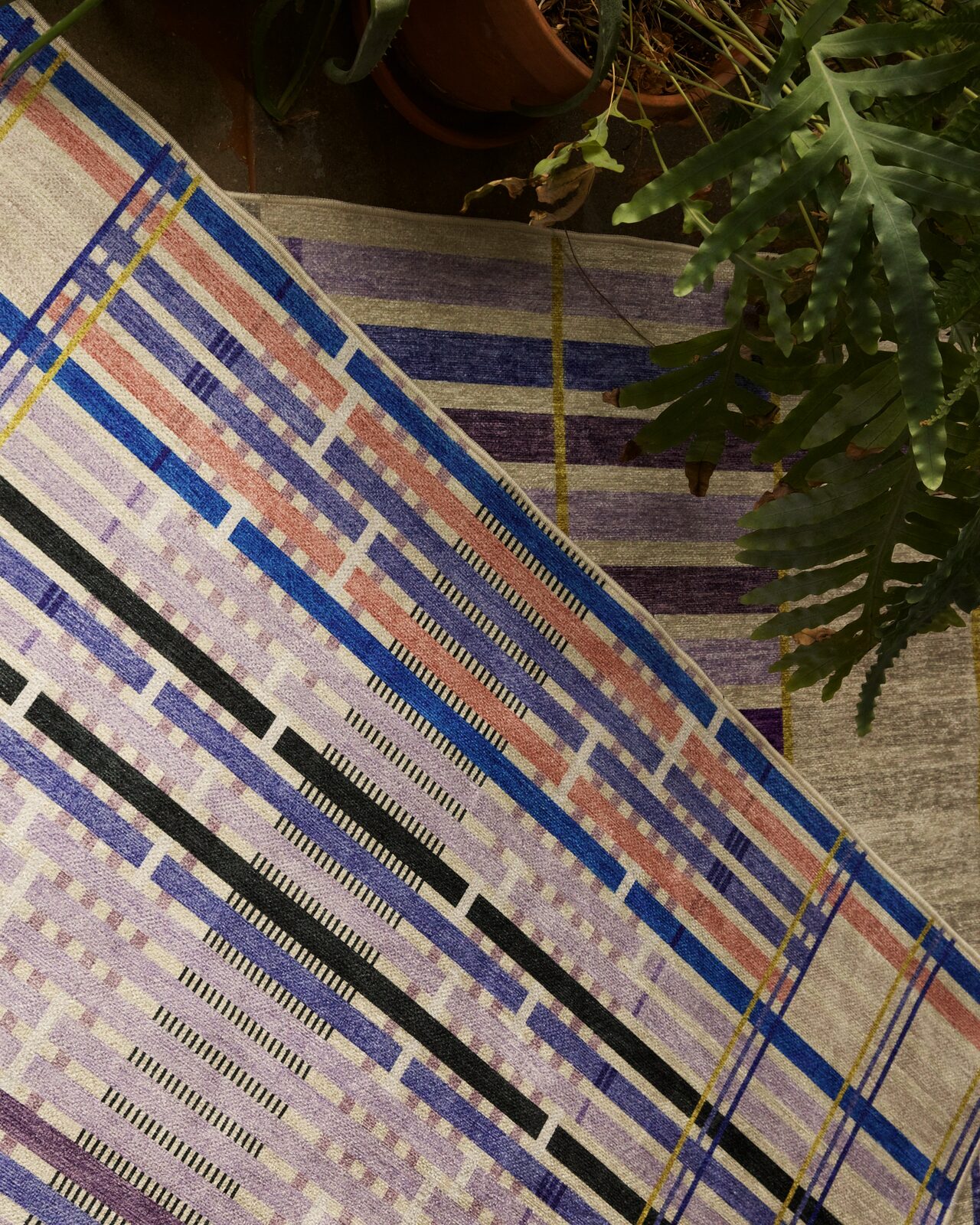
Same data. Two colorways.
The Lavender colorway, unrolled over Multi.
Multi
Bright — blues, reds, and ochre on warm stone.
Lavender
Quiet — lavenders and grays for a calmer room.
Questions, answered
What is Unraveling Stories?+
A flat-weave area rug whose pattern is a dataset. Giorgia Lupi and her team at Pentagram mapped 59 endangered textile-making traditions — drawn from UNESCO's record of intangible cultural heritage — into a single woven design, where every color, line, and band carries meaning.
How do I care for it?+
Vacuum gently with suction only. For spills, lift away excess and blot with a clean, dry cloth. Contact us before wet or deep cleaning so we can confirm the right method for this rug.
What sizes and colorways are there?+
Multi and Lavender tell the same story. Current sizes, availability, and prices appear in the shop section above.
What is it made of?+
Review Product Details for the current face, backing, pile, and construction of the rug you choose. Compare its listed profile with your clearance, and confirm material compatibility with your flooring manufacturer's guidance.
What if it doesn't work in my room?+
Ready-to-ship rugs can be returned within 14 days if they're unused and in original condition — no hoops. Free ground shipping in the lower 48 states and Washington, DC.
Who is Giorgia Lupi?+
An Italian-born, Brooklyn-based information designer and a partner at the design studio Pentagram. She has spent her career turning data into things people can feel — work held in MoMA's permanent collection and published on the front page of The New York Times. Her philosophy, data humanism, starts from one idea: data is always made by people, about people.
What do the colors mean?+
They are a code, not decoration. Each band is one craft; its color names the threat to it, how far it reaches across the rug marks how endangered it is, thin lines count its age, shaded lines mark its fiber, and white bars place it on the map. The printed key that comes with every rug walks you through it.
Are these really endangered crafts?+
Yes. The 59 traditions are real textile-making techniques recognized as at-risk — from Azerbaijani carpet weaving to an Andean cross-looping older than the Inca. The point of the rug is to keep their stories visible.
The people behind the rug
Design
Giorgia Lupi, Partner — Pentagram
Design team
Ed Ryan, Phillip Cox, Madeleine Garner — Pentagram
Ships with the printed story tag · Free ground shipping in the lower 48 & DC · 14-day returns · care guide below.
Care and cleaning
Stain resistant
Non-slip backing
Machine washable in this size
1
Vacuum regularly
Use your regular vacuum setting. A beater bar is fine.
2
Blot spills promptly
Lift away any solids, then blot with a clean cloth. Do not rub.
3
Spot clean
Use a small amount of mild household detergent and water. Test a hidden area first, then blot. Do not soak the rug or backing.
4
Machine washable in this size
Machine wash cold in a washer without a center agitator. For this size, a commercial-capacity washer is recommended. Air dry completely before putting the rug back in place.
“Thank you for going the extra mile to ship my order to Malaysia. Despite encountering an obstacle, the Well Woven team promptly resolved it. I was delighted to receive the parcel in perfect condition.”